
Moisture ants (Lasius spp.)
Moisture ants can be a sign of hidden water damage—learn about them and how to get rid of moisture ants for good.
Updated: June 27, 2025
Moisture ants (Lasius spp.), also known as water ants, thrive in damp, decaying wood. Their presence indoors is often a sign of hidden moisture issues that could be weakening your home. These ants don’t just live in moisture-rich environments. They often make the problem worse by tunneling through already-weakened wood. Spotting them indoors could indicate a larger moisture issue that needs attention. If you’re dealing with ants and moisture, here’s what you need to know.
Jump to section:
Moisture ant behavior and habitat
Moisture ant life cycle and reproduction
How to get rid of moisture ants
Moisture ant identification
Moisture ants are a type of ant that thrives in damp environments and can be mistaken for other household ant species. Here’s how to identify them:
- Size: These ants are small, measuring about one-eighth of an inch in length.
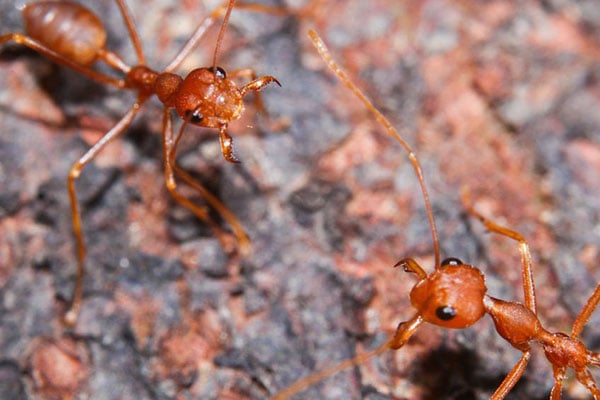
- Color: Moisture ants are typically dark brown to yellowish-brown, making them resemble other common household ants.
- Body shape: Like most ants, they have segmented bodies with a well-defined waist and long antennae. Their legs are relatively slender compared to other species.
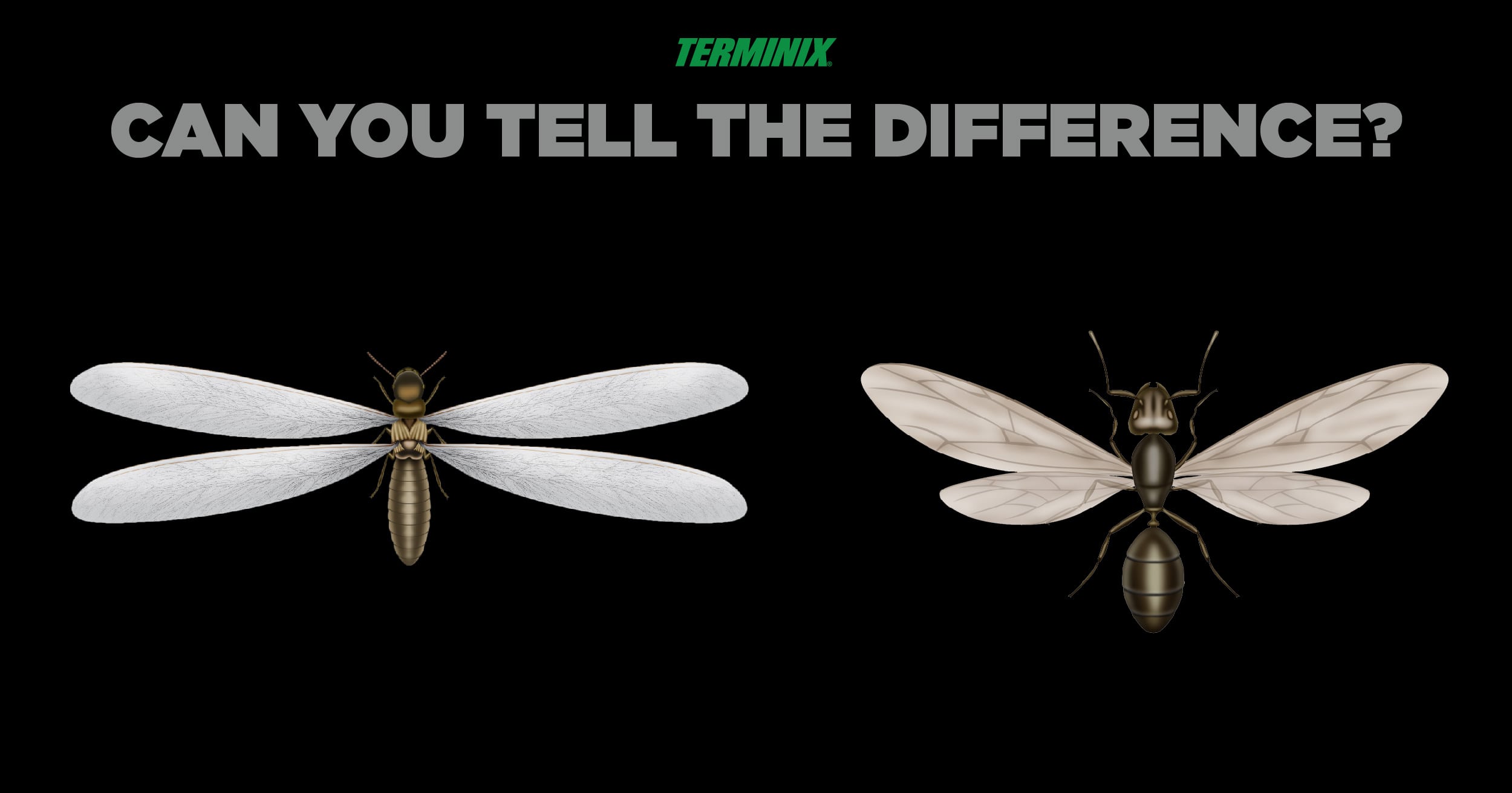
- Wings: Reproductive moisture ants, also known as swarmers, develop wings and emerge during mating season, often appearing in late summer or early fall.
- Scent: When crushed, moisture ants release a distinctive, citrus-like odor, which can help differentiate them from other types of ants.
Being able to recognize water ants can help stop or prevent structural damage and eliminate moisture issues before they worsen.

Moisture ants vs. sugar ants
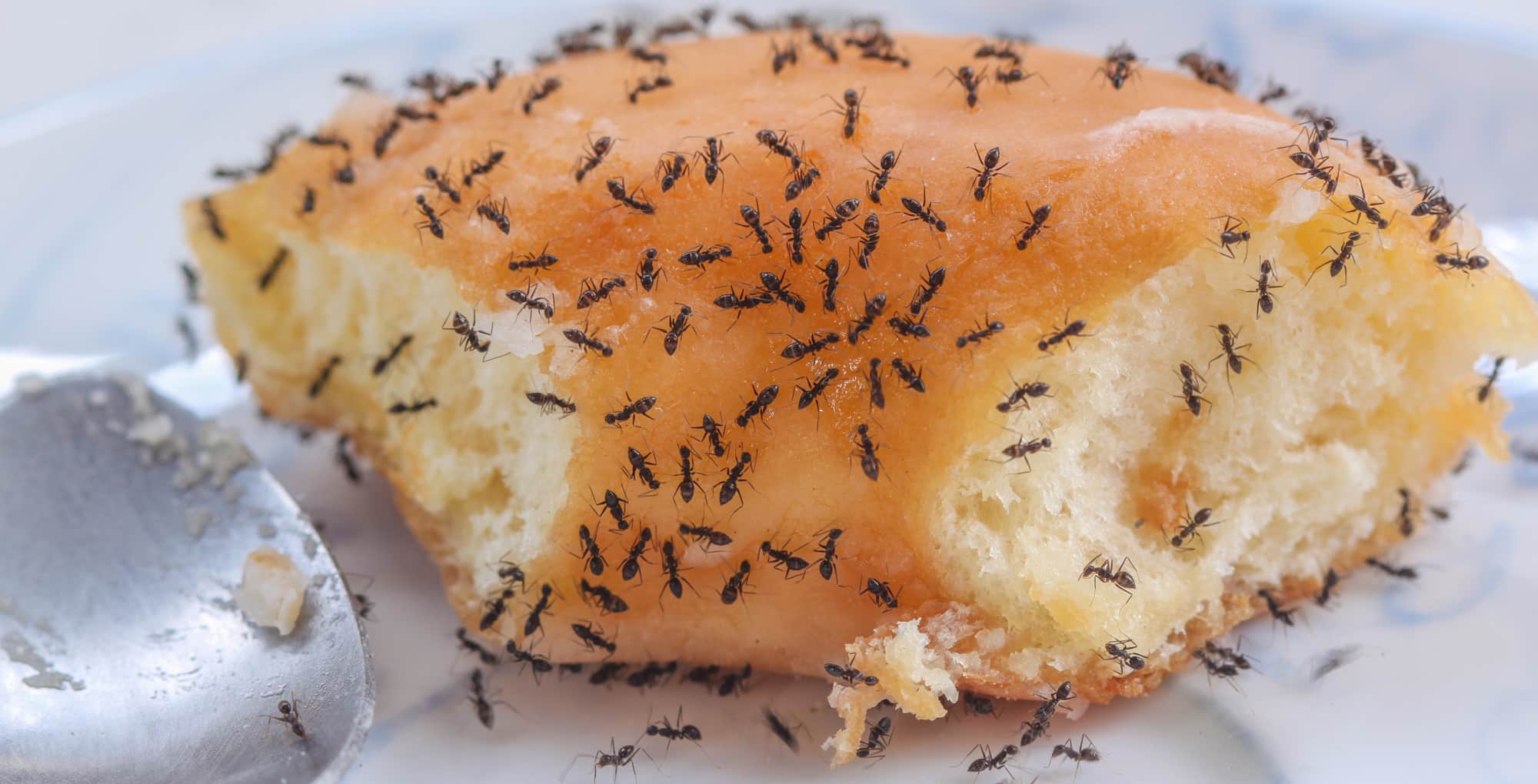
Although moisture ants and sugar ants are similar in size, they have distinct differences in appearance and behavior. Moisture ants are typically dark brown to yellowish-brown, while sugar ants tend to be lighter in color, often reddish or orange. One key distinction is their habitat. Moisture ants are drawn to damp, decaying wood, while sugar ants prefer dry areas and are primarily found near food sources like sweets and crumbs.
Another major difference is their impact on structures. Moisture ants can tunnel through soft, rotting wood, worsening existing water damage in homes. Sugar ants, on the other hand, do not damage wood and are mainly a nuisance when they invade kitchens and pantries in search of food. If you see ants near leaks or damaged wood, you are likely dealing with moisture ants, whereas ants found near sugary spills are more likely sugar ants.
Moisture ant behavior and habitat
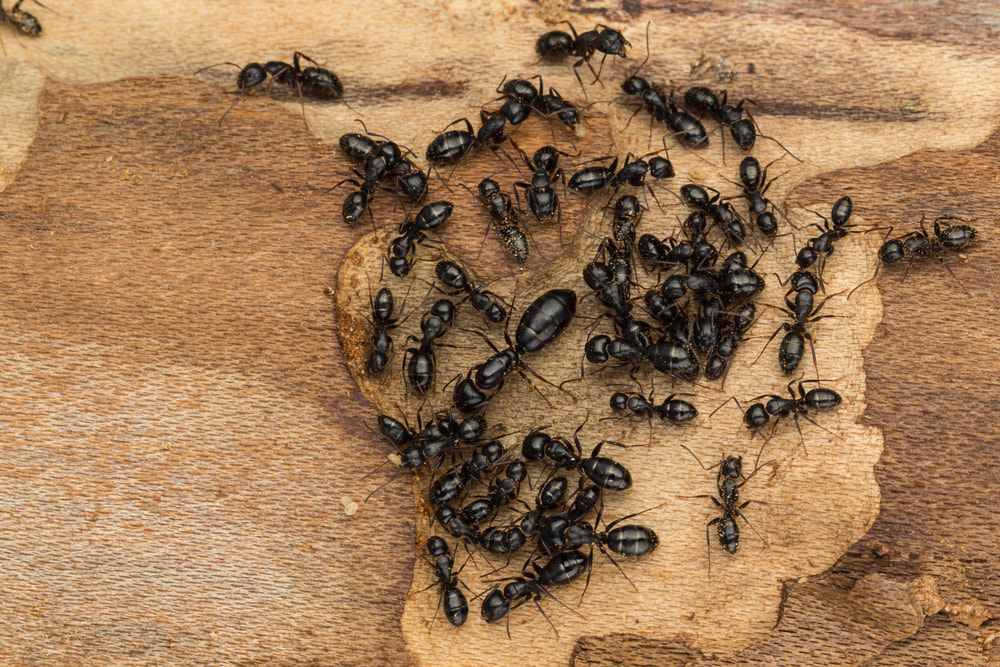
Moisture ants are named for their strong preference for damp environments, often appearing in homes with leaks or water-damaged wood. Their behavior sets them apart from other ant species, as they don’t just seek moisture—they build their nests around it. These ants often construct "carton" nests, which are made from a combination of soil, chewed wood, and ant secretions, giving them a hard, clumpy appearance. These nests are frequently found near plumbing, wooden sill plates, or wall studs.
- Preferred environments: Moisture ants thrive in damp, decaying wood and high-humidity areas. Outdoors, they nest in soil, rotting logs, and under rocks. If conditions allow, they may relocate indoors, particularly in bathrooms, kitchens, and basements with leaks.
- Geographic range: While moisture ants are most commonly found in the Pacific Northwest, including Washington and Oregon, they are also present in the North and Midwest regions of the U.S.
- Invasiveness: These ants are not considered aggressive invaders like carpenter ants or termites, but they can worsen existing moisture damage by tunneling through rotting wood and creating nests.
- Diet and eating habits: Moisture ants’ diet consists mainly of honeydew produced by aphids, which are small sap-sucking insects, along with other sugary substances. They may also consume proteins and decaying organic matter.
- Swarming season: These ants swarm in late summer to early fall, during which reproductive members leave the colony to mate and establish new nests.
- Colony structure: Like most ants, water ants have a social structure that includes a queen, worker ants, and reproductive swarmers. The workers are responsible for foraging, maintaining the nest, and caring for the brood, while the queen focuses on reproduction.
Although moisture ants do not directly destroy structurally sound wood, they burrow through water-damaged wood, increasing decay, making them a key indicator of hidden moisture problems in homes.
Moisture ant life cycle and reproduction
The moisture ant life cycle follows the typical pattern of most ant species, consisting of four stages: egg, larva, pupa, and adult. However, their preference for damp environments influences their nesting habits and reproductive success.
- Lifespan: Worker moisture ants typically live for a few months, while queens can survive for several years, continuously laying eggs to sustain the colony.
- Reproduction rate: Queens lay eggs year-round, but reproductive activity increases during warmer months. Eggs hatch within a few weeks, and larvae progress to pupae before maturing into adult ants.
- Swarming and colony growth: In late summer to early fall, reproductive ants—winged males and females—leave the nest in large swarms to mate and establish new colonies. A single queen can produce thousands of offspring over her lifetime, allowing populations to expand quickly if conditions are ideal.
Since they reproduce steadily and relocate when moisture is present, moisture ants can be difficult to eliminate without addressing the water damage that supports their colony growth.
Signs of moisture ants
What attracts ants to your home often depends on the kind of ant and the environment it thrives in. Spotting a few moisture ants may not seem like a big problem, but their presence often signals hidden moisture issues in your home. These ants don’t just seek out damp areas; they build their nests within them, increasing existing wood decay.
- Signs of an ant problem: Seeing small, yellowish-brown ants near water-damaged wood, plumbing, or basements can indicate an infestation. You may also notice soft, crumbling wood, particularly around windowsills, door frames, and wall voids.
- What attracts them to your home? Moisture ants are attracted to damp environments and decaying wood. Ants and moisture go hand in hand, as leaky pipes, poor ventilation, and high humidity create the perfect conditions for them to settle in.
- How do they get inside? Moisture ants enter homes through cracks in foundations, gaps around windows and doors, or damaged siding. They often follow plumbing lines or find access points near humid areas.
- Where are they found? These ants are typically found in basements, crawl spaces, under sinks, and near water-damaged wooden structures. Outdoors, they nest in rotting logs, mulch, and damp soil.
Eliminating moisture ants requires more than just removing the colony. Their presence is often a sign of an underlying moisture issue, so addressing leaks, water damage, and humidity problems is key to preventing future infestations. By fixing these conditions, you can make your home less inviting to these pests.
Are moisture ants dangerous?
While moisture ants are not harmful to humans or pets, their presence can still be a cause for concern. Luckily, you’re not likely to get an ant bite from a moisture ant because they do not sting, making them less of a direct threat compared to more aggressive ant species. However, their ability to establish colonies in water-damaged wood can contribute to structural deterioration over time.
Unlike carpenter ants, moisture ants do not actively destroy healthy wood. Instead, they take advantage of softened, decaying materials, tunneling through rotting wood to build their nests. While they don’t cause the initial damage, their activity can increase existing moisture issues and weaken affected structures.
Since these ants are drawn to damp environments, their presence indoors is often a warning sign of underlying water problems. Addressing both the infestation and the moisture source is key to preventing long-term damage.
How to get rid of moisture ants
Moisture ants can be tricky to eliminate, especially when they swarm. During swarming season, winged reproductive ants leave their colony to start new nests, making infestations harder to control. If you notice these ants indoors, acting quickly is essential to prevent them from spreading further.
When you first spot water ants, identify the source of the infestation and take quick action to prevent it from spreading.
- Identify the source: Look for signs of moisture damage, such as softwood, leaks, or condensation, as this is likely where the ants are nesting.
- Seal entry points: Close gaps around windows, doors, and foundations to prevent new ants from entering.
- Remove attractants: Fix leaks, dry out damp areas, and eliminate wood rot to make your home less appealing to these pests.
Keeping moisture ants out long-term requires reducing excess moisture, sealing entry points, and maintaining a dry environment.
- Reduce moisture: Look for signs of moisture damage, such as softwood, leaks, or condensation, as this is likely where the ants are nesting.
- Maintain outdoor areas: Keep mulch, leaf litter, and rotting wood away from your home's foundation to discourage nesting.
- Regular inspections: Check for leaks or signs of wood decay regularly, as moisture problems can attract not just ants but other pests.
DIY vs Professional Ant Control
While DIY ant control methods like bait stations and sprays may help reduce moisture ant populations, they often don’t address the root problem. The best baits for moisture ants contain sweet or carbohydrate-rich attractants, but without fixing moisture issues, infestations will likely persist. Ants and moisture go hand in hand, meaning excess moisture must be eliminated to prevent them from coming back. Professional ant control services, like those offered by Terminix, provide targeted treatments while also identifying and addressing the conditions attracting these pests. In cases where moisture damage is extensive, professional intervention is the most effective long-term solution.
By combining prevention efforts with expert treatment, you can eliminate water ants and protect your home from future infestations.