Whats Buzzing
What Do Flea Bites Look Like? Signs & Symptoms
Content Updated: October 13, 2025
Learn more about flea bites and how you can deal with and prevent them.
Key takeaways
- Flea bites on humans often cause red, itchy bumps at the bite site.
- Bites from fleas tend to be below the knees on humans, but petting an animal with fleas can also cause bites around the hands and arms.
- Flea bites are itchy due to the allergic reactions caused by the saliva that fleas leave behind after biting.
- The best way to prevent flea bites is to ensure fleas don’t make a place for themselves within your home.
Jump to section:
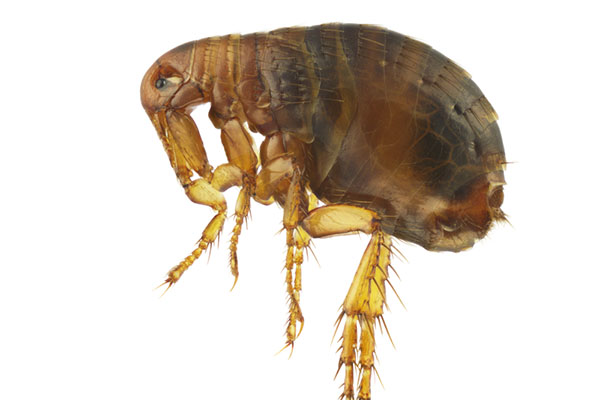
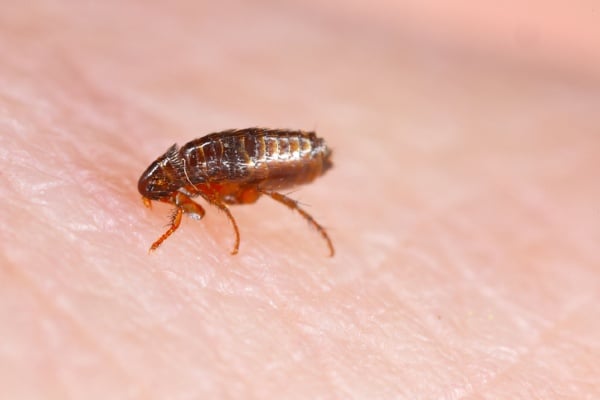
Fleas are small, wingless parasites that depend on the blood of other animals for nutrition—humans included. These pests are capable of leaps over 200 times their body length, so it’s no surprise that they can jump onto you with ease. The most common type of fleas are cat fleas, but human fleas exist, too—and both are more than willing to bite you.
Their tendency to switch from feeding on hosts like rats or dogs to feeding on humans has made them the perpetrators of the spread of numerous diseases and plagues throughout history, so it’s worth recognizing what a flea bite on a human is like. So, how do you know if you’ve been bitten by a flea?
What do flea bites look like?
Flea bites can look different from person to person, but here’s what you can keep an eye out for:
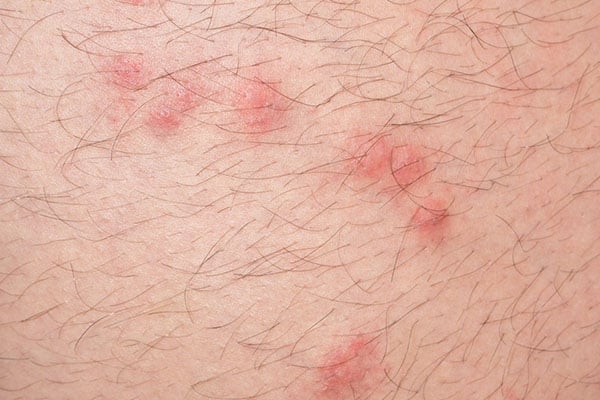
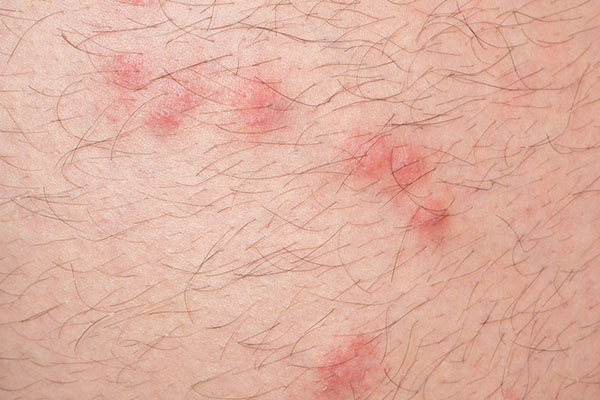
- Bumps on skin: Red, round bumps on the skin can form at the bite site, and they’re typically surrounded by a halo.
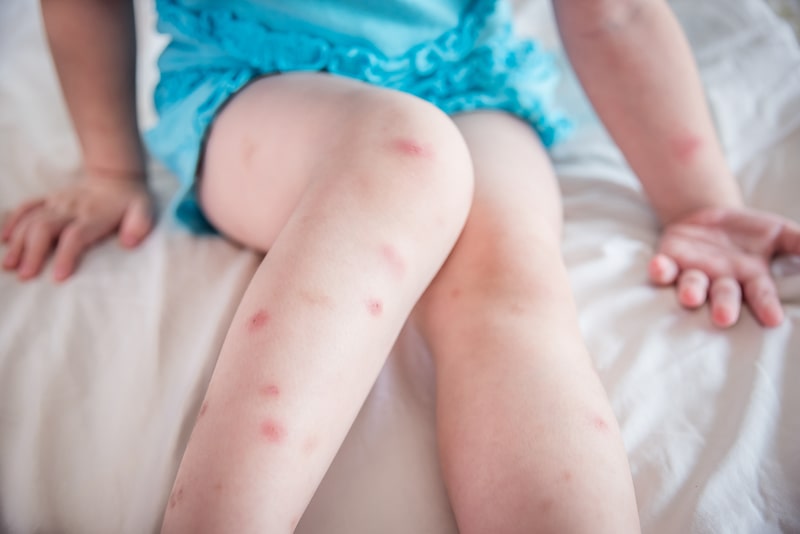
- Location: Bites on humans are typically below the knees or above the sock line, but it’s possible for the arms and hands to become a target after petting an animal with fleas.
- Itchiness: The severity of the itch depends on the person being bitten—some may be immune and experience no symptoms, while others might develop hives or rashes.
What can be mistaken for flea bites?
Fleas aren’t the only insects that bite humans. Mosquitoes, bed bugs, and lice are all parasitic pests looking to feed on people.
Mosquito bites are especially similar to flea bites, as they produce similar reactions in most people: red, itchy bumps at the bite site. If you’re unsure of which pest is biting, take note of the following:
- How frequently the bites occur
- When the bites occur, and at what times of day or night
- Evidence of certain bugs within your surroundings
If the bites persist, a pest management professional can identify the type of infestation you might have. If you become concerned, you should seek medical advice.
Why do flea bites itch so much?
Flea bites itch due to allergic reactions. When a flea begins to feed, it releases saliva containing an anticoagulant into your bloodstream. This increases your flow of blood, making it easier for the flea to feed. But, when the flea is done, trace amounts of this saliva are left behind, and your body processes these leftovers as a foreign substance. In response, your body sends a warning signal to your immune system, triggering it to start producing histamine. The release of histamine causes the bite to swell, resulting in the small red bump that is common with flea bites.
Individuals can have varying levels of response to a bite, depending on the severity of their allergic reaction. This process is what happens when mosquitoes bite, too, which is part of the reason why their bites look and feel similar.
What happens if you scratch a flea bite?
As tempting as it can be to relieve the itch with some scratching, it’s not usually the best idea. When you scratch a flea bite, you might trigger a scratch-itch cycle: a pattern of scratching that irritates the skin and makes the nerves in the area more sensitive, which, in turn, increases the urge to scratch again.
This can lead to further inflammation and delayed healing. Worse, you run the risk of secondary infections—if you break the skin while scratching, bacteria from your nails can enter the wound and lead to an infection that can leave scars and take weeks to heal.
Instead, consider alternative relief methods, such as:
- Moisturizing the area to prevent dry skin from worsening the itchy sensation.
- Using anti-itch creams or antihistamines to alleviate the itching without scratching.
- Washing the bite area with soap and water to reduce the risk of infection.
What causes an allergic reaction?
An allergic reaction occurs when your body has an exaggerated response to a foreign substance. In the case of flea bites, the saliva that fleas use as an anticoagulant is what triggers this response.
In hypersensitive individuals, the body processes the saliva as toxic and increases the amount of histamine released, causing rashes or hives. Animals, such as cats or dogs, can also have an allergic reaction.
Everyone responds differently to insect bites, and some people can build up a tolerance to the saliva. As it becomes less foreign to the body, there is a lower chance of an allergic reaction. Since fleas bite humans less frequently than mosquitoes do, flea bites can be seen as itchier and more severe.
How can I prevent flea bites?
The best way to protect yourself from flea bites is to prevent fleas from establishing themselves within your home. By taking preventative measures, you can reduce the risk of flea bites and protect yourself and your family. Consider the following measures:
- Maintaining a clean home
- Consulting with your vet about flea prevention and control methods
- Applying flea repellents when outdoors
- Maintaining your yard
If your home is facing a serious flea problem, Terminix can help. Our pest control services offer reliable and targeted treatment plans designed to best suit your specific situation and needs.