Bug Facts
Do carpenter bees sting?
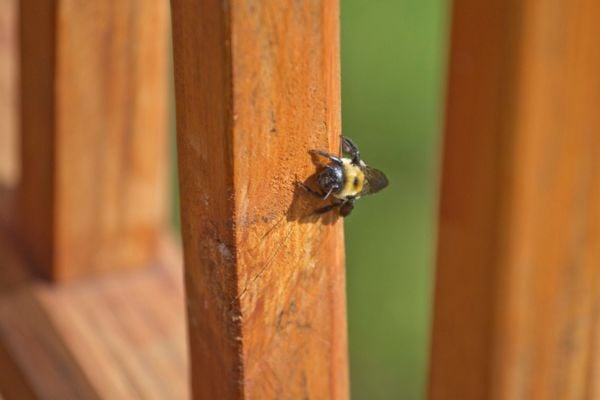
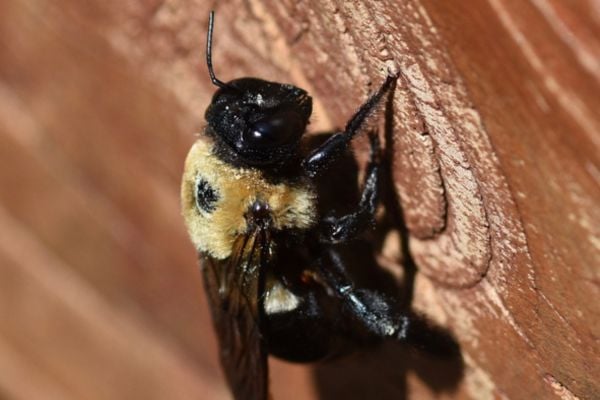
Have you noticed what appears to be bumble bees buzzing around your home's eaves or wood? This can be confusing, especially if you can't locate their hive. Chances are, you're seeing carpenter bees, which are often mistaken for bumble bees due to their similar size and color. Carpenter bees, also referred to as wood bees, are typically about one inch long and can be solid black or black and yellow. Unlike the fuzzy bumble bees, carpenter bees have hairless, shiny black abdomens. So, do carpenter bees sting, and are carpenter bees dangerous? Read on for more information and FAQs.
Content Updated: August 8, 2025
Can carpenter bees sting?
The short answer is yes.
Female carpenter bees can sting you, although it’s very unlikely they will unless you’re handling them or poking your fingers into their burrows. They can sting multiple times, unlike some other insects whose stingers get stuck in the skin. Their stings can be painful, but many people find them less painful than a honeybee or wasp sting.
Male carpenter bees are not equipped with stingers. However, they do hover outside the burrow exit and guard the nest. If you get too close, the male may buzz and fly at you aggressively. Because these bees are fairly large, this is usually enough to drive people away.
Carpenter bee sting treatment
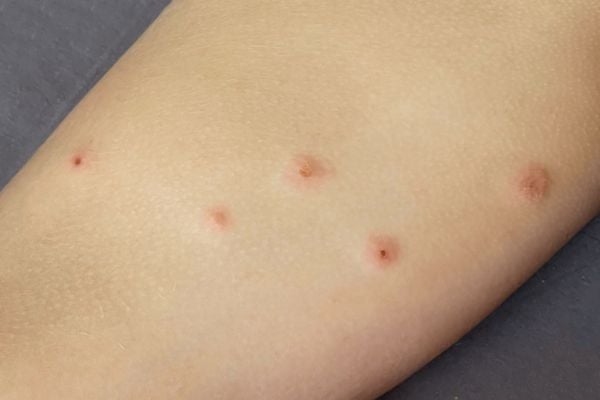
Typically, carpenter bee stings cause pain at the site of the sting, along with swelling and redness. Unlike other bee stings, carpenter bees possess a smooth stinger and can sting multiple times without dying. This means that while the pain may initially be similar, carpenter bee stings can be less intense than those of other bees.
To treat a carpenter bee sting, carefully clean the area with soap and water to prevent infection. Apply a cold compress to help reduce swelling and relieve pain, and over-the-counter pain relievers can be useful for discomfort. If symptoms worsen or if there are signs of a significant allergic reaction, such as difficulty breathing, swelling of the face or throat, it’s important to seek medical attention immediately.
Are carpenter bees dangerous? Should you worry about carpenter bees?
Carpenter bees are not typically considered dangerous to humans; they are generally docile and unlikely to sting unless provoked. As for their aggressiveness, carpenter bees are usually more of a nuisance than a serious threat. However, the potential for stinging does exist, especially if someone inadvertently disturbs their nests. It’s important to be cautious around these bees, particularly during their active seasons.
One of the main concerns with carpenter bees is the property damage they can cause. Unlike honey bees, carpenter bees do not create hives; instead, they bore into wood to create nesting sites. Over time, this tunneling can weaken the structural integrity of wooden surfaces, leading to costly repairs. Common areas where carpenter bees tend to target include porches, eaves, decks, and other wooden structures.
Understanding carpenter bee behavior
Carpenter bees' distinct behaviors and habits can help you identify their presence. You’ll typically notice them flying around wooden structures of your home or frequenting wood piles and sheds. Signs of their activity include the presence of perfectly round holes, which serve as entrances to their burrows, and small piles of sawdust near their nesting tunnels.
Carpenter bees are solitary insects, meaning they typically do not live in large colonies like honey bees or bumble bees. Instead, a female carpenter bee will create a nest by boring into wood, where she lays her eggs and provisions the larvae with a special substance known as "bee bread," made from a blend of pollen and regurgitated nectar. More than one female bee may use the same tunnel to lay eggs. In addition to their nesting behaviors, carpenter bees play a crucial role in the environment as pollinators. While they are often mistaken for destructive pests, they contribute significantly to the pollination of flowers and crops.
You might also notice that carpenter bees seem to “stare” at you when you approach. This behavior is likely due to their curious nature and territorial instincts. Male carpenter bees often defend their nesting sites and may hover nearby to inspect potential intruders. Despite their seemingly aggressive demeanor, it’s important to remember that male carpenter bees do not possess stingers, making them less of a threat than they appear.
Managing carpenter bee infestations
Carpenter bees can be a nuisance, but with the right approach, it’s possible to coexist. If you already have an infestation, consider using non-toxic methods for removal, such as filling their holes with caulk or wood filler after the bees have vacated, to prevent future nesting. Planting flowering plants away from your home can also help lure carpenter bees away from your wooden structures.
There are several things you should avoid when dealing with carpenter bees. First, don’t attempt to kill them with harsh chemicals, as this can be harmful to beneficial pollinators and the environment. Also, avoid sealing off their entry holes before confirming that the bees have left, as this can trap them inside and lead to more issues. It’s also important not to provoke them, as carpenter bees can become aggressive when threatened, leading to potential carpenter bee stings.
How can I try to control and prevent carpenter bees?
As pollinators, carpenter bees are very beneficial to the environment, so it’s always best to leave them alone if you can. There are a few steps you can take to help prevent carpenter bees:
- Paint or stain the surface of the exposed wood on your home. (Painting is better.) Carpenter bees prefer untreated wood. Note: It’s a good idea to treat your wood with a paint or varnish that creates a slick surface that carpenter bees have trouble latching onto.
- Keep garage doors and other openings shut during nesting season in the spring.
- Eliminate attractants close to your home by covering sugary drinks and fruits when outdoors and keeping trash cans sealed and away from the house.
If carpenter bees have infested your home, Terminix can help. Our professional bee control services can remove hives without harming the bees. Contact your local Terminix branch for bee removal services.