Bug Facts
Can Silverfish Live or Swim in Water?
Their name might be misleading, because silverfish do not actually live or swim in water. One thing that is true though is that they are one of the most common household pests around.
Content Updated: December 3rd, 2025
Key Takeaways:
Silverfish can’t swim or survive underwater because their bodies aren’t built for floating, breathing, or moving in water.
Silverfish can be found in bathrooms, basements, laundry rooms, and near sinks because they rely on moisture and humidity to survive.
Silverfish are mostly a nuisance, not a health threat, but can damage books, paper, wallpaper, cardboard, and fabrics.
To help prevent silverfish indoors, reduce moisture, seal entry points, store food properly, and clean regularly.
Jump to section:
Can silverfish swim or survive in water? Despite their name, silverfish don’t actually live or swim in water. However, they’re drawn to damp, humid environments, making bathrooms, basements, and kitchens some of their favorite hiding spots. These small, wingless insects get their name from their silvery sheen and fish-like wriggling movement as they scurry across floors and walls. Silverfish don’t bite or spread disease, but they are one of the most common household pests and can be a sign of excess moisture in your home. Understanding what attracts silverfish is the first step toward keeping them out of your home.
Why can’t silverfish swim?
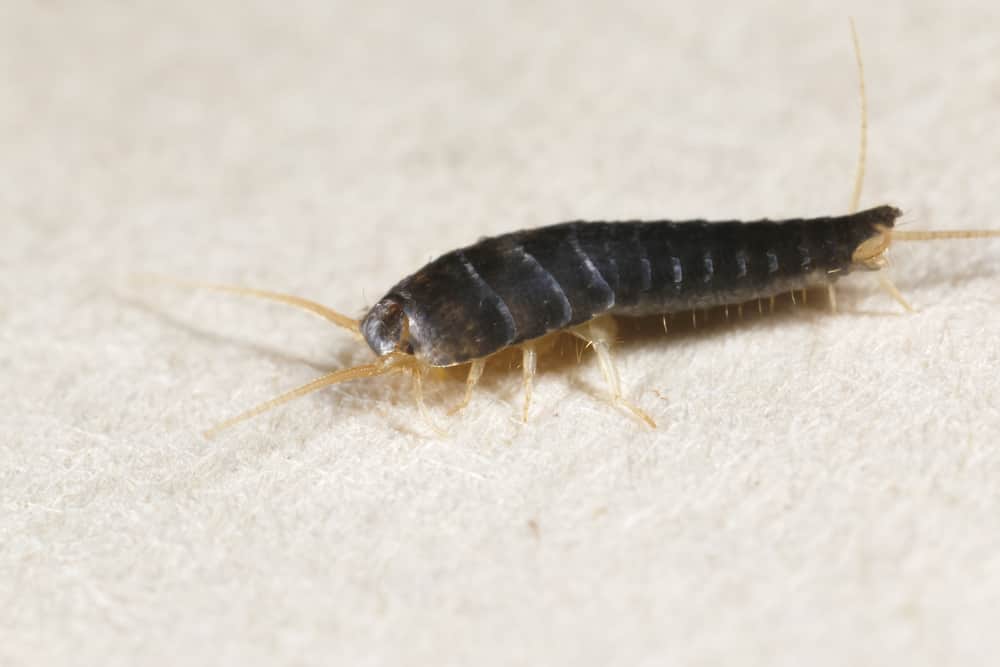
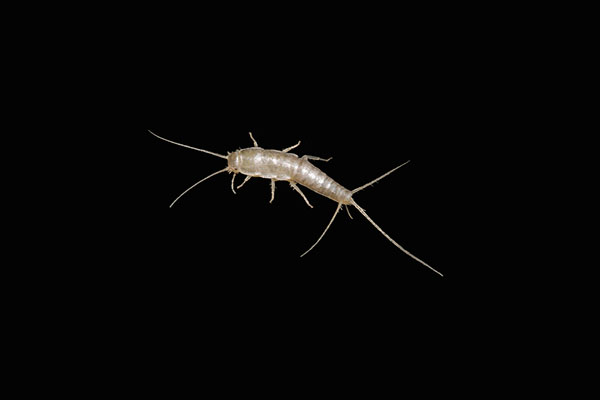
Can silverfish swim? Silverfish can’t swim because their bodies aren’t built to survive in water. These insects have a flat, elongated body, delicate scales, and bristle-like appendages at the tail end that help them move with a quick, wiggling motion on dry surfaces.
Can silverfish survive in water? None of these features allow them to float or propel themselves in water. They also do not have gills or waterproof exoskeletons, meaning they can’t breathe or protect themselves when submerged. Silverfish cannot survive underwater and will quickly drown if trapped in standing water.
Why do silverfish live near water?
Silverfish live near water sources because they rely on moisture and humidity to survive. Their bodies lose water quickly, and they can only thrive in environments that stay consistently damp. That’s why they’re often found in bathrooms, basements, laundry rooms, sinks, and bathtubs. Silverfish don’t seek out the water itself, but they’re drawn to the humidity and condensation that collect in these water-prone places.
While these insects can be seen in bathrooms, they do not live in drains. If you see silverfish in drains, it’s because they are seeking out the moisture in these areas and may crawl into a bathtub or sink drain to find it. Once there, they can’t escape because they can’t climb up the slick surfaces, and they cannot fly.
Related > What Bugs Can Live in Your Drains?
Are silverfish dangerous?
Generally, silverfish are more of a nuisance than a danger. They don’t bite, aren’t venomous, and are not known to spread diseases, so they pose very little risk to your health. However, their shed skins and scales can trigger allergies in some sensitive individuals.
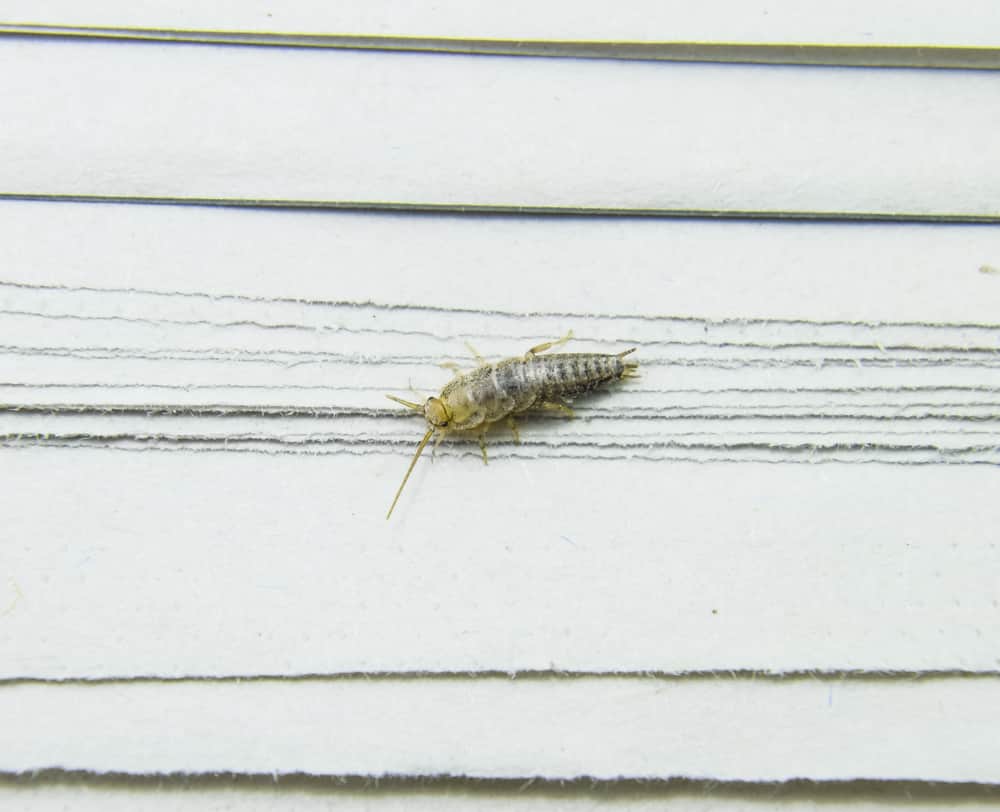
The bigger concern is the damage they can cause around your home. Because they feed on starches, sugars, and adhesives, silverfish may chew small holes in paper, books, wallpaper, cardboard, and stored clothing. If you notice unexplained tears, yellowing patches, or damage to bookbindings or paper materials, silverfish may be the culprit.
Tips to Help Prevent Silverfish in Your Home
While they’re not harmful to your health, silverfish are still unwelcome guests, and preventing them starts with reducing the conditions they’re attracted to. Keep these tips in mind to help get rid of silverfish and keep them out of your home:
Reduce moisture – Fix leaky faucets or pipes, use ventilation fans when showering, and consider a dehumidifier if your home has persistent humidity issues.
Eliminate food sources – Store flour, cereal, grains, and pet food in airtight containers to limit access to the starches silverfish feed on.
Seal openings – Use caulk or other sealants to close gaps under baseboards, behind trim, and around windows and doors to block potential entry points.
Vacuum and dust regularly – Regular cleaning can help remove food sources, such as hair and crumbs, while also helping to eliminate any insects or eggs.
If you’re spotting silverfish in your home, or want to help prevent an infestation before it starts, professional pest control is the most effective solution. DIY methods often fall short, but Terminix offers targeted silverfish control services to help protect your home. Our experts can help determine what’s attracting silverfish to your home, how they’re getting indoors, and what the best treatment method is for your situation.