DIY
Are there squirrel repellent plants?
Content Updated: September 3, 2025
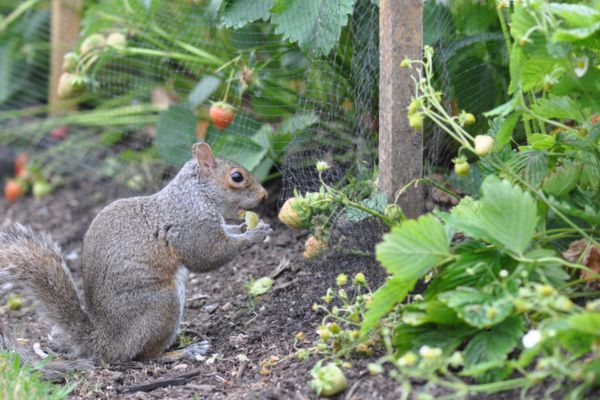
Squirrels can be a real nuisance in the yard, especially if you’re trying to grow a garden. These curious animals often dig up plants, snack on fruits and vegetables, and undo your hard work. While squirrels aren’t very picky eaters, some plants are known to be less appealing to them.
Gardeners often look for natural ways to deter squirrels, including using certain plants or plant-based oils. While more research is needed to fully understand squirrel repellent plants, some options may help keep squirrels away without the need for harsh chemicals.
What plants and scents deter squirrels?
Some gardeners turn to plants that repel squirrels or unappetizing plants to help discourage them from digging and foraging. While they’re not guaranteed to work, the following plants are commonly thought to be less appealing to squirrels:
- Alliums – Ornamental varieties, garlic, onions, and scallions give off a pungent smell that squirrels dislike.
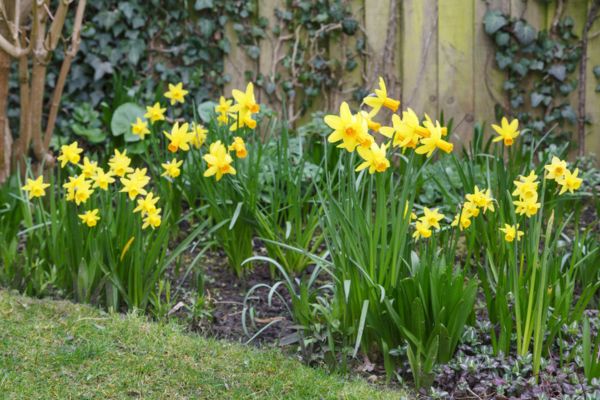
- Daffodils – These toxic, bitter-tasting flowers have a strong scent that may help repel squirrels.
- Fritillaries – Members of the lily family that emit a strong odor said to deter squirrels and other rodents.
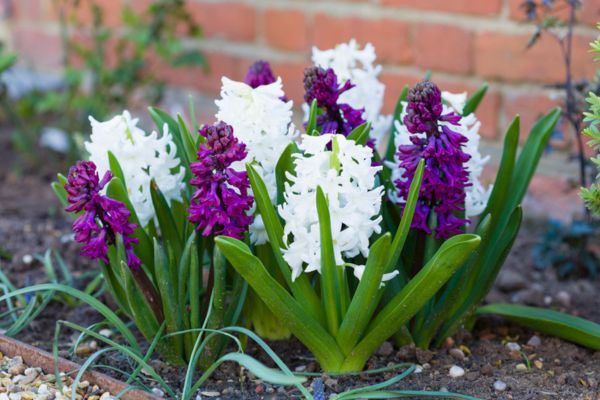
- Hyacinths – Their intense fragrance and bitter compounds may make them unappealing to squirrels.
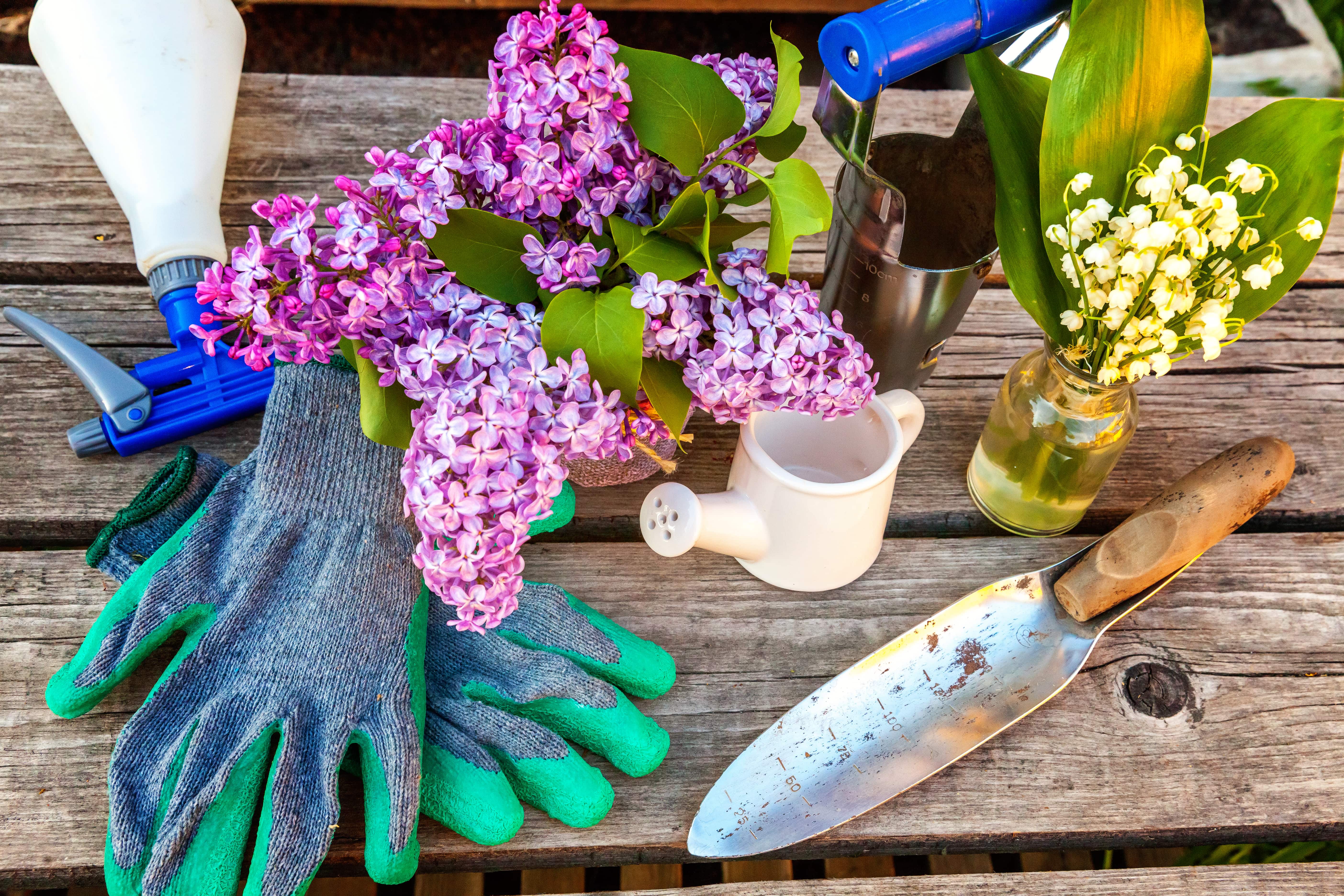
- Lily-of-the-Valley – Toxic and fragrant, this plant is typically avoided by squirrels.
- Geraniums – Their scent and taste can help keep squirrels away from nearby plants.
- Mint – The strong, sharp smell of mint is often unpleasant to squirrels.
- Narcissus – Like daffodils, these bulbs are toxic and aromatic, making them unappealing to squirrels.
In addition to certain squirrel repellent plants, some scents and natural substances are also known to deter squirrels due to their strong or irritating qualities:
- Capsaicin (found in hot peppers): Squirrels dislike the intense heat and irritation caused by capsaicin, which is found in cayenne pepper and other hot spices.
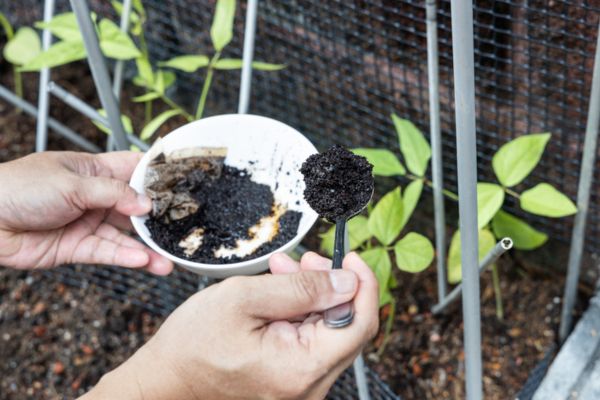
- Coffee grounds: Used coffee grounds have a strong smell that may keep squirrels away from gardens and plants.
- Peppermint oil: Soaking cotton balls in peppermint oil and placing them around your garden can sometimes discourage them.
- Vinegar: The sharp odor of white or apple cider vinegar can temporarily repel squirrels.
Keep in mind that no plant is completely squirrel-proof. Squirrels are opportunistic and may still forage if food is scarce or if they're determined. Using squirrel repellent plants in combination with other deterrents can be more effective.
How to best use plants to repel squirrels
Using squirrel repellent plants can be a natural way to help protect your garden or yard, but there are other ways to maximize their effectiveness. Plant strong-scented varieties like mint, daffodils, or hyacinths around garden edges, near bulbs, or at entry points where squirrels dig or climb. Mix these plants in with flowers or vegetables that squirrels usually go after to help keep them away.
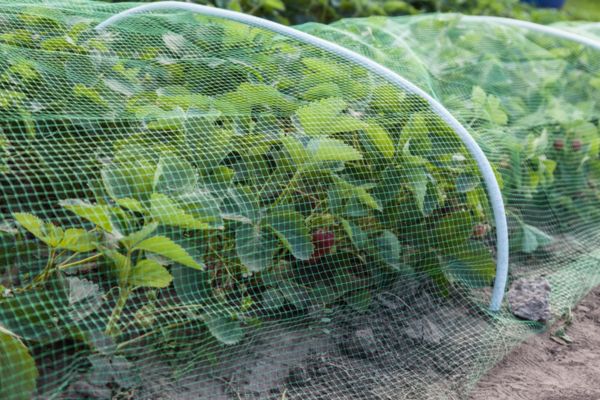
Combine these plants that squirrels hate with other deterrents to enhance the protection they offer. Physical barriers like mesh netting, chicken wire, or bulb cages can help prevent squirrels from digging, while motion-activated sprinklers and reflective tape can add an extra layer of defense.
Get help from Terminix®
While plants that repel squirrels can sometimes help, they’re not always enough. Our experts understand how to safely and humanely protect your home from squirrels. They’ll begin by identifying entry points and implementing effective control methods to help protect your property. Schedule your free wildlife inspection today to get started.
.jpg?rev=e46de349752d43459060ca1a54e10e94)