How to remove and prevent flying squirrels in your attic
Key Takeaways:
- Flying squirrels in the attic are most common in winter when they seek shelter from the cold.
- Signs of flying squirrels include rustling, chirping sounds, scratching, droppings, and signs of nesting.
- DIY solutions like loud noises and bright lights are often ineffective.
- Prevention measures like sealing entry points, cutting back trees, and capping your chimney can help keep flying squirrels out of the attic.
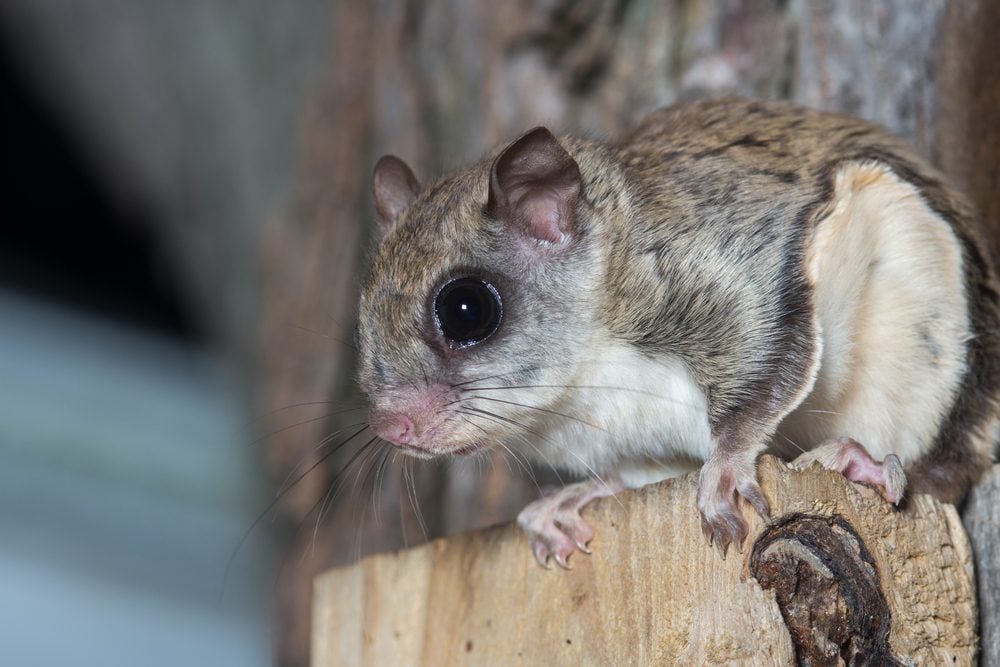
Finding a flying squirrel in your house may be concerning, but it’s not uncommon. Flying squirrels are smaller than other squirrel species and can fit in small holes, cracks, or gaps in any building. Finding flying squirrels in the attic is most common during the winter months when squirrels are seeking shelter from the cold temperatures. They are very social animals that will congregate in large groups, which means you may find more than one flying squirrel in the attic.
Having flying squirrels in your attic can lead to numerous potential hazards, including bad odors from their urine and feces or decay if one has died. In addition, they may create holes in the walls or insulation as they try to nest or find a way back outside. Keep reading to learn how to get rid of flying squirrels in the attic.
How do you know if you have flying squirrels in your attic?
If you suspect that you might have flying squirrels in your attic, there are several signs to look out for. You may hear rustling noises, scratching, or even faint chirping sounds as they move around. Additionally, you may find droppings or signs of nesting. Droppings are small, dark, and look somewhat like those of a mouse. Flying squirrels in the attic may use shredded insulation, gnawed wood or wiring, and even small nests made from soft materials like leaves and fur for nesting.
Flying squirrels are primarily nocturnal, which means they are most active during the night. They tend to glide between trees and other structures, using their patagium—a membrane that extends from their wrists to their ankles—allowing them to maneuver gracefully in search of food, which typically consists of fruits, nuts, and insects. Their nocturnal behavior makes it more challenging to spot them during the day.
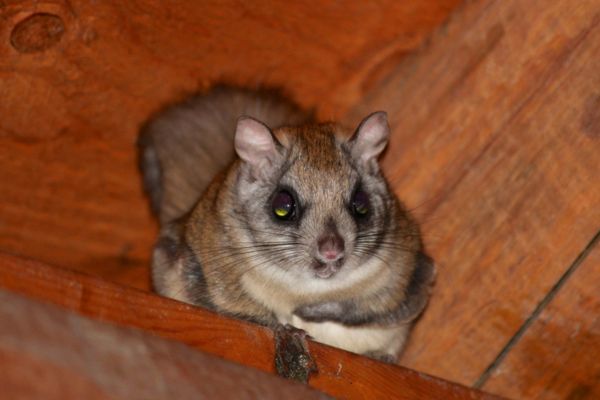
Getting rid of flying squirrels in your attic
If you find yourself dealing with flying squirrels in your attic, it’s easy to hope that they will eventually leave on their own. While it’s possible, it’s not a guarantee, and their presence can lead to significant property damage and health concerns. Many homeowners consider DIY solutions like using loud noises or bright lights to scare them away or setting traps. However, these methods are not the best solution. Loud noises and bright lights can be stressful for the animals, potentially leading them to seek refuge in other areas of your home, while traps can pose safety risks to pets and children. Plus, flying squirrel traps only catch one of these pests at a time and may prove ineffective if an infestation exists.
Choosing professional wildlife control is often a more effective option. Professionals have the expertise to assess the situation properly and implement strategies that are both humane and effective. They can identify entry points, remove flying squirrels from your attic, and help prevent future infestations.
Preventive measures to keep flying squirrels out
To prevent flying squirrels from entering your space, it’s crucial to understand how they gain access in the first place. These pests can squeeze through surprisingly small openings, often entering through holes in roofs, vents, eaves, or gaps around windows and doors. They are particularly adept at climbing and may use nearby trees or power lines as pathways to your home. To help prevent flying squirrels from entering your attic, consider taking these preventive measures:
- Seal entry points like gaps and cracks in your roof or walls with a durable steel mesh.
- Fix any broken windows or cover them with cardboard to help prevent entry.
- Make sure to cap your chimney, as fireplaces can be common access points for squirrels and other pests.
- If you have fruit or berry plants near your home, be sure to regularly harvest and pick up potential food sources.
- Trim tree branches away from the house to reduce access points.
- Keep your attic and any storage spaces free from clutter to minimize potential nesting sites.
Pest protection and maintenance with Terminix
Trying to get rid of flying squirrels in the attic can be a timely process that can result in costly cleaning and repairs. Avoid escalating the problem by consulting with a wildlife technician. They will assess the situation and come up with the best course of action to help remove flying squirrels from your attic. Contact Terminix today to schedule a FREE inspection.