Education
Do mosquitoes bite dogs?
Learn about how mosquitoes bite dogs, and how to protect your furry friends.
Content Updated: July 16th, 2025
Key Takeaways
- Dogs are just as vulnerable to mosquito bites as humans are.
- Diseases transmitted by mosquitoes are typically spread by pathogens accumulated in their saliva.
- For dogs, heartworms are the most common infection passed from mosquitoes.
- The best way to protect your dog from mosquito-borne illnesses is to prevent mosquitoes from biting altogether.
The answer is yes. If your dog is bit, not only will it likely experience the same itching and irritation humans feel when bitten by mosquitoes, it can become vulnerable to heartworm or other mosquito-borne illnesses, such as West Nile virus, Eastern equine encephalitis, and lupus.
Can dogs get mosquito bites if they have thick hair? Yes, even dogs with a lot of fur can get bitten where they are least protected, like their ears and nose. Find out how you can help protect your dog from mosquito bites and what signs to look out for.
Jump to section:
- How can I tell if my dog was bitten by a mosquito?
- How do mosquito-borne diseases spread?
- How can I protect my dog from heartworm?
- Can I prevent mosquitoes from biting my dog?
How can I tell if my dog was bitten by a mosquito?
The following symptoms could be indicative of mosquito bites on your dog:- Constant scratching
- Rubbing ears or nose against a rough surface
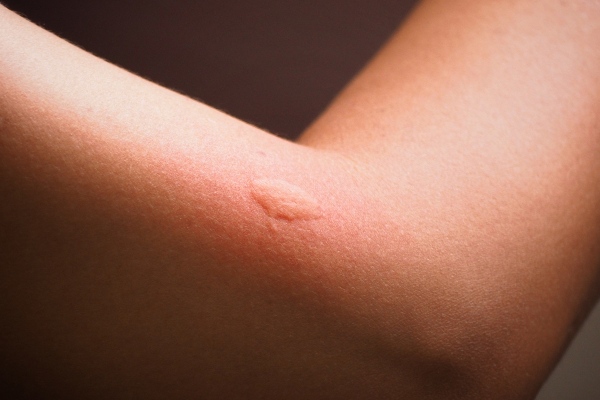
- Red bumps or welts similar to mosquito bites on humans
There’s also the possibility of your dog experiencing symptoms of a systemic illness from a mosquito-borne parasite infection, which can cause:
- Coughing
- Respiratory difficulties
- Lethargy or depression
- Intolerance to exercise
- Lack of appetite or weight loss
How do mosquito-borne diseases spread?
Mosquitoes will typically acquire a disease-causing pathogen from an infected host while taking a blood meal. As the mosquito continues to bite other targets, these pathogens spread. Other factors that affect a mosquito’s ability to transmit diseases include:
- Mosquito saliva – Transmission of mosquito-borne diseases typically occurs through a mosquito’s saliva.
- Pathogen survival – The pathogen has to survive inside the mosquito until it passes along to another hose during another blood meal.
- Digestive system - Because the pathogen has to accumulate in the mosquito’s saliva to transmit, the pathogen must also survive passing through the mosquito’s digestive system.
- Mosquito species – Only certain mosquito species are able to transmit particular diseases.
Heartworm is the most common infection passed from mosquitoes to dogs. Cases of heartworms in dogs are the most prevalent along the Atlantic and Gulf coasts. Other areas where heartworm cases in dogs are common are the Midwest and North-central states.
How can I protect my dog from heartworm?
Dogs should be given monthly preventative heartworm medication year-round (provided by their veterinarian) to help prevent heartworm larvae, especially if you live in an area with known heartworm cases.
Do dogs get mosquito bites even with heartworm medication? It’s possible; heartworm medication does not repel mosquitoes and dogs can still be infected with heartworms transmitted by mosquitoes, but the worms do not survive in dogs that are properly treated with preventative heartworm medication.
Can I prevent mosquitoes from biting my dog?
The best way to protect your dog against mosquito-borne diseases is to prevent your dog from getting bitten. This can be done by helping to reduce potential mosquito sites in your yard:
- Remove any containers with standing water, such as pet bowls, ornamental ponds or old tires.
- Make sure water in flowerpots and planters properly drains.
- Mow tall grass where mosquitoes could be hiding.
- Change the water in birdbaths and children’s pools at least once a week. Turn wading pools upside down when not in use.
- Keep rain gutters unclogged and dry.
- Drain any puddles, ditches or swampy places around the home.
- Seal any potential entry points to the inside of your home.
- Have a pest control specialist treat your yard.
Terminix® has a long-lasting mosquito solution that can help protect your yard for weeks. With our solution plan, you can help protect yourself, your pets, and your backyard events from these blood-sucking pests. Get started with Terminix today to get started.