Home Garden
How to help keep birds away
Birds making a mess on your porch? Learn how to keep them from coming back with a few simple strategies.
Updated: June 30, 2025
Birds might seem harmless at first, but when they start nesting on your porch or around your home, they can quickly become a problem. From constant noise to unsightly droppings and property damage, unwanted bird activity isn’t just a nuisance—it can also impact your home's exterior and even your roof. In fact, some birds can cause damage to roofing materials, siding, and vents over time.
If you're trying to figure out how to keep birds off your porch or away from your house entirely, the good news is that there are safe, humane ways to do it. From removing attractants to using light, sound, or texture to discourage nesting, the right combination of strategies can help you take back your space, without harming the birds themselves.
Jump to section:
How to help get rid of birds nesting on porches or homes
Removing birds’ nests from your porch or home
How to help get rid of birds nesting on porches or homes
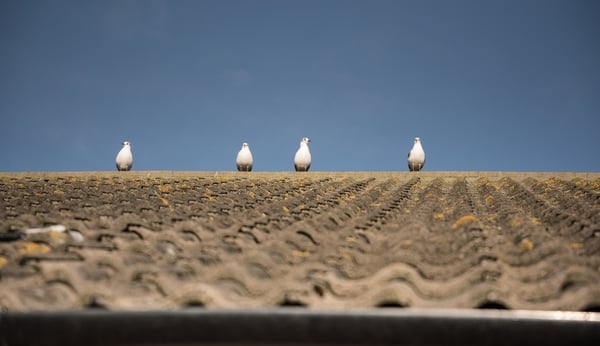
Once birds start nesting on your porch, ledges, or eaves, it can be tough to convince them to leave. Many birds are persistent, and once they’ve built a nest, they may return to the same spot year after year. That’s why the best approach is often a mix of prevention and gentle deterrents, especially before nesting starts.
If you’re already seeing activity, start by safely removing materials like twigs, leaves, and droppings. Clean the area thoroughly, then take steps to make it less inviting moving forward. This might include blocking access to ledges, removing food sources, or adding motion-based or sound-based deterrents. You can find additional tips in our guide on how to prevent birds from perching.
Remove bird attractants
The most effective way to keep birds off your porch is to eliminate what draws them there in the first place. Food, water, and shelter are the biggest attractants. Clean up fallen seed, crumbs, or pet food, and keep trash bins sealed. Empty standing water from planters or gutters, which birds use for drinking and bathing.
It’s also important to clear away nesting materials. Twigs, leaves, and droppings—especially in corners or rafters—can encourage birds to settle in. Even old nests should be removed if local regulations allow. Keeping these areas clean reduces the chance birds will stick around.
Sound repellents
Certain noises can help scare birds away, especially if they’re unpredictable. While birds may eventually get used to static or repetitive sounds, devices that produce changing frequencies or mimic predators tend to work better. Options include:
- Ultrasonic bird repellents: These emit high-frequency sounds that are unpleasant to birds but generally inaudible to humans.
- Motion-triggered noisemakers: These activate only when a bird enters the area, making the sound feel more like a threat.
- Wind chimes: In some cases, the irregular clanging of metal chimes can discourage birds from landing nearby—especially if placed near known roosting spots.
Visual repellents
Birds rely heavily on their vision to spot danger, so creating the illusion of threats can help keep them away. Reflective materials and predator decoys can trick birds into avoiding your porch without harming them. Popular visual deterrents include:
- Hanging shiny objects: Aluminum foil strips, old CDs, or commercial bird reflectors sway in the wind and reflect sunlight, which can confuse or alarm birds.
- Predator decoys: Life-sized plastic owls, hawks, or snakes can signal danger, though they should be moved around regularly so birds don’t get used to them.
- Moving elements: Spinners, pinwheels, and fluttering tape work best when there’s at least a light breeze.
Tactile repellents
Sometimes, the best way to discourage birds is to make your porch physically uncomfortable for them to land on. Tactile deterrents don’t hurt birds—they just create a surface that’s hard to grip or unpleasant to stand on. Some effective tactile options include:
- Bird gel or liquid repellents: These sticky substances (applied to ledges or railings) create an unstable surface birds want to avoid.
- Motion-activated sprinklers: A burst of water can startle birds without causing harm, making them think twice before returning.
- Bird netting: Ideal for blocking access to rafters or ceiling corners where nests are commonly built.
- Spikes or sloped covers: These can be placed along flat ledges or beams to prevent birds from perching comfortably.
Removing birds’ nests from your porch or home
If birds have already built a nest on your porch, under your eaves, or in vents or chimneys, it’s important to proceed with care. Many bird species are protected by law, and removing an active nest, especially one with eggs or chicks, can be illegal depending on where you live.
Start by observing the nest from a distance. If it appears abandoned or unused, you may be able to remove it after checking local regulations. Always wear gloves and use a sealed bag to dispose of nesting material, and thoroughly clean the area afterward. This helps remove scents and debris that might attract other birds to reuse the space.
If birds are nesting in harder-to-reach spots—like your attic, chimney, or dryer vent—it’s best to consult a professional. The team at Terminix can help assess the situation and safely remove unwanted wildlife. For more guidance, check out our tips on how to remove birds from your chimney or learn more about wildlife control services.