
Whats Buzzing
Chagas disease cases rise: What to know about the kissing bug disease
Content Updated: October 9, 2025
Key takeaways
- Chagas disease is caused by the parasite Trypanosoma cruzi and is primarily spread by “kissing bugs,” which feed on blood at night. Transmission occurs when feces from an infected kissing bug enter the body through a bite wound, the eyes, or the mouth.
- Most U.S. cases are linked to people who lived in or traveled to Latin America. Locally acquired cases have been reported in states such as Texas, Arizona, California, Louisiana, and Mississippi.
- Early signs of illness may be mild, but untreated infections can progress years later, causing heart and digestive problems. Symptoms are often mistaken for those of other illnesses, making early testing crucial.
- Chagas disease does not go away on its own. Antiparasitic medications are most effective early, but care is available at all stages.
Jump to section:
- What are kissing bugs?
- How is Chagas disease transmitted?
- Chagas disease: Symptoms and when to seek help
- What to do if you suspect you have Chagas disease
- Tips for kissing bug prevention
Chagas disease, also called American trypanosomiasis or kissing bug disease, is an illness caused by the parasite Trypanosoma cruzi. It is most commonly spread by triatomine insects, often referred to as “kissing bugs.”
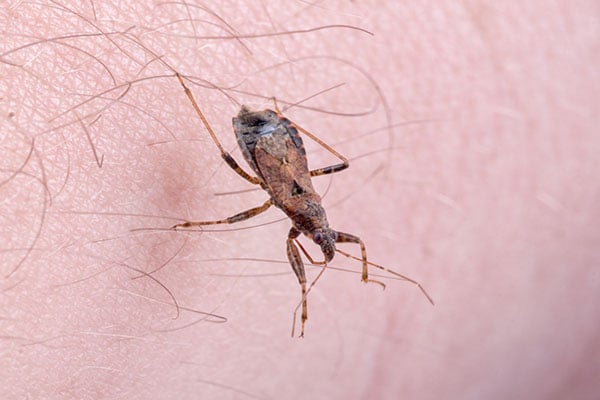
Kissing bugs can spread the parasite that causes Chagas disease when they leave feces near the site of a bite. If the feces get rubbed into the bite, eyes, mouth, or another opening in the skin, the parasite can enter the body and cause infection. Chagas disease can also be transmitted to animals, both wild and domestic, but they don’t typically transmit the disease to humans.
Human cases have been documented in the following eight states:
- California
- Texas
- Arizona
- Louisiana
- Mississippi
- Arkansas
- Missouri
- Tennessee
What are kissing bugs?
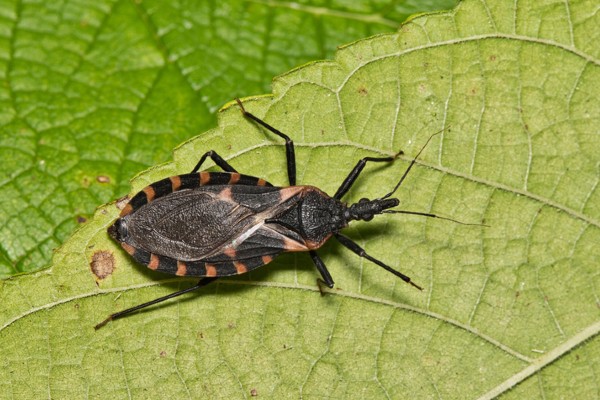
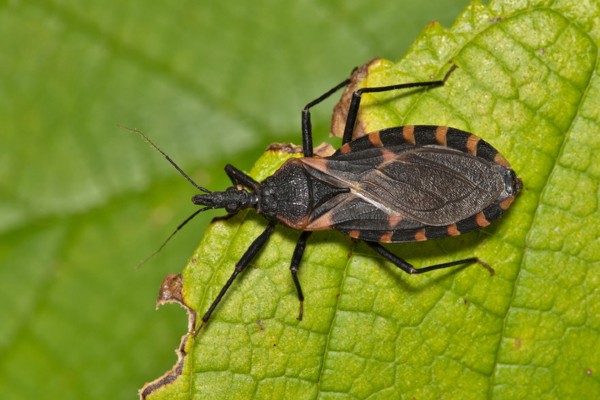
A kissing bug is a type of insect that feeds on the blood of humans and animals, usually at night. They’re nicknamed “kissing bugs” because they typically bite near the mouth or eyes while people are sleeping. They’re also called cone-nose bugs or vampire bugs.
In the United States, kissing bugs are most commonly found in the southern and southwestern states, particularly in Texas, Arizona, New Mexico, and California. They have also been reported in parts of the southeastern U.S., including Louisiana, Mississippi, Georgia, and Florida.
They usually live outdoors in areas such as woodpiles, under porches, in animal burrows, or around chicken coops, but they can sometimes enter homes.
How is Chagas disease transmitted?
Chagas disease is primarily transmitted by kissing bugs. Most U.S. cases occur in individuals who have previously lived in or traveled to Latin America. Locally acquired infections are rare but have been reported.
Other transmission routes include blood transfusions, organ transplants, or from mother to baby during pregnancy. In the U.S., strict blood donor and organ screening has made these routes of transmission extremely rare. Those at greatest risk include people living in areas where these insects are active, especially in rural or outdoor settings.
Do all kissing bug bites result in Chagas disease?
No, not all kissing bug bites result in Chagas disease or “kissing bug disease.” While kissing bugs can carry the parasite that causes the disease, not every bug is infected with it. Even when a bug is carrying the parasite, transmission usually happens only if the bug’s feces (which may contain the parasite) enter the body through the bite wound, eyes, mouth, or other mucous membranes.
In the U.S., kissing bug bites are relatively rare, and the chance of getting Chagas disease from one is considered very low.
Chagas disease: Symptoms and when to seek help
Chagas disease can develop slowly and may not show obvious signs at first. Anyone who suspects they’ve been exposed should consult a healthcare provider right away for testing and medical guidance.
Acute phase: Early signs to watch for
The acute phase of Chagas disease occurs shortly after infection and can last for weeks to months. Many people may experience only mild, flu-like symptoms, such as fever, fatigue, body aches, or swollen lymph nodes. However, there are a few warning signs that should raise concern, including:
- Swelling around the bite site
- Swelling of one eyelid if the parasite enters through the eye
- Rash or loss of appetite
Chronic phase: Long-term impacts on the heart and body
If left untreated, Chagas disease can progress years later into a chronic phase, potentially damaging the heart and digestive system. Serious complications include irregular heart rhythms, heart failure, or digestive issues like difficulty swallowing and severe constipation.
When symptoms overlap or stay hidden
One of the biggest challenges with Chagas disease is that symptoms are often non-specific or may not appear for years. Fatigue, mild fever, digestive discomfort, or body aches can easily be mistaken for more common illnesses.
If you’ve lived in or traveled to areas where Chagas disease is present, it’s important to mention this to your healthcare provider. Professional testing and diagnosis are essential for catching the disease early and preventing long-term complications.
What to do if you suspect you have Chagas disease
If you think you or someone you know may have been exposed to Chagas disease, quick action can make a difference. Here are the steps to take:
- Seek medical care: Contact your primary care provider or an infectious disease specialist and explain your concerns, especially if you’ve traveled to or lived in areas where Chagas disease is more common or you had contact with kissing bugs.
- Get tested: Diagnosis typically involves a blood test that checks for Trypanosoma cruzi antibodies.
- Follow medical guidance: If the infection is confirmed, your doctor may prescribe antiparasitic medications. Early treatment is most effective, but it may also help in later stages by slowing disease progression.
- Monitor long-term health: Even after treatment, ongoing medical checkups are important to track heart and digestive health.
- For caregivers and pet owners: If you’re caring for a child, older adult, or pet who may have been exposed, reach out to your doctor or veterinarian. Dogs, in particular, can be infected and may act as a reservoir for the parasite.
Chagas disease treatment
Chagas disease does not go away on its own. It requires professional medical care. Treatment depends on the stage of the infection:
- Acute phase: Doctors typically prescribe antiparasitic medications, which can eliminate the parasite and prevent long-term complications.
- Chronic phase: While antiparasitic drugs may still help slow disease progression, treatment often focuses on managing complications. This may include medications for heart rhythm problems, pacemakers, or therapies for digestive system issues.
Because symptoms can be mild or hidden for years, anyone who suspects exposure should seek testing and follow medical advice right away.
Tips for kissing bug prevention
For most people in the U.S., the risk of contracting Chagas disease is low. While kissing bugs that can carry the parasite are found in parts of the southern U.S., transmission to humans here is considered rare.
That said, awareness is still important. Kissing bugs are most active at night and are attracted to homes with easy entry points. To help reduce your risk of exposure:
- Seal entry points: Repair cracks in walls, foundations, and around windows and doors.
- Install screens: Use tight-fitting window and door screens and fix any tears.
- Reduce outdoor lighting: Bright lights can attract insects at night.
- Clean up clutter: Keep firewood, rock piles, and brush away from your home’s foundation, where bugs may hide.
- Maintain your yard: Trim vegetation and remove debris that may create nesting spots.
If kissing bugs or other pests are becoming a nuisance in your home, Terminix can help. Our pest control services are tailored to your home and needs.