


Need a carpenter ant exterminator?
Carpenter ants can weaken a home’s wooden structure, create hidden satellite colonies, and spread quickly throughout your home. Terminix carpenter ant control services are designed to identify, treat, and help prevent infestations for homeowners looking for expert, reliable help.
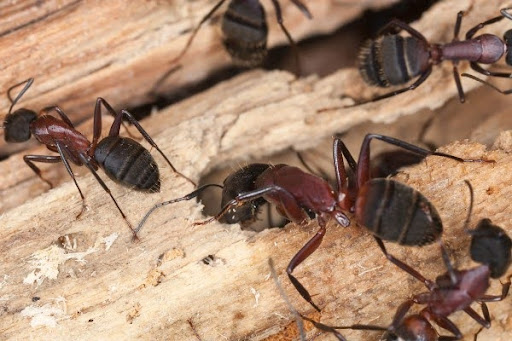
- Carpenter ants often nest deep inside walls or damp wood, making them difficult to locate without professional tools.
- DIY carpenter ant treatments can cause colonies to disperse, making the infestation more difficult to treat. wallpaper.
- Satellite nests can exist in multiple areas, requiring targeted treatment to eliminate them entirely.
- Early signs of carpenter ants are subtle, and damage can progress before you notice.
Your carpenter ant treatment options
Carpenter ant infestations require targeted solutions. Your carpenter ant exterminator may use one or a combination of treatment methods depending on the severity of the infestation, the location of nests, and whether satellite colonies are present.
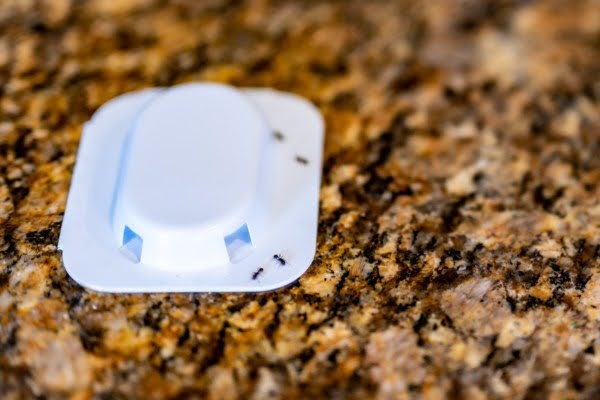
Carpenter ant bait
Baits are used to attract ants that are searching for food. When the ants take the bait back to their colony, it affects the whole group, including the workers and the queen. Carpenter ant baits help deal with nests that are difficult to reach and for controlling large ant infestations.
Common carpenter ant baits include:
- Granular ant baits
- Liquid ant baits
- Ant gel baits
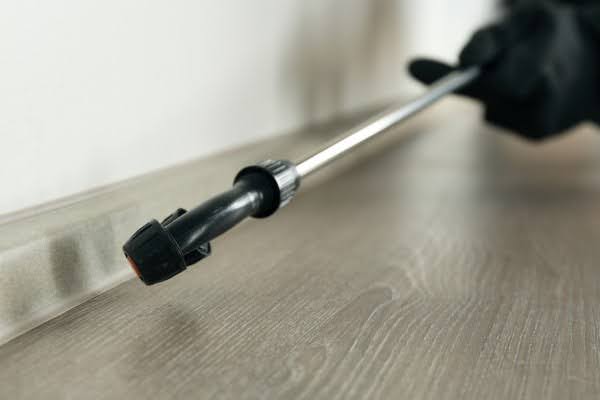
Carpenter ant repellents
Repellents help reduce carpenter ant activity by discouraging ants from entering or traveling through treated areas. Your carpenter ant exterminator may apply dust products inside wall voids or attics, or use liquid residuals to create protective barriers around high-traffic zones. These treatments help limit movement and guide ants toward more effective solutions, like baits or non-repellent products.

Insecticides
Insecticides provide long-lasting control and are often used to target areas where carpenter ants nest or travel. A common option is a non-repellent liquid residual, which is a treatment ants cannot see, smell, or avoid. Because they don’t realize it’s there, ants walk through it and naturally carry it back to the colony. This allows the product to spread to other ants, without causing the colony to scatter or relocate.
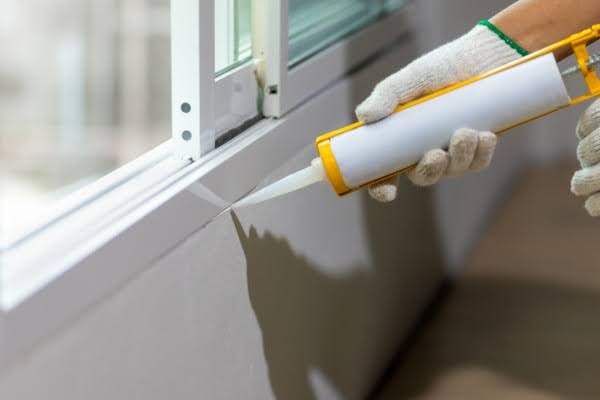
Sealants
Sealants are used to close off small gaps, cracks, and openings in your home’s exterior that carpenter ants use to enter. By fixing these access points, this carpenter ant control method helps reduce future infestations and limit how easily ants can move between indoor and outdoor colonies.
Carpenter ants are one of the 39 pests covered with a Terminix PestFree365+ control plan.

Our commitment to you, your family, and the environment

Pet and family friendly
Applied with care for the people and pets you love

Eco-conscious solutions
Smart, targeted approaches designed with the environment in mind

Local experts
Local technicians who understand your area’s unique pest challenges
Signs of carpenter ants to look for
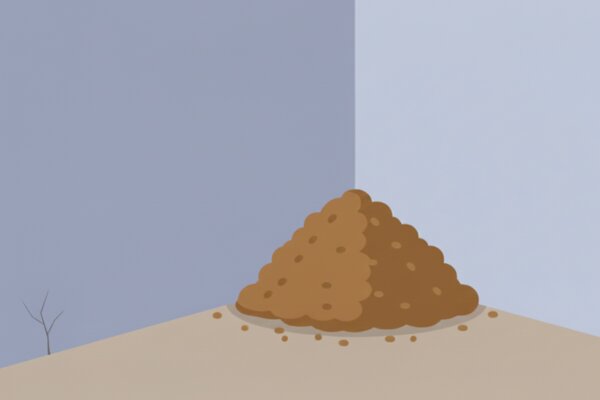
Frass
Tiny wood shavings or coarse sawdust piles are often found near walls, baseboards, or wooden structures where ants are nesting.
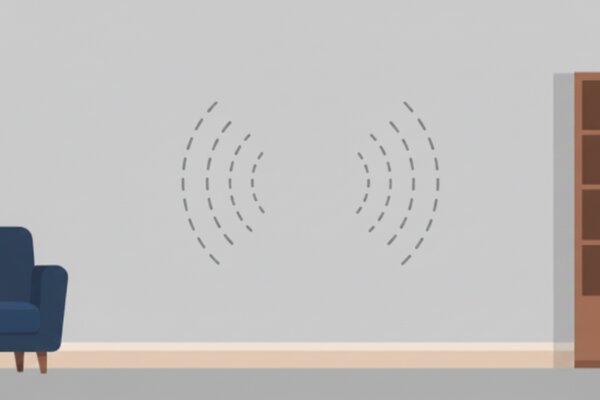
Rustling or tapping sounds
Soft noises inside walls or ceilings, usually at night, are caused by ants moving through wood tunnels.
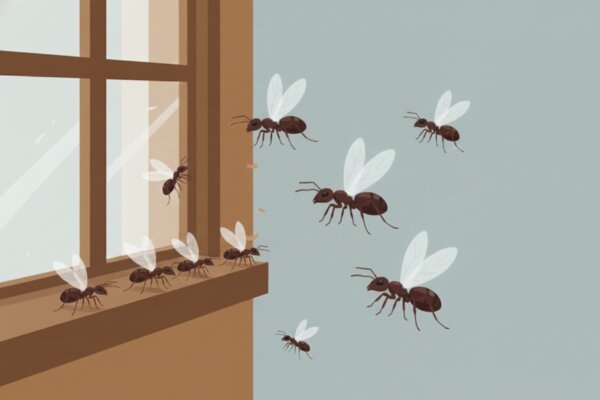
Flying ants
Large, winged ants are commonly seen near windows, doors, or lights during their mating season.
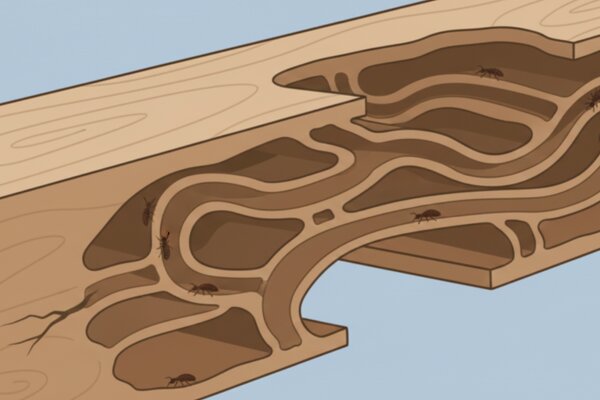
Damaged or hollow-sounding wood
Wood may appear smooth on the inside, with small tunnels often found near areas that are moisture-damaged.
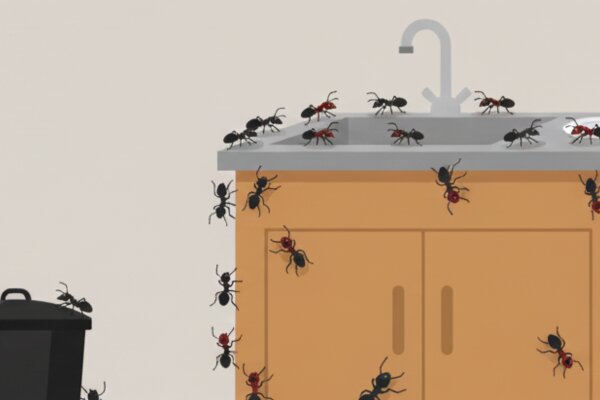
Large black or red-and-black ants indoors
Commonly found in kitchens, bathrooms, basements, or around damp areas where ants forage for food and water.
The Terminix Difference
Here’s what our customers have to say...
Larry Caldwell
Maine
![Google Logo]()
Large carpenter ant infestation remediated quickly and efficiently by Terminix.
3 months ago
Steve K.
Menomonee Falls, WI
![Google Logo]()
Scott provided a scheduled 2nd application to resolve a exterior carpenter ant situation. Scott located the nest on his first visit and eliminated the problem. We are very pleased with Scott's knowledge and performance. Thank you for the great service.
5 months ago
Dennis B.
Rhode Island
![Google Logo]()
Very satisfied with the job they did black carpenter ants are gone! And whatever else was living here
7 months ago
Jessica Gilligan
Tampa, FL
![Google Logo]()
They’re doing a great job! Finally after months of stress they are maintaining keeping those carpenter ants away!
8 months ago


What to expect from Terminix carpenter ant control services
Protecting your home doesn’t have to be a guessing game. Terminix carpenter ant treatments are designed to locate hidden nests, eliminate active colonies, and help prevent future infestations before they cause serious damage. Here’s what to expect with Terminix carpenter ant control services:

Inspection
A Terminix carpenter ant exterminator will carefully examine your property to identify the species of carpenter ants, locate their nesting sites, and pinpoint entry points or areas with moisture damage that may attract ants.
Treatment
Once the problem areas are identified, your technician will apply a combination of tailored carpenter ant treatments, including baits, insecticides, repellents, and sealants, to remove active colonies and reduce ant activity.
Prevention
After carpenter ant removal, your exterminator will provide personalized recommendations to limit ant-friendly conditions. For ongoing protection, try our PestFree365+ plan, which provides year-round protection against up to 39 common household pests, including carpenter ants.
FAQs about carpenter ant control
The cost of professional carpenter ant control depends on several factors, including the size of your home, the extent of the infestation, and the type of treatments required. A Terminix technician can provide a personalized estimate after inspecting your property.
Not always, but it can be a warning sign. Carpenter ants typically nest outdoors but may forage inside your home. Seeing a single large ant repeatedly, especially at night, may indicate a nearby nest or a satellite colony inside your structure.
Carpenter ants are attracted to moisture, rotting wood, and accessible food sources. Help prevent future infestations by ensuring gutters drain properly, repairing leaks, removing decaying wood, storing food in sealed containers, and sealing gaps around windows, doors, and other entry points.
Queen carpenter ants are significantly larger than workers, often reaching up to 1” in length. They have a robust body, noticeable wing scars or wings if they haven’t shed them yet, and are typically found deep inside primary nests within wood. They are rarely seen outside the colony.


