

Cockroaches: Causes, Signs, and Behavior
Learn more about these hardy pests, and how and why they end up in your home.
Key takeaways
- Cockroaches have six legs and long antennae, as well as flat, oval-shaped bodies and are anywhere from half an inch to three inches long.
- The American cockroach, the German cockroach, the brown-banded cockroach, and the oriental cockroach are among the most common species of roach in the United States.
- Roaches in search of food, water, and shelter have numerous entry points into homes, including openings in walls, foundations, and floors.
- If you see cockroaches in your home, it’s important to act fast. Though there are preventative measures you can take, a serious problem will likely require professional treatment.
Cockroaches are resilient insects known for their ability to thrive in a wide variety of environments, especially in dark and damp areas. Recognizing the signs of cockroach activity, such as droppings, shed skins, and a musty odor, can help homeowners identify and address infestations early.
Due to their rapid reproductive rates and ability to hide in cracks and crevices, cockroach infestations can escalate quickly if left untreated. Infestations can be challenging to eradicate once established, making early detection and intervention essential to controlling these pests effectively. Here’s what you need to know when it comes to cockroaches.
Jump to section:
- What do cockroaches look like?
- What are the most common cockroaches?
- The cockroach life cycle
- What attracts cockroaches to your home?
- What do I do if I see a cockroach?
- Cockroach control and extermination
What do cockroaches look like?
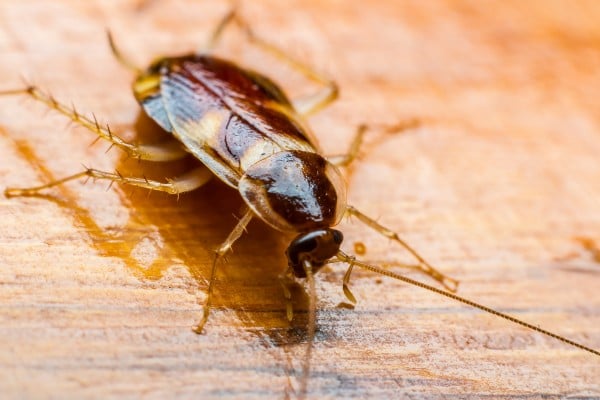
Cockroaches fluctuate in size, color, and appearance depending on the species, but they generally share a few key physical characteristics. Here's what you can keep an eye out for:
- Body shape: Roaches typically have flat, oval-shaped bodies with long antennae and six legs.
- Size: Cockroaches can range from half an inch to three inches long.
- Color: Though roaches vary in color, their coloration typically ranges from reddish-brown to dark brown or black.
- Wings: Many cockroaches have wings, but not all species can fly.
What are the most common cockroaches?
The most common cockroach species are the American cockroach, the brown-banded cockroach, the German cockroach, and the oriental cockroach.
American cockroach
The American cockroach is one of the largest cockroach species. Adult roaches typically measure around 1½-2 inches long. It's reddish-brown and has wings, although it's not a strong flier. These cockroaches are scavengers and can be found in dark, damp areas like basements and sewers.
Brown-banded cockroach
The brown-banded cockroach is a smaller species. Adults are typically about half an inch long. It's light brown with two distinctive bands across its wings and abdomen. The brown-banded cockroach prefers warm, dry areas.
German cockroach
The German cockroach is another small species, reaching about ½-⅝ inches long when fully grown. It's light brown or tan with two dark stripes running down its back, and they’re known for their rapid reproduction rates. They prefer warm, humid environments such as kitchens and bathrooms. Young German cockroaches are often confused with bed bugs, as they share similar hiding areas.
Oriental cockroach
The oriental cockroach is larger than many other common cockroach species, measuring around 1-1¼ inches long as an adult. It's shiny, black, and has a relatively flat body. These roaches are often found in damp, dark areas. They are less agile than other cockroach species and cannot fly.
Though those are the most common, there are still over 4,500 types of roaches in the world. Other species of cockroach include:
- Asian cockroach
- Australian cockroach
- Cuban cockroach
- Florida woods cockroach
- Madagascar hissing cockroach
- Surinam cockroach
- Wood cockroach
The cockroach life cycle
The cockroach life cycle includes the egg, nymph, and adult stages. Females lay eggs in protective cases called oothecae, which hatch into nymphs. The nymphs molt by shedding their exoskeleton several times until they reach adulthood. Once they reach adulthood, they’re capable of reproducing.
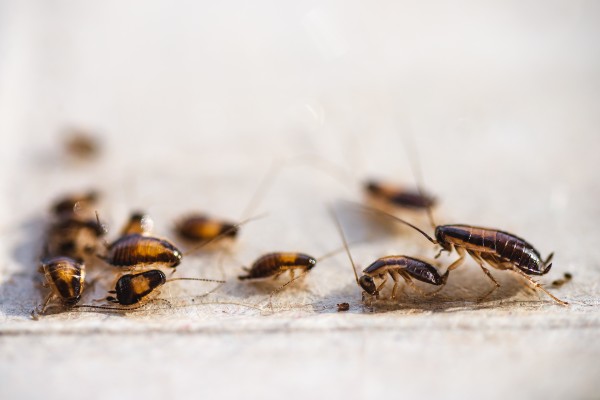
The lifespan of a cockroach is dependent upon the species and its environmental conditions. Food availability, temperature, and humidity are all factors that can influence their longevity. Typically, most adult cockroaches live for several months to a year under favorable conditions.
What attracts cockroaches to your home?
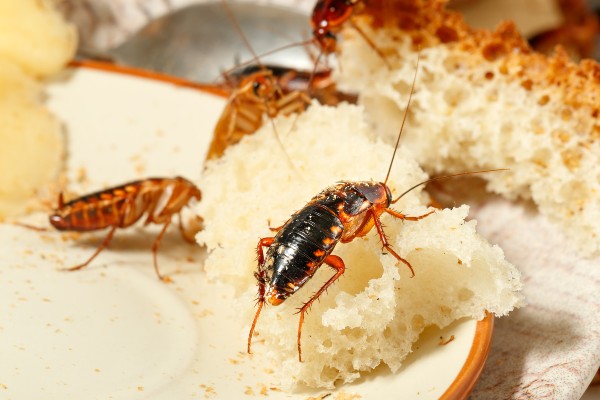
So, what are cockroaches looking for in your home? Three main things: food, water, and shelter. Many homes can offer these in abundance, especially given how adaptable cockroaches are.
Cockroaches are omnivorous insects that can feed on almost anything, including, but not limited to:
- Crumbs and other food debris
- Garbage
- Organic matter, such as dead skin
- Clothing
- Decomposing plant material
Shelter-wise, cockroaches are looking for warm, humid, and cluttered spaces, such as:
- Behind kitchen appliances
- Inside cabinets or under counters
- Cracks or crevices in floors and walls
- Cardboard boxes and other debris
- Stacks of newspapers
- Floor drains
How do you get cockroaches?
There are several possible ways for cockroaches to enter homes:
- Openings in walls, floors, and foundations
- Gaps around doors and windows
- Migration from neighboring units through shared walls or utility lines
- External items brought inside, such as groceries, boxes, and furniture
Once cockroaches are introduced to a home, they can quickly grow in population, especially in environments with poor sanitation or excess clutter.
A roach’s favorite places to live
Cockroaches prefer to live near reliable water sources, such as faucets in a kitchen or bathroom. They are attracted to water and look for moist, humid, and dark spaces to hide in. In a house or apartment, you can find a cockroach in:
- Furniture
- Cupboards
- Kitchen sinks
- Vanity cabinets
- Drains
- Appliances
- Boxes
- Books
- Ceilings
- Cellars
- Cracks in walls
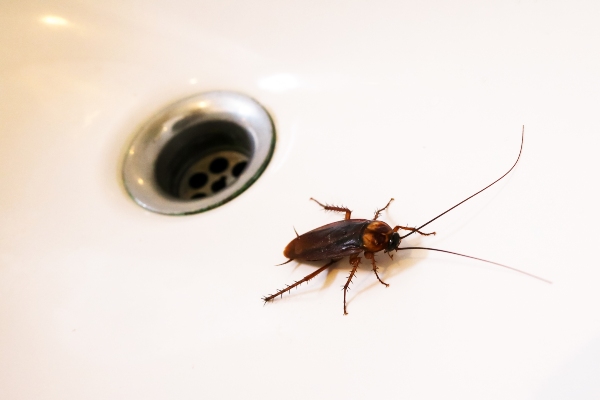
Since cockroaches are nocturnal, they try to hide during the day. Once sources of light disappear, they come out of their hiding places.
Outside of the house, cockroaches typically live in:
- Tree trunks
- Shrubbery
- Sewers
- Drain pipes
- Garbage cans
Unlike many other types of insects, cockroaches don't build nests. They simply find a dark and humid place and live there with their families.
What do I do if I see a cockroach?
If you notice a cockroach in your home, you must act quickly to prevent further infestation. Be sure to take these pest control measures right away:
- Clean up food crumbs and spills
- Seal cracks and crevices
- Vacuum thoroughly, especially in areas with food debris like kitchen floors, inside cabinets, under the stove, and behind the fridge
- Remove clutter and eliminate hiding spots
- Clean doors, countertops, and inside appliances to remove residual food debris and grease
Cockroach infestations can be difficult for a homeowner to control. Contacting a professional pest control company for a thorough inspection and treatment is recommended at the first sign of roaches.
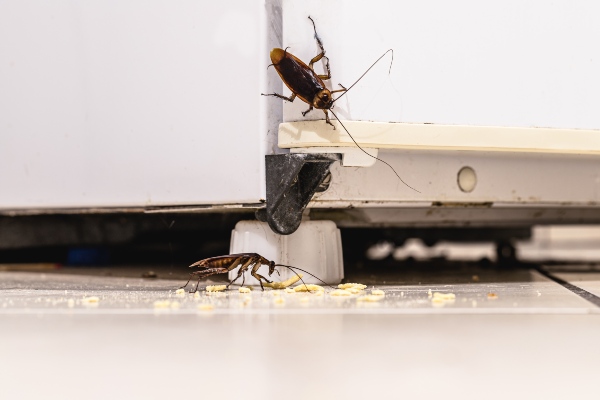
You may notice a few common signs if you have a cockroach infestation, such as:
- Physical cockroaches spotted around your home, especially at night
- A strong, musty odor
- Dead roaches, roach droppings, or egg casings
Are cockroaches dangerous?
Unfortunately, roaches do pose health risks to humans. They can transmit diseases, contaminate food, and trigger allergies and asthma in sensitive individuals. Because of this, it's important to take appropriate measures to eliminate cockroach populations as soon as possible.
Cockroaches can bite, but they generally do not bite humans unless they feel threatened or are in a situation where they lack access to their usual food sources. Bites typically occur when someone is sleeping, and roaches tend to target the feet, hands, and face. Babies are at the greatest risk for bites because they are immobile, and their bedding or clothing may be soiled with food debris or waste.
Should I kill cockroaches when I see them in my home?
Killing cockroaches is often necessary to control infestations and reduce health risks associated with their presence. However, while DIY cockroach control solutions can be attempted, it is still best to contact a professional pest control company to locate and completely eradicate an infestation.
Cockroach control and extermination
Terminix’s professional cockroach exterminators offer thorough solutions to eliminate cockroach infestations. Our technicians can help remove roaches living in your home and create a plan to help prevent any future cockroach infestations from occurring.

Frequently Asked Cockroach Questions
Keeping your home clean prevents roaches by removing their food and water sources and hiding places, disrupting breeding sites, and preventing access by sealing off entry points. Regular cleaning and maintenance minimize the factors that attract cockroach infestations. The best tool a homeowner has to reduce a pest problem is a bag model vacuum cleaner or shop vac with a few inches of soapy water in the catch barrel.
However, roaches are difficult to control on your own. A pest control professional can thoroughly inspect your house and pinpoint areas of concern to eradicate a cockroach infestation. Our technicians are trained to understand which combination of roach control methods will be most effective for your unique situation. Contact Terminix® to get cockroach control today.
Cockroach droppings are easy to spot, making them one of the most common signs of cockroaches. Smaller species of roaches leave behind brown or black specs, which range in appearance from finely ground black pepper to coarse coffee grains. German cockroach feces is most commonly found in a home. Larger roaches leave behind solid feces shaped like cylinders. This waste matter is also brown or black, depending on the species. The droppings from larger roaches have ridges running the length of the feces from tip to tip. These ridges will help you differentiate roach droppings from mouse droppings, as mouse droppings don’t have ridges. Mouse droppings are also slightly larger and pointed at least on one end.
Cockroaches are omnivores. They will eat most of the same foods you enjoy. After all, humans are omnivores, too, so it's no surprise we share similar tastes. That's why you'll find cockroaches in kitchens, food storage, and prep areas of homes with cockroach infestations. However, roaches can and will eat just about anything. They've been known to eat common household items like plants, soap and makeup.
Generally, most roach species can live up to a month without food because they are cold-blooded. However, cockroaches will die in a week if they don't have access to water, which they can obtain via food. Your home could provide a perfect dwelling place for roaches because they can eat almost anything and access water via sinks and drains.