Mosquitoes
Get to know what happens to a mosquito after they bite you.
Content Updated: July 24, 2025
Key takeaways
- Mosquitoes do not die when they bite, unlike honey bees that die when they sting.
- Only female mosquitoes bite humans and animals because they need blood to lay viable eggs.
- Until fully satiated, a mosquito can and will bite as many times as it needs to.
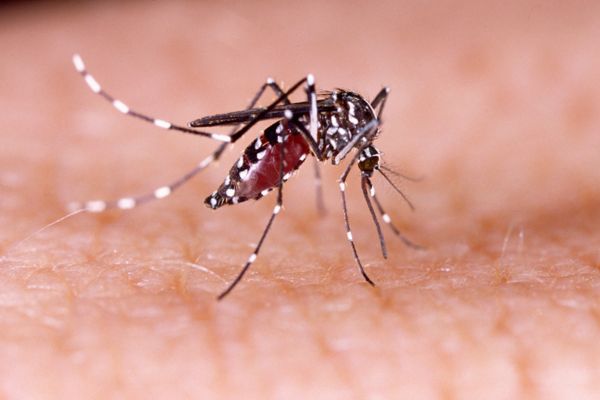
It’s a common misconception that mosquitoes die after they bite you. It’s easy to see where this belief comes from, as the fates of other insects, like some species of bees, can cause confusion about whether mosquitoes live or die after they bite. Honey bees die after stinging, so do mosquitoes die after biting?
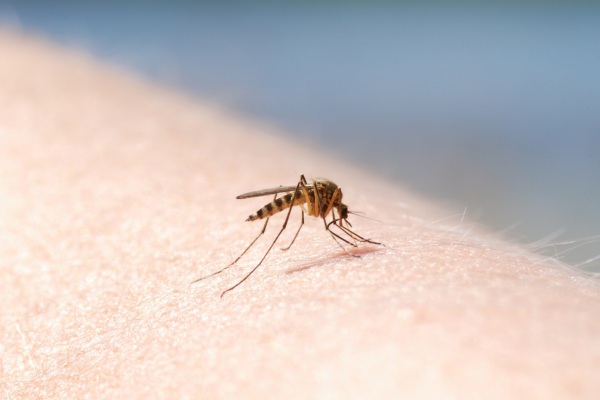
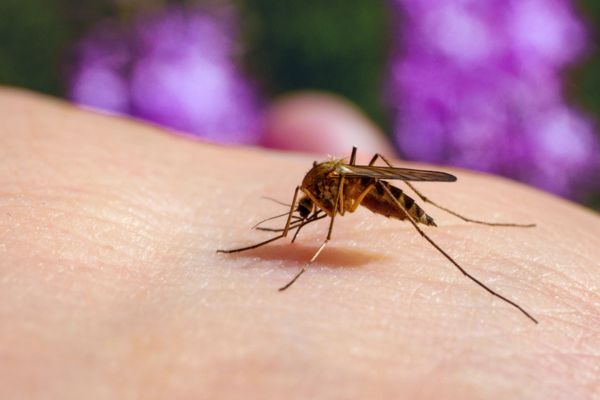
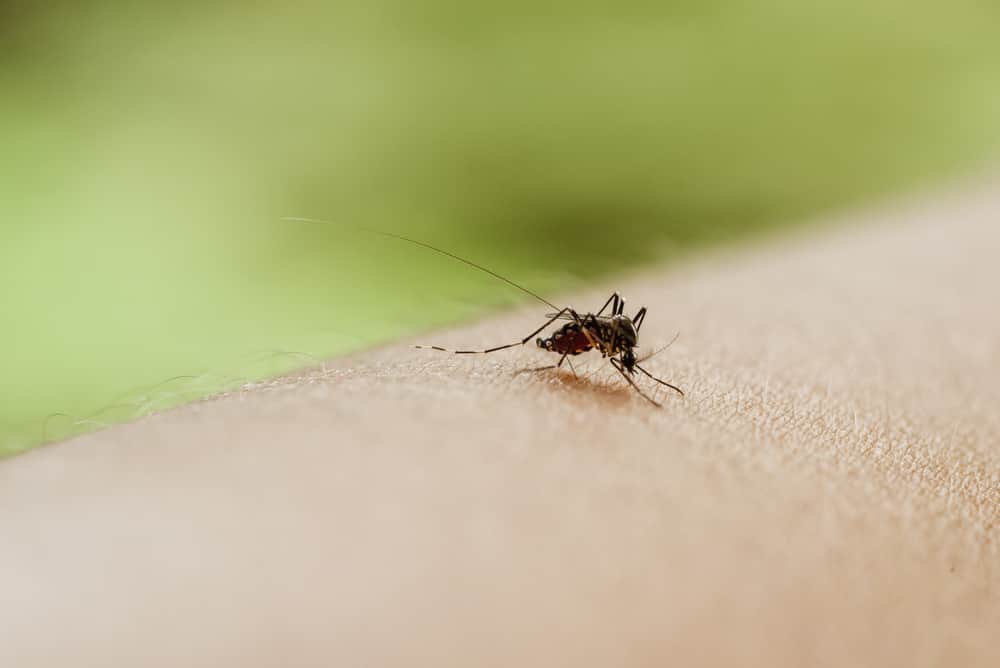
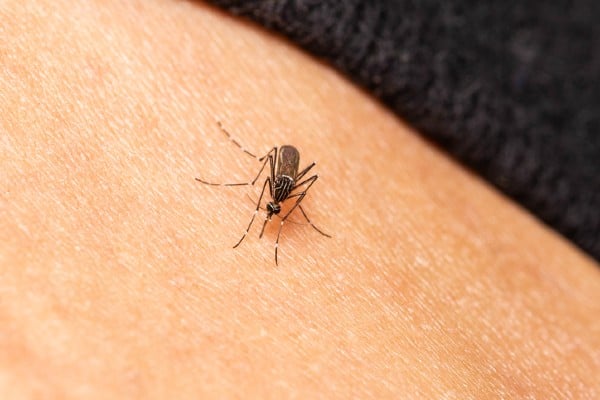
While mosquitoes may die if you smack them when you feel a bite, there’s no biological or anatomical reason they would die after feeding. In fact, these nuisance insects are capable of biting multiple times in a single night. They’ll keep going until they’re full.
So, now you know that mosquitoes don’t die after they bite. To betterunderstand why, let’s look at why honey bees die but pesky mosquitoes don’t, and why mosquitoes need your blood in the first place.
Jump to section:
- What’s the difference between bees vs. mosquitoes?
- Why do mosquitoes thirst for blood?
- How far do mosquitoes travel?
What’s the difference between bees vs. mosquitoes
Some major differences between honey bees and mosquitoes are a result of what’s involved in their respective processes of stinging and biting:
- Ovipositor vs. proboscis – A honey bee’s stinger is a modified ovipositor (a tube–shaped organ that’s used for laying eggs). On the other hand, a mosquito’s mouthpiece is a proboscis (an elongated and tubular mouthpart).
- Attacking vs. feeding – Since only the queen bee lays eggs, worker bees instead use their modified ovipositors for stinging. Mosquitoes use their mouthpiece for feeding and sucking on nectar and blood.
- Fixed vs. removable – When a worker bee strikes, the stinger’s barbs get stuck in the person or animal being stung. When a mosquito feeds, it’s free to take its proboscis in and out without worry.
- Death vs. survival – Because a honey bee’s stinger gets stuck in the target, this organ gets ripped out when their attack is finished, resulting in death. A mosquito, however, doesn’t leave its proboscis — or any part of itself — behind. That means it can fly away after biting, unharmed.
Why do mosquitoes thirst for blood?
As it turns out, mosquitoes need a blood meal to reproduce. Without certain proteins and amino acids, they’re unable to lay viable eggs. And only the females require blood meals, which means only the female mosquitoes bite you.
.jpg?h=400&w=600&rev=5ac2dbe29fbd41d39dc2c7c028f3d2aa&hash=2BFAFC802167D91957DB79C466A5584F)
Female mosquitoes
As you’ve learned, the female needs a protein source to produce her eggs. The typical female mosquito feeding cycle is as follows:
- After a mosquito bites you, it uses its proboscis to draw blood to its abdomen, where it gets digested.
- The nutrients from the blood are then used to develop and nourish mosquito eggs.
- Shortly after feeding, the eggs are laid. After a blood mean, a female mosquito can lay 50 to 300 eggs.
- These eggs hatch in a couple of days, and females can continue to feed and lay eggs for up to a month.
Male mosquitoes
Like their female counterparts, male mosquitoes don’t bite at all. So, what do male mosquitoes eat? Like many other insects, the mosquito diet calls for a lot of sugar in the form of nectar. Both male and female mosquitoes feed on flowering plants, but males have no need for blood meals. Male mosquitoes have a short lifespan and tend to die a week or two after reaching maturity.
Can a mosquito bite more than once? How far do mosquitoes travel?
Unfortunately, there is no limit to how many times a mosquito bites. Mosquitoes will keep biting and feeding until they are full. Once they are full, female mosquitoes will rest until it is time to lay eggs, thus starting the mosquito lifecycle.
Mosquitoes can be quite persistent in their quest for a blood meal, and it can be hard to predict how many times a mosquito will bite before it's satisfied. If mosquitoes are biting you, that means they’re breeding nearby. Mosquitoes often travel 1 to 3 miles from their original destination, though this varies between species.
In addition to ruining a good summer pool party, mosquitoes can carry pathogens that cause serious diseases, such as West Nile, malaria, and more.
Don’t let these pests take over your yard. Terminix knows how mosquitoes act, how they strike, and how to strike back. Learn more about how Terminix can help you take your yard back from mosquitoes.