Education
Burying beetle (Nicrophorus)
Get to know burying beetles, what they look like, and where they live.
Content Updated: October 22, 2025
Jump to section:
Why are they called burying beetles?
Burying beetle lifecycle and reproduction
Where do burying beetles live?
Are burying beetles dangerous?
Burying beetles, also known as sexton beetles or carrion beetles, belong to a group of beetles that primarily eat dead animals and carcasses. They don’t have a pretty job, but they play an important role in ecosystems. In this article, you'll learn how to identify burying beetles, explore their unique behavior and habitats, and discover other interesting facts about these insects.
Identifying burying beetles
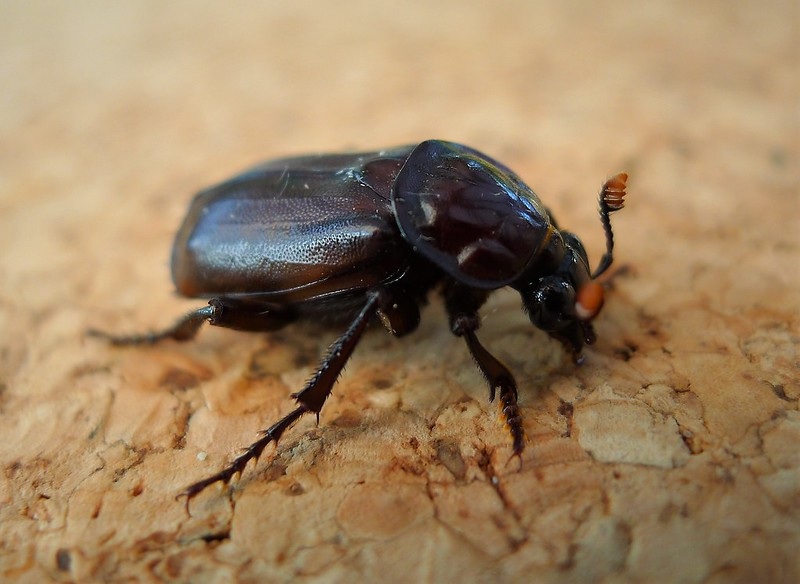
Burying beetles have some bold features that can make them stand out. Here’s how you can identify this beetle species:
- Size: Large, about a half inch long (up to 12.5 mm).
- Color: Burying beetles have large, black bodies that are often spotted with bright orange splotches. These black and orange beetles also have bright reddish-orange tips on their antennae used to smell and sense nearby food sources.
- Body shape: Rounded, flat body with distinctive club-like antennae.
- Wings: Burying beetles can fly and have elytra (shell-like forewings) that widen at the end of their body.
Why are they called burying beetles?
Burying beetles get their name from their unique feeding behavior. When they’re ready to eat, burying beetles seek out decaying vegetation and carrion. Their food sources can range from small rodents to large birds, and these insects are capable of detecting a fresh carcass as quickly as one hour after the animal dies. If the dead animal is small, burying beetles will keep it for themselves to have as a meal. But when a large animal dies, they must use their burying capabilities to preserve the body underground.
Even though these insects are dwarfed in comparison to their food source, they use their long, brush-like claws to burrow deep and push out dirt and soil from underneath the body. Once it has been properly buried and is within the burying beetles’ “nesting chamber,” the burying beetles will begin to remove all hair, skin, and feathers from the animal’s body. They then coat the body in a variety of fluids that help preserve the body.
Burying beetle lifecycle and reproduction
The burying beetle life cycle is closely tied to how they feed. The bodies they feed are transformed into nesting chambers. Learn about the burying beetle lifespan and how burying beetles reproduce:
- Lifespan: Burying beetles that reach adulthood live about 12 months.
- Reproduction: A female burying beetle will lay her eggs in the nesting chamber after mating.
- Life cycle stages: Burying beetles have four stages in their life cycle: Egg, larva, pupa, and adult.
- Egg: After eggs are laid, they can take just four days to hatch.
- Larvae: As larvae they feed on the dead meat that is left by their parents. This part of their life cycle lasts less than two weeks.
- Pupae: Larvae burrow in the ground and enter their pupal phase.
- Adult: New adults emerge and stay in the soil through winter. In the summer, they emerge to feed and reproduce.
Though this feeding habit may seem like something out of a horror movie, burying beetles are beneficial and can be thanked for reducing the number of decaying animal carcasses we have laying in our backyards, parks, and other outdoor areas.
Where do burying beetles live?
Bury beetles prefer heavily wooded or grassy areas where dead animals are more likely to be found. These insects are most active at night and when the temperature is at least 60 degrees Fahrenheit or higher. This makes warm summer nights the most common reproductive season for these insects.
Though species of the American burying beetle or American carrion beetle were once found in most areas of the United States and parts of Canada just over a century ago, agricultural farming has made them endangered. Farmlands that were once hotbeds for ideal American burying beetle food have since become overdeveloped, which has resulted in fewer prey living in these areas.
Can burying beetles enter your home? It’s not likely, but possible. Burying beetles are attracted to light and can come indoors through poorly sealed doors or windows. If you bring outdoor materials inside, like firewood or outdoor furniture, it’s possible for them to travel along into your home.
Are burying beetles dangerous?
Burying beetles themselves are not dangerous, but some of the bugs they carry can be a nuisance. For example, burying beetles have a symbiotic relationship with mites. Burying beetles act as a form of transportation for the mites. The mites help eat fly eggs and larvae, and other microbes found on the animal carcasses. The mites may also eat burying beetle eggs and therefore decrease the beetles’ survival.
You may have heard that some mites can transmit disease pathogens. While there may not be research regarding the specific mites associated with burying beetles, you are not likely to come across the mites or the beetles. As mentioned previously, burying beetles are endangered and have a very small range. If you do come across one, they are not likely to interact with or bite you.
Unless you live on farmland in states like Texas, Oklahoma, Nebraska, or Arkansas, it’s unlikely you’ll ever encounter a burying beetle. These endangered insects are essential to our ecosystems and should not be harmed or disturbed. If you see one, take a photo, note the location, and submit it to your local University or extension office.