Home Garden
What are powderpost beetles, and how can I identify them?
Think you’ve found powderpost beetle damage? Learn how to identify the beetle and its signs.
Updated: June 30, 2025
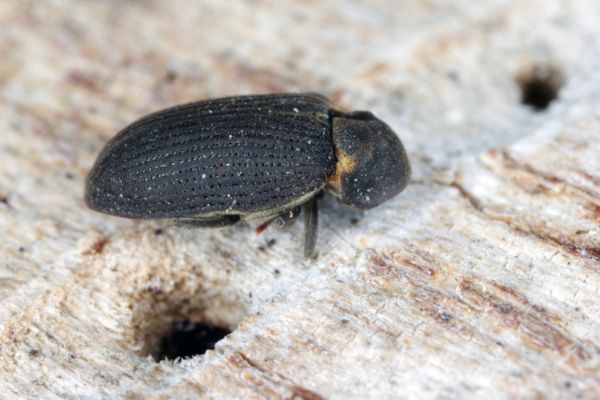
Ever spotted tiny holes or fine, dusty powder near your wooden furniture or beams? You may be looking at the work of powderpost beetles. “Powderpost” is the descriptive name given to several different species of wood boring beetles, including insects from the Lyctidae, Anobiidae, and Bostrichidae families, that can infest homes. These beetles lay eggs in the wood, and their larvae tunnel through it as they feed, weakening it from the inside out. In this article, we’ll walk you through how to spot powderpost beetles, the damage they cause, and what you can do about it.
Identifying powderpost beetles
While powderpost beetles include multiple beetle species, there are still characteristics you can watch out for to identify this pest. Here are the common traits of powderpost beetles:
- Size: Small, ranging from one-eighth to three-fourths of an inch long.
- Color: Black or reddish-brown bodies.
- Body shape: Varies by beetle species. Powderpost beetles can have a slender and flattened appearance or cylindrical bodies.
- Wings: Powderpost beetles can fly and have two sets of wings.
Signs of powderpost activity and infestation
Think powderpost beetles may be damaging wood in your home? It helps to know what to look for. Here are some common signs of powderpost beetle activity:
- Fine, powdery frass (wood dust) near wooden surfaces, frass can be like flour or gritty like cornmeal
- Tiny, round exit holes in wood
- Damaged or weakened wood, such as flooring, furniture, or beams
Wood boring beetles like powderpost beetles are attracted to untreated or damp wood, which can unsuspectingly be brought into the home in items like infested furniture or lumber. High humidity can worsen infestations by creating ideal conditions for larvae. You are most likely to find powderpost beetles in spaces like basements, attics, crawl spaces, or any area with exposed wood.
What kind of damage do powderpost beetles cause?
Powderpost beetles may be small, but they can cause serious trouble for homeowners. Different species of powderpost beetles feed on different types of wood and damage property:
- Softwood damage: Powderpost beetles from the Anobiidae family are more likely to damage softwoods like pine.
- Hardwood damage: Powderpost beetles from the Lyctidae family are known to feed on oak, ash, walnut, bamboo, and hickory. Beetles from the Bostrichidae family can also damage hardwood, but are less common.
- Tiny holes: Powderpost beetles create exit holes on the surface of the wood they infest.
- Weakened structure: These pests can reinfest the same piece of wood or furniture, damaging its structural integrity.
- Variety of property damage: Structures vulnerable to powderpost beetle damage include softwood for home framing, wood paneling, crown molding, window and door frames, plywood, hardwood floors, or furniture.
Most standard home insurance policies do not cover damage from pests and vermin like powderpost beetle damage. This can put homeowners in a tough spot if they have serious damage caused by something like a powderpost beetle infestation. Treatment from pest control professionals can help you prevent serious home damage in the first place.
Are powderpost beetles dangerous?
Powderpost beetles are not considered harmful to people or pets. They primarily feed on wood and aren’t likely to bite. The real concern is powderpost beetle damage to wood, which can lead to costly repairs if left untreated.
Powderpost beetle damage vs. termite damage
Powderpost beetles and termites both feed on wood, but their damage can look different. Termites eat wood from the inside out and will leave behind a thin outer shell. Powderpost beetles lay their eggs in wood, and the larvae eventually tunnel through it as they develop into an adult.
You can tell the difference by looking for these signs:
- Termite damage: Rows of hollowed-out wood and mud tubes that termites use to get to their food source.
- Powderpost beetle damage: Clusters of tiny holes in wood and piles of fine sawdust (frass) near the surface.
Powderpost beetle behavior and habitat
Powderpost beetles are most active in the spring and summer and will overwinter in wood when they are inactive. Depending on the type of powderpost beetle, they can be found across the southern and coastal United States.
Life cycle and reproduction
Powderpost beetles both feed on and lay their eggs in wood. Learn about their life cycle and how long these pests can live in your home:
- Lifespan: Powderpost beetles can live anywhere from two to five years.
- Reproduction: Female beetles lay their eggs in the pores and cracks of untreated or unfinished wood.
- Life cycle stages: Powderpost beetles go through four stages: egg, larva, pupa, and adult.
- Egg: Powderpost beetle eggs can hatch in a few weeks.
- Larvae: Larvae tunnel through the wood, feeding and causing damage.
- Pupae: After feeding, larvae become pupae and prepare to transition.
- Adult: Adult beetles tunnel out, leaving behind tiny round exit holes, and start the cycle over again.
Powderpost beetle treatments
Powderpost beetles can be tough to eliminate because they hide deep inside wood, making DIY treatments unreliable. A professional, like a Terminix technician, can accurately identify the problem and treat infested areas you might miss. Still, there are preventative steps you can take to help keep this pest away.
Prevention tips:
- Seal or finish exposed wood
- Keep firewood and lumber off the ground and away from your home
- Check used or antique furniture before bringing it inside
What to do if you suspect an infestation:
- Remove or isolate infested wood if possible
- Reduce humidity with fans or dehumidifiers
- Clean frass and watch for new signs of activity
Need help dealing with powderpost beetles? Schedule a professional inspection with Terminix to help protect your property today.