

What do fleas eat? Are you on the menu?
Fleas are small, wingless, parasitic insects known for their ability to jump long distances and their irritating bites. As external parasites, they rely on a host to survive, but unlike some pests that feed on waste or crumbs, a flea’s diet is more specific. Now you’re probably wondering, “What do fleas eat?”
Adult fleas feed exclusively on the blood of mammals, using their specialized mouthparts to pierce the skin and draw blood. This diet provides the nutrients fleas need to reproduce and continue their lifecycle, making blood meals critical to their survival.
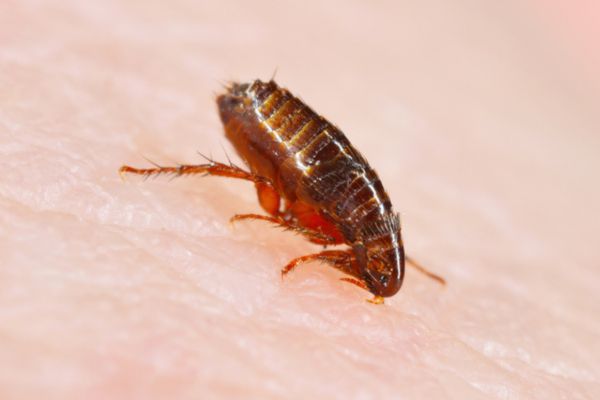
Fleas’ preferred blood hosts
So, what do fleas eat? Fleas commonly feed on warm-blooded animals, with their preferred hosts depending on the species. The most frequent targets in homes are cats and dogs, but will fleas bite humans? They can, especially if their preferred hosts aren't available.
In the wild, a flea's diet can consist of mammals like raccoons, opossums, rodents, foxes, and birds. Despite common myths, there’s no scientific evidence that fleas prefer specific blood types. They’re opportunistic and will feed on what’s available when hungry.
Will fleas eat something other than blood?
A flea’s diet is very particular. Adults feed exclusively on blood. They do not eat plants, pet food, or other household materials. On the other hand, flea larvae have very different dietary needs. They do not feed on blood directly and instead consume organic debris found in their environment, most commonly flea dirt, which is the dried feces of adult fleas made up of digested blood.
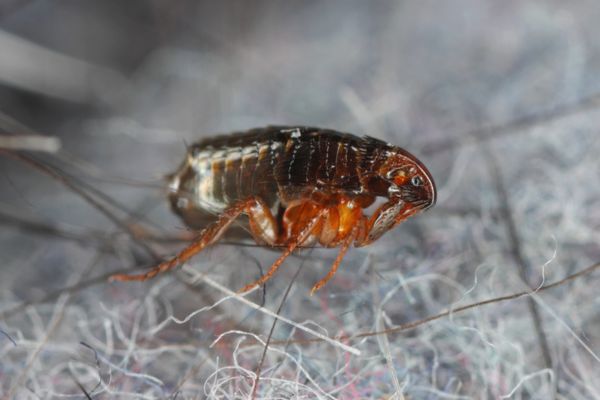
How fleas bite and feed on their hosts
Fleas have specialized mouthparts designed to pierce skin and suck blood. When a flea finds a host, it uses these parts to cut into the skin and feed on blood, like a tiny needle. As it feeds, the flea injects saliva that prevents blood from clotting, which can trigger itching and irritation.
Fleas will often bite multiple times, especially if they’re disturbed or looking for the best spot to feed. Fleas biting humans are not just a nuisance; they can also transmit diseases. Fleas are known carriers of illnesses like murine typhus and the plague. They can also spread tapeworms to pets if ingested during grooming.
Why do fleas eat blood?
To understand flea behavior, it’s important to know what fleas eat and why blood is essential to their survival. Fleas feed on blood because it provides the nutrients they need to survive and reproduce. Blood is rich in proteins that support energy, growth, and egg production. Adult fleas cannot lay eggs or sustain themselves long-term without regular blood meals.
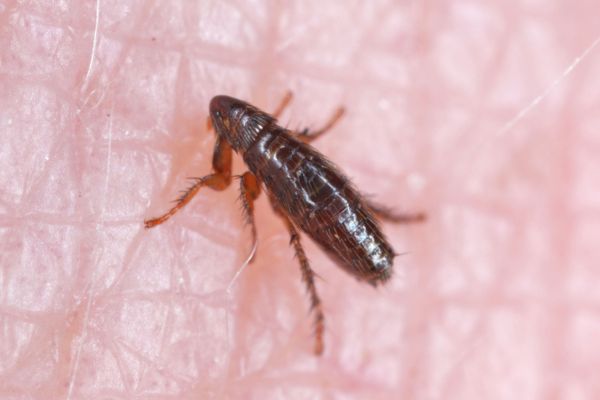
How long can a flea survive without blood?
Adult fleas typically need a blood meal within a few days of emerging to survive and reproduce. However, they can live one to two weeks without feeding in favorable conditions. Once they've fed, they generally need to eat every one to two days to remain active and fertile.
In the right conditions (warmth, humidity, and access to food), flea eggs can survive for several days, larvae can survive for five to 20 days, and pupae can remain dormant in their cocoons for several weeks to even months. This extended survival time is one reason flea infestations can persist.
How can I help prevent flea bites?
Fleas can be difficult to eliminate once they’ve settled in, so prevention is key. Here are a few proactive steps home and pet owners can take to help keep fleas out:
- Vacuum regularly, especially carpets, rugs, furniture, and pet bedding, to remove flea eggs and larvae.
- Wash pet bedding and blankets in hot water frequently.
- Use veterinarian-recommended flea prevention treatments on your pets year-round.
- Inspect pets after outdoor activities, especially during warm months, and look for signs of itching or flea dirt.
- Avoid bringing used furniture or rugs indoors without inspecting them for pests.
- Check for wildlife (racoons, opossums, squirrels) living under your crawlspace or in your attic.
While fleas typically prefer animals, fleas biting humans isn’t uncommon in homes with pets, making professional treatment essential. At Terminix, we understand how frustrating a flea infestation can be. From eggs to adults, our expert technicians offer targeted flea treatments that can help eliminate and prevent these pests indoors. Whether you’re dealing with a current infestation or seeking prevention, we’re here to help. Schedule your free pest inspection today!