Flies
Tips for getting rid of and preventing fruit flies
Dealing with these minuscule pests? Here are some ways you can get rid of fruit flies.
Content Update: October 2nd, 2025
Key takeaways
- Fruit flies reproduce rapidly, making it easy for an infestation to escalate.
- Fruit flies are drawn to sugary and fermented substances, and they tend to breed in moist and damp areas.
- To kill fruit flies, both homemade and store bought traps have the potential to be effective—though, depending on the severity and the location of the infestation, certain solutions may be more effective than others.
- Keeping your living space clean and free of decaying organic matter is one of the most effective ways to prevent fruit flies from ever becoming a problem.
Jump to section:
- Where do fruit flies come from?
- How to get rid of fruit flies
- How to keep fruit flies from coming back
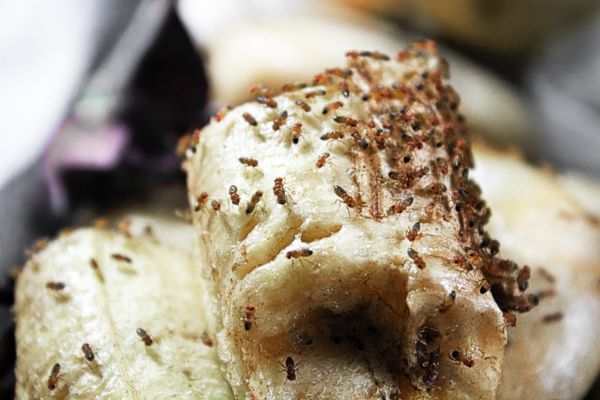
When it comes to flies, fruit flies are some of the most irritating ones around. A female fruit fly can lay anywhere from 50 to 500 eggs at a time, or up to 1,500 eggs within a week under optimal conditions. This rapid reproductive rate means that, once they’ve established themselves within your home, it’s a simple matter for their populations to explode.
Nobody likes encountering a fruit fly infestation. So, if you’re dealing with these miniature pests, here’s what you should know about getting rid of them.
Where do fruit flies come from?
Fruit flies can enter homes through a variety of means, including:
- Entering through open doors or windows
- Hitchhiking on contaminated produce
- Infesting garden crops or vegetation
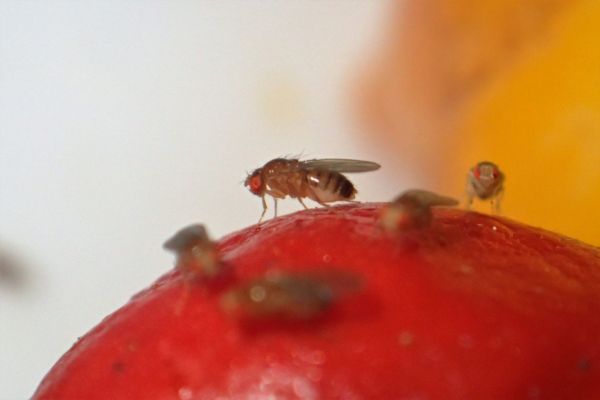
Once they’re inside, these pests will do their best to find a breeding site to begin their rapid multiplication. This often entails seeking out moist or damp areas. Fruit flies are also attracted to any environment with decaying organic matter, and are particularly drawn to:
- Overripe or decaying fruits and vegetables
- Sugary spills, including alcohol or fermenting liquids
- Trash bins, compost piles, and drains with organic build-up
As a result, you’ll most likely find them in kitchens, near potted plants or trash bins, and in areas with sinks.
How to get rid of fruit flies
When it comes to getting rid of these pests, the solution that’s best for your fruit fly infestation will depend on its severity and location.
Regular drain cleaning and maintenance
Fruit flies frequently lay eggs in drains, especially those with organic matter build-up. If you notice these insects flying out of your drains, here’s what you can do:
- Pour boiling water down the drain to flush away organic matter and kill adult flies and larvae.
- Use baking soda and vinegar to break down build-up in the pipes. Let it sit for 10-15 minutes before flushing again with boiling water.
- For extra peace of mind, you can pour half a cup of 3% hydrogen peroxide down the drain.
You can also regularly maintain and clean your drains to remove grease and other food particles that attract fruit flies.
Fruit fly light traps
These traps are devices that attract and capture fruit flies and other flying insects using UV light or soft blue light. Once the insects have been drawn into the light, they’ll get caught on a sticky surface or within a chamber, effectively trapping and removing them from your home.
These light traps are chemical-free and ideal for use around children and pets. Insects are more sensitive to light than humans, which makes the lights used by these traps a highly effective lure.
Sticky fly traps
These traps come in a variety of forms, from sheets to ribbons, and they can catch fruit flies on their sticky surfaces with ease. After a trap is filled, you can simply dispose of it and the flies that are caught in it.
These traps are easy to use and affordable. Because they are pesticide-free, they can be used around children and pets. However, their effectiveness can be limited in dark environments because they are so passive.
Homemade vinegar and soap traps
If you’re looking for a DIY solution, you can make a homemade fruit fly trap with just some vinegar, soap, and a container. Here’s what you’ll need to do:
- Pour approximately one cup of apple cider vinegar into a small jar or bowl.
- Add drops of dish soap to the container and mix well.
- Place the container in an area where you’ve seen fruit flies and wait for the trap to do its job.
Vinegar, especially apple cider variants, contains the same acetic acid that is ultimately produced in fruit fermentation. Fruit flies are drawn to the smell of vinegar, and the added dish soap in these homemade traps can break the surface tension, trapping the insects in the liquid.
Unfortunately, one major drawback of these traps is that they are completely ineffective against eggs, meaning just leaving one trap out is unlikely to completely rid your home of an infestation.
Funnel traps
Funnel traps are an alternative DIY solution that involves capturing rather than killing the fruit flies invading your home. If you’re looking to set one up, here’s what you should do:
- Cut the top third off a plastic bottle to use as a funnel.
- Invert the neck of the bottle and place it into the bottom part of the bottle to form a funnel shape. Make sure there are no gaps—secure it with tape if necessary.
- Pour apple cider vinegar into the bottle as bait for the fruit flies.
- Set the trap in an area where you’ve seen fruit flies, and let the trap do its job. Once fruit flies enter the funnel, they’ll have no way out and become trapped.
Similar to the above vinegar and soap trap, these funnel traps are completely ineffective against eggs.
Alcohol spray
Spraying fruit flies directly with rubbing alcohol or an aerosol insecticide can kill them on contact. Because this method requires direct contact with the pests, it is best used for smaller or more localized infestations.
How to keep fruit flies from coming back
The best way to prevent fruit flies from ever making a home in your house again is by taking the proper preventative measures:
- Keep your food sealed
- Clean regularly
- Maintain drains and plumbing
- Manage waste
- Seal entry points
- Inspect and wash produce
- Store fresh produce at a low temperature
Still, at the end of the day, even the cleanest of homes could one day become victim to a fruit fly invasion. If you’re dealing with a serious pest infestation, Terminix can help.