Home Garden
How to help prevent rodent car damage
Content Updated: October 6, 2025
During the colder months of the year, rats, mice, squirrels and other rodents seek out places to stay warm and safe from predators. One of their favorite places to hide out is the engine of your car. Have you ever tried to start your car after tucking it away for a few days to find that there's something wrong under the hood? When your mechanics take a look, they find damaged, frayed or broken wires that are indicative of one thing — rodents calling your car home.
Key Takeaways:
- Rodents often seek shelter and warmth in car engines during colder months, where they can cause damage by chewing on wires.
- Rodents chew on car wires primarily to keep their growing teeth from becoming too long or sharp.
- Signs of rodent activity in your car include droppings, nests, gnaw marks, and foul smells.
- You can help prevent rodents by keeping your garage clean and blocking entry points, but professional rodent control is best.
- Comprehensive auto insurance may cover rodent car damage, but manufacturer warranties typically do not.
Jump to section:
When it gets cold outside, rodents like rats, mice, and squirrels often look for a warm place to hide, and your car's engine is a perfect spot. If you've ever had trouble starting your car and your mechanic finds frayed or chewed wires, it’s a telltale sign that a furry pest has made itself at home. Thankfully, there are steps you can take for effective rodents chew to help protect your vehicle.
Rodent damage to car wiring is most common during the colder months and in vehicles parked for long periods. Garages, driveways, or other secluded areas are prime locations for this kind of damage. Keep reading to learn why rodents chew car wiring, what to do if a rodent damages your car, and if you need to contact a rat exterminator.
Why do rodents chew car wiring?
Several myths exist about why rodents chew on car wiring. One common misconception is that the wire's coating is an organic material that rodents find tasty or are attracted to an electromagnetic signal. The real reason for all the chewing is that rodent teeth never stop growing, so rats and mice have to chew to keep their teeth from getting too long or sharp.
Rodents are attracted to your car's wires because the engine compartment of your vehicle is a safe, quiet, and warm place for them to hide, and they see it as a convenient place to nest and trim their teeth. The engine wires are some of the easier things for them to get their mouths on, so they're usually the first things they chew. They may also resemble the stems of plants that rodents would chew on if they lived outside.
What types of rodents chew car wiring?
If you want to know what types of rodents are to blame for the chewing, think about which rodents are small enough to get into your engine compartment. Some of the most common problematic critters are:
These creatures may be quick to take up residence in your engine once the temperature starts going down, so be on the lookout forrodent droppings, an unpleasant smell, or scratching sounds coming from your hood.
Signs rodents are chewing on your car wires
You can often find signs of rodent activity around your car even before they do severe damage. Some common signs of rodent car damage include:
Droppings: Small, dark pellets on or around the engine block.
Nests: Shredded paper, leaves, or fabric tucked into engine crevices.
Footprints: Tiny tracks on dusty engine parts.
Gnaw Marks: Scratches or chew marks on plastic and rubber components.
Unpleasant smell: A dead rat smell can be extremely foul and indicate that a dead rodent is hidden somewhere in your vehicle.
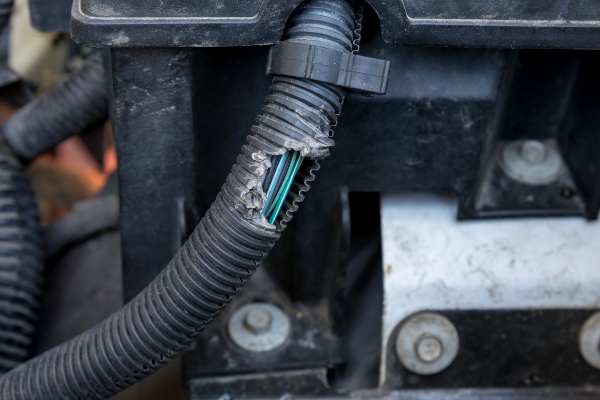
You can also identify rodent damage to your car by looking for frayed, chewed, or completely severed wires, nests, or other debris inside the engine bay or underneath your car. The damage is typically concentrated on wiring harnesses, insulation, and plastic hoses.
How much damage can a rodent do to your wiring?
Rodents can cause various problems under the hood, making repairs tricky and sometimes expensive. The most common types of rodent damage to cars are:
Hard-to-reach damage: They can chew wires in tight, difficult-to-locate spots, making the damage hard for mechanics to find and fix.
Fire hazard: Rodents often bring nesting materials like paper and leaves into the engine, which can become a fire risk as the engine heats up.
Contamination: They leave behind waste and other debris that can lead to the spread of diseases rats carry.
High repair costs: The cost of repairs can be minor or significant depending on the extent of the damage and your car's make and model.
How to help stop rodents from chewing car wires
There are several effective ways to help protect your car from rodent damage. Here are some proactive steps to help keep your vehicle protected from rodent damage:
Keep your garage clean: Remove any clutter that could be a hiding spot for rodents.
Block entry points: Seal any cracks or holes in your garage walls and doors to prevent pests from entering (remember, mice can sneak through a hole the size of a dime, and rats the size of a quarter!).
Deter them with scent: Some people use strong-smelling items like peppermint oil, dryer sheets, or even mothballs, but be aware that these are not a proven, long-term solution. The scent fades, and rodents can become accustomed to the smell.
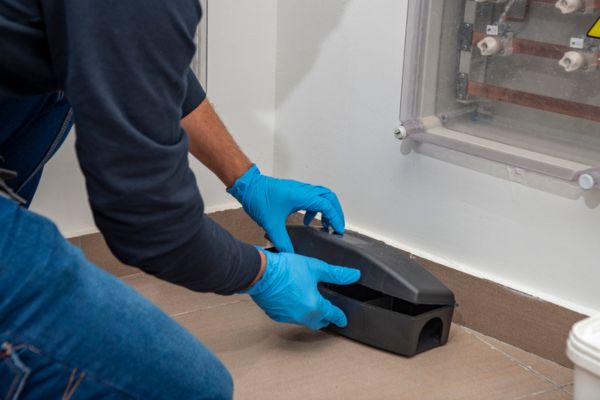
For effective long-term protection, pest control professionals can set up rodent traps and exclusion methods around where you park your car, especially if it's in a garage.
Is rodent damage covered by warranties or insurance?
If you're wondering if your auto insurance or car warranty may cover damage caused by rodents, your best bet is to check your policy. Sometimes, but not always, comprehensive insurance policies cover the cost of chewed or damaged wires. In recent years, there has been a call for auto manufacturers to cover rodent damage in their warranties, but most currently don't provide that type of coverage.
With that in mind, it's even more important to protect yourself from expensive damage by taking preventive measures, watching for the warning signs of rodents, and being aware of what rodent damage to car wiring looks like. And though we don't treat rodents in cars, if you believe you have a rodent problem in your home, then we can help. Get started with rodent control services by Terminix® today!