

What are the signs of rats in your house?
Recognizing the signs of rats in your house is crucial for several reasons. Rats can pose significant health risks through diseases like Hantavirus, Leptospirosis, and Salmonellosis and can cause extensive property damage with their strong teeth. It's crucial to act fast at the first signs of rats and address the issue promptly because rats can rapidly reproduce, making the situation escalate quickly if not managed in its early stages. With professional rodent control services, you can help prevent and control rat problems before they cause costly damage.
Signs of rats in your walls, attic, and home
If you're concerned about the possibility of rats making themselves at home in your space, there are key indicators to watch for. Signs of rats in your house can be in numerous places, from the nooks and crannies of your walls to the secluded corners of your attics. You'll rarely notice all these signs at the same time, but spotting any of them in various parts of your house should serve as a red flag. Here are some of the most common signs of rat infestations to look out for:
Rat droppings
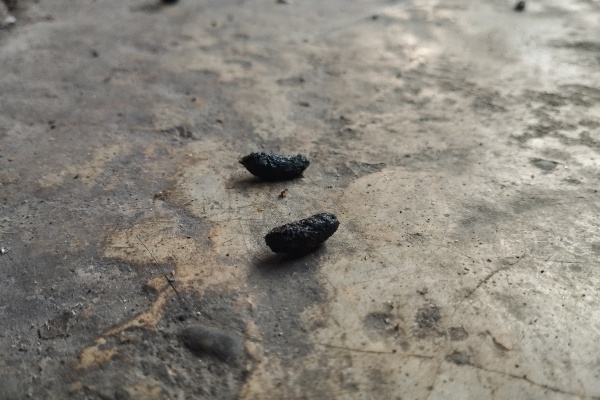
Rat droppings are larger than those of mouse droppings. They are typically about ½ to ¾ inches in length with blunt ends, compared to the smaller, pointed droppings of mice, which are about ¼ inches long. Rat droppings are usually dark brown or black, indicating a fresh presence when darker. Distinguishing between these can help identify the type of rodent problem you’re dealing with.
Gnaw or rub marks
Rats are known for their strong teeth and will attempt to chew and gnaw through almost anything, including wood, electrical cables, and plastic. If you notice jagged edges on objects, holes in walls or floors, or exposed wires, it may be a sign that you have a rat infestation. These gnaw marks can often be found in less trafficked home areas, like basements, attics, and behind appliances. Another indication of a rat's presence is the appearance of rub marks. These marks are created as the oils and dirt from the rats' fur leave a greasy residue along walls and floorboards where they frequently travel.
Scratching or scurrying noises
Scratching or small running noises in the house, especially at night when it is generally quieter, can be a sign of rats in your house. Rats can create noticeable scratching sounds with their sharp claws as they move and burrow within the concealed areas of your home, especially audible during the night. You might also hear swift, scuttling noises signaling their movement across surfaces, resembling light tapping or the rapid drumming of fingertips. These noises frequently originate from walls, ceilings, and floors as rats scavenge for food or construct nests. Additionally, it's also common to hear shrieks from rodents fighting or mating.
Rat nests
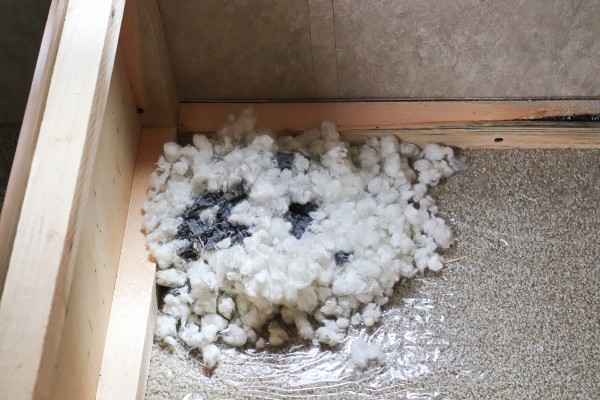
Rats are not picky about their nesting materials; they will shred anything from paper, insulation, and fabric to plant matter and bits of cardboard to build their nests. The nests usually appear as loosely organized clusters that might be hidden away in secluded parts of the house, such as behind appliances, within wall cavities, or in attic spaces. Rat nests are often large enough to accommodate adult rats and their offspring but can vary in size.
Unusual odors
Another sign of rats in your house is an unmistakably unpleasant smell that can be difficult to overlook. This smell is often described as musky and ammonia-like, similar to the odor of urine, because rats tend to urinate frequently to mark their territory. The intensity of the smell can vary depending on the size of the rat population and how long they've been present. If rats have died in inaccessible areas, the scent of decay can also add to the unpleasant aroma.
How and where do rats get into the home?
Rats are incredibly skilled at finding entry points into homes, exploiting even the smallest weaknesses in a structure's exterior. Due to their flexible skeletons, many homeowners are surprised to learn that rats can squeeze through holes as small as a quarter. These invasive rodents often enter homes through gaps around doors, windows, utility line entry points, damaged roofs, vents, foundation openings, or cracks and crevices in weakened exterior walls.
Getting rid of rats in homes
If you notice signs of rats in your house, taking swift action is critical to prevent a full-blown rat infestation. Simple preventive measures like sealing cracks and openings in the exterior of your home, storing food in sealed containers, and maintaining cleanliness can significantly help deter rats. However, despite these efforts, rats can be persistent and difficult to completely eradicate due to their ability to hide and breed in hard-to-reach places. This is where hiring a professional rodent control service becomes invaluable. Terminix pest control experts know how to get rid of rats effectively and can provide tailored advice to help prevent future rat problems.
If you spot any signs of rats, don't hesitate to schedule an inspection with Terminix!