





House Spiders
House spiders are common indoor spiders that build tangled webs in quiet corners and are generally harmless to humans.
Spiders can be a common concern for homeowners, especially when they appear indoors in corners, basements, or other quiet areas. While most spiders are harmless, some species can pose health risks due to their venomous bites. Having spiders in your home can be unsettling, whether you're dealing with harmless house spiders or more dangerous species like the black widow or brown recluse.
That’s where Terminix comes in. DIY methods may be tempting to try to resolve your spider problem quickly. Most of the time, these solutions don’t address the root cause of the infestation and only target visible spiders. Our spider exterminators can help identify spider hotspots, remove webs, and create a long-term spider pest control plan to help prevent future infestations. When it comes to protecting your home and family, trust the professionals who set the standard.
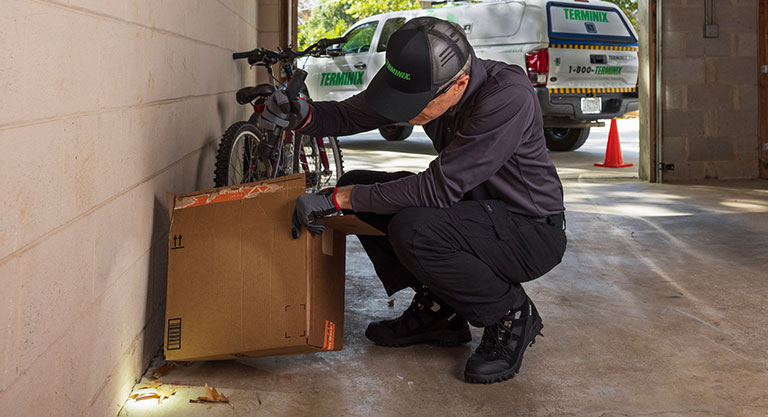
Trying to handle a spider problem on your own can be tedious and ineffective. Here’s how our spider exterminators can help get rid of spiders in your home:
Here’s what our customers have to say...
Olyphant, PA
Ordered whole house spray for carpenter bees which was very effective. Will use this service again next Spring.
3 months ago
Winter Haven, FL
I had thousands of roaches when I moved in. I couldn't get rid of them no matter what I did. Terminix solved the problem quickly and safely for my animals. I highly recommend.
6 months ago
Albuquerque, NM
I called several pest control companies in the area and found that Terminix had the best value and responsiveness for services. I was extremely pleased with the service of Jacob and Jeremiah, who came out immediately the next day to start service at my residence. I strongly and highly recommend Terminix as your next pest control company.
8 months ago
San Antonio, TX
We have had Terminix for about 4 yrs. Very happy with protection. Our dogs never had a problem with fleas. They will come out in between service if something arises. Usually its those darn wasps. Great customer service from all reps. Perla Hernandez has been our primary, she is fantastic.
3 months ago
Did you know there are over 48,000 spider species worldwide? Around 4,000 of them can be found in the United States. Spiders we commonly remove from homes across the U.S. include sac spiders, wolf spiders, orb weavers, hobo spiders, cellar spiders, and house spiders. If you spot any of these spiders in your home, it may be time to call a spider exterminator.
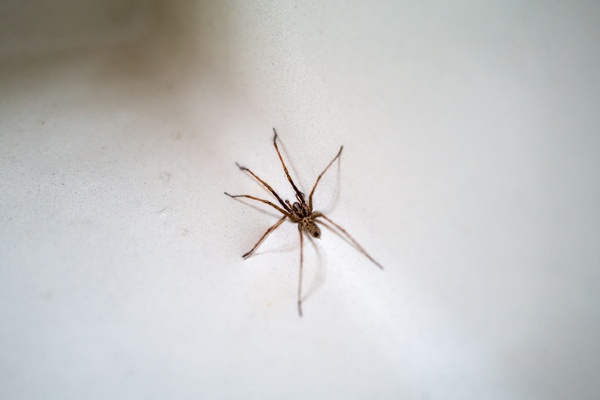
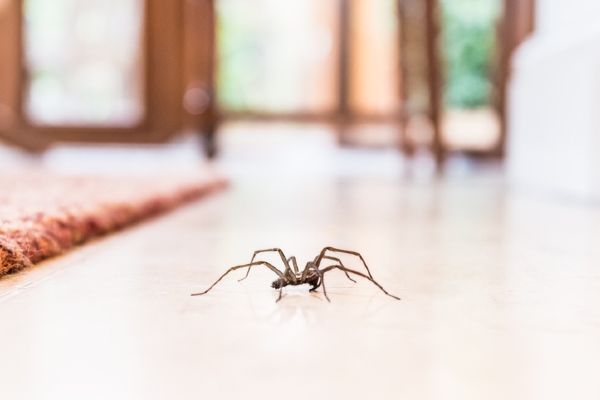
House spiders are common indoor spiders that build tangled webs in quiet corners and are generally harmless to humans.
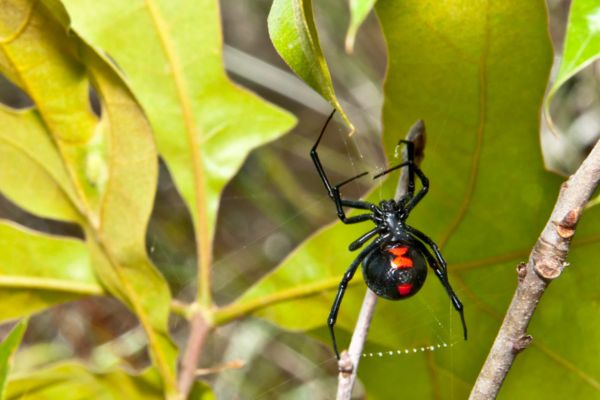
Black widow spiders are venomous arachnids known for their shiny black bodies and distinctive red hourglass marking on the underside of their abdomens.
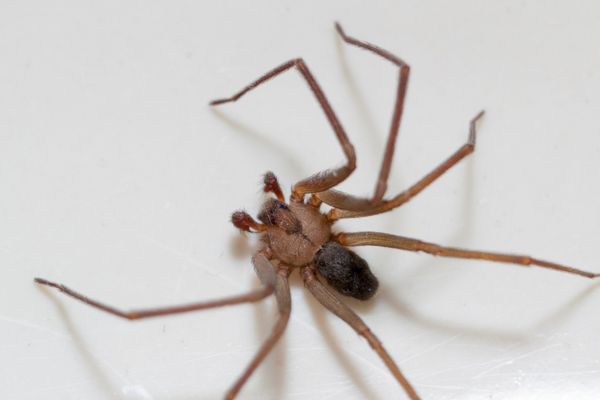
Brown recluse spiders are reclusive, venomous spiders known for the violin-shaped marking on their back. They may hide in dark, undisturbed areas in homes, such as closets, attics, and storage boxes.
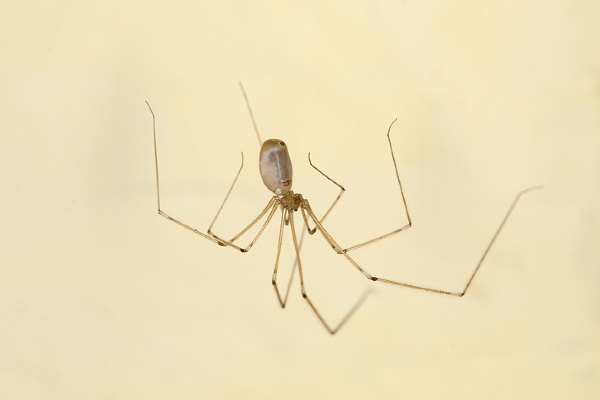
Cellar spiders, often called “daddy longlegs,” are thin-legged, harmless spiders that build messy webs in dark, damp areas like basements and crawl spaces.
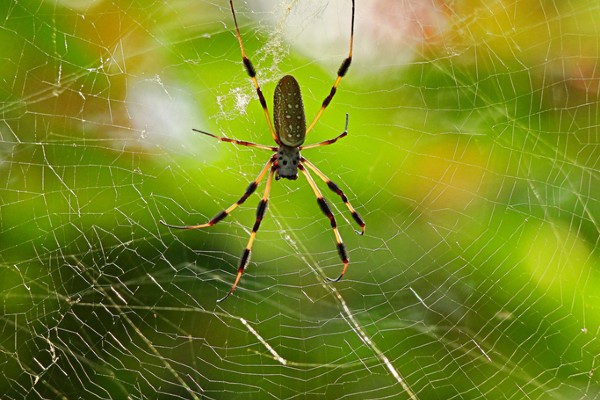
Orb weavers are harmless, colorful spiders known for spinning large, wheel-shaped webs to catch flying insects.
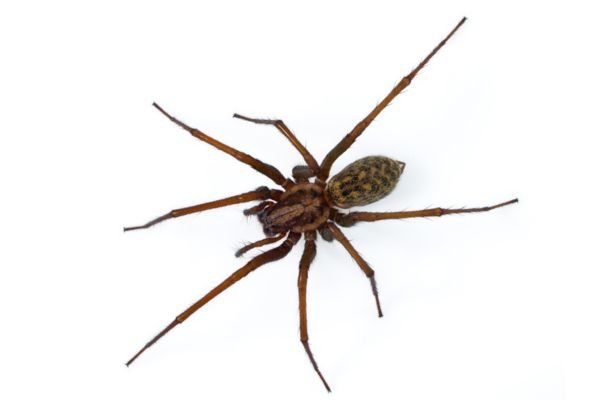
Hobo spiders are ground-dwelling spiders that build funnel-shaped webs. They typically live in fields and other outdoor areas.
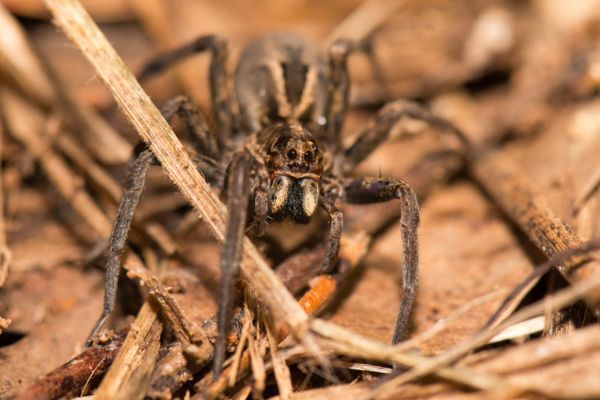
Wolf spiders are large, fast-moving hunters that don’t spin webs; instead, they chase down their prey.
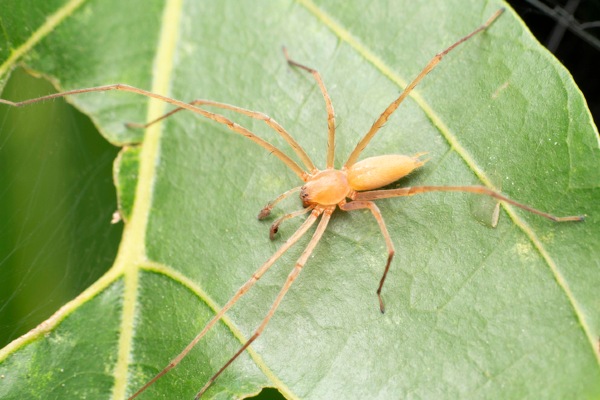
Sac spiders are small, pale-colored spiders known for building silk sacs to hide in during the day and for their tendency to bite when disturbed.
Spiders prefer to hide in quiet, undisturbed areas like basements, bathrooms, closets, and garages. They are typically drawn to homes due to:
Because they’re experts at staying out of sight, professional spider control may be needed to help locate them. Our spider exterminators can help locate hiding spots, identify the species, and recommend an effective removal and prevention plan.
Professional spider control is the most effective way to ensure proper removal, whether you're seeing just a few spiders or dealing with a larger infestation. However, there are a few tips that can help prevent spiders in your home:
For added protection, consider our ongoing pest control plan, PestFree365+. With our pest control plan, you’ll have protection from up to 39 different pests, including brown recluse and black widow spiders.
Spider control costs can vary by location, property size, level of infestation, and more. Terminix customizes your spider pest control plan to target the type of spider species infesting your property. Our technicians live in the surrounding areas and know the spiders that are specific to them. After a thorough inspection, they’ll be able to identify the spider species and put a treatment plan in place to help get rid of them. Schedule a free inspection to get started.
No, spiders are not poisonous, but most are venomous. However, venom is not always dangerous to humans. Spiders use their venom to kill their prey. A few venomous spider species are present in the United States and may seek shelter indoors. The two most venomous spiders in the United States are the brown recluse spider and the black widow spider.
Spiders can enter homes through gaps around windows, doors, and vents, but sealing these openings or replacing worn weather stripping can help keep them out. They can also hitchhike indoors by hiding in outdoor items like furniture, boxes, or firewood. Inspecting these items before bringing them inside can help prevent unwanted guests.
Attempting a do-it-yourself (DIY) or natural home remedy to remove spiders is often a homeowner’s first thought when they spot these pests, but it can cost more in the long run. To effectively remove spiders in your home, you must remove the spider, its web, and any egg sacs. It’s also important to remember that it can be challenging to determine if the spider in your home is venomous. While the chances are slim, it's best not to try your luck. Our spider pest control services can help keep spiders out of your home.
Spiders typically fall into two categories: hunting spiders and web-building spiders. Hunting spiders like wolf and jumping spiders seek out their prey and are less likely to settle indoors, but they may wander in through open entry points or during bad weather. Web-building spiders, such as common house spiders and black widows, are more likely to live inside homes, where they can build webs and stay hidden.