
Termites
Termite treatment cost: How much is termite treatment?
Updated: October 6, 2025
How much is termite treatment? Understand costs and your options.
Key takeaways
- How much termite treatment costs depends on factors like termite type, home size, construction, and location.
- Different treatments for termites include bait stations, liquid barriers, and structural fumigation to drive out colonies.
- Preventative treatments can help save money by blocking termite infestations early.
- DIY treatments are risky and ineffective compared to professional termite control.
- Terminix offers free inspections and custom termite plans backed by the Terminix It Guarantee.1
Jump to section:
- How much does termite treatment cost?
- What factors affect termite treatment cost?
- How is the cost of a termite treatment plan estimated?
- Why do preventative termite treatments matter?
- Do DIY termite treatments work?
- What is the most effective treatment for termites?
- Is termite treatment covered by insurance?
- What is a termite control plan and how does it work?
- Is termite treatment worth it?
Owning a home comes with lots of responsibilities. It's now your job to fix plumbing, repair flooring, and ensure pests, such as termites, don't wreak havoc on your house.
Your home is likely the biggest investment you'll make, so you want to protect it and treat it well. While Terminix can't help you decide whether to go with tile floors or carpeting, we do have a few insights about the cost of termite extermination and the damage an infestation can cause.
How much does termite treatment cost? Read on to understand costs and your options.
How much does termite treatment cost?
Prices will vary from one company to the next. No two homes are exactly alike, and a variety of factors can affect the price of a service. Keep reading to learn more about what could affect termite treatment prices for your home.
Related: How to Prevent Termites When Building a New Home
What factors affect termite treatment cost?
Most termite treatments are customized and their cost can vary significantly depending on these main factors:
- Type of termite
- Size of your home
- Construction type of your home
- Type of treatments needed
- Where in the country you live
Fortunately, initial termite inspections with Terminix are 100% FREE. Schedule an appointment today to get an exact quote for how much the cost of treating termites will be.
Meanwhile, let's get into the factors that affect termite treatment cost.
1. Types of termites
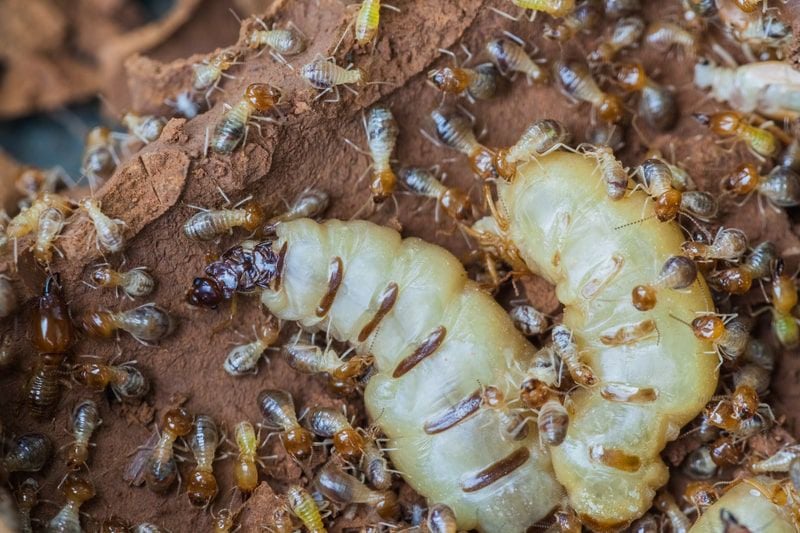
Termite treatment plan costs first depend on the type of termite that infests your home. Termite control professionals are trained to identify the types of termites in your home and create a termite control plan specific to your needs.
The most common types of termites in the United States are drywood, dampwood, and subterranean termites. Each type of termite has unique habitats and requires unique treatments to protect your home.
2. Size of your home
The cost of termite extermination depends on the area that professional exterminators need to inspect and treat. If you want to get a quote for the extermination procedure, you need to factor in your home's size and dimensions.
For example, a larger home will generally cost more to treat than a smaller home, though some exceptions may apply. To be sure, schedule a free termite inspection today.
3. Construction type of your home
The construction type of your home is also an important factor when it comes to the cost of termite treatment services. Most importantly, the foundation type of your home will determine how much it costs to treat your home for termites.
Homes with a conventional foundation (crawlspace) or a basement foundation tend to cost more than homes with a slab foundation. There are even different types of slab construction that can affect the cost of treatment.
4. Type of treatment needed
The cost may also depend on the type of treatment. Some termite treatments, like fumigation, require extensive control measures and equipment, which can increase the cost of treating termites. Other treatments, like liquid or baits, are generally less invasive and have a lower termite treatment cost.
- Liquid treatments cost: A liquid termiticide zone will be applied to the soil underneath and around the foundation of the house. This method is often used as a preventive measure to create a treated zone against termites.
- Bait treatments cost:Bait stations are placed in the ground around the home. Termites then carry the insecticide back to their colony. This method targets the entire colony rather than just the immediate area, making it an effective solution for ongoing infestations.
- Structural fumigation cost: This method involves enclosing the entire structure in a gas-tight tent and filling it with a specialized gas that penetrates all wood and hard-to-reach areas. This treatment is usually reserved for severe infestations of drywood termites.
5. Where in the country you live
Your location has a direct effect on the cost of termite treatment. In some states or regions, the price may be lower than in others. For example, termite control is sometimes easier to manage in the northeast than in the southern part of the country, where Formosan termites are more prevalent. The Formosan is a species of aggressive subterranean termite that is generally more difficult to control. They thrive in warmer climates and have been found in a number of states in the southeastern part of the country, including California and Hawaii.
How is the cost of a termite treatment plan estimated?
Your initial termite inspection cost is free with Terminix. Your quote for termite treatment cost with Terminix follows these steps:
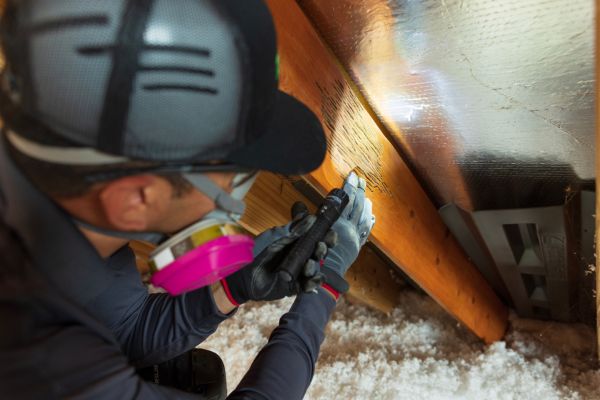
- A professional will inspect your home and outdoor property
- We check for signs of a termite infestation, identify termite species, and look for termite damage to your home
- We then provide a quote for the services you will need
Once the trained technician has inspected your home and property, they will work with you to customize a termite treatment plan that best suits your situation and needs.
Why do preventative termite treatments matter?
Preventive termite treatments can help prevent more substantial damage from an established termite infestation. When weighing the cost of preventative termite treatment, homeowners should seriously consider the potential cost of termite damage. Each year, termites cause an estimated $5 billion worth of damage in the United States alone, according to the National Pest Management Association.*
Do DIY termite treatments work?
DIY termite treatment could actually make the infestation worse. You should avoid common DIY termite treatment solutions you find online, like vinegar, rubbing alcohol, and nematodes, as these methods are ineffective. You may have some success killing the termites you treat directly, but you will have a difficult time killing the entire colony.
Treating first with DIY methods gives termite colonies the opportunity to continue to grow and cause damage to your home. If you spot signs of termite activity, it’s best to call a professional immediately.
What are common signs of termites?
Some of the most common termite signs are:
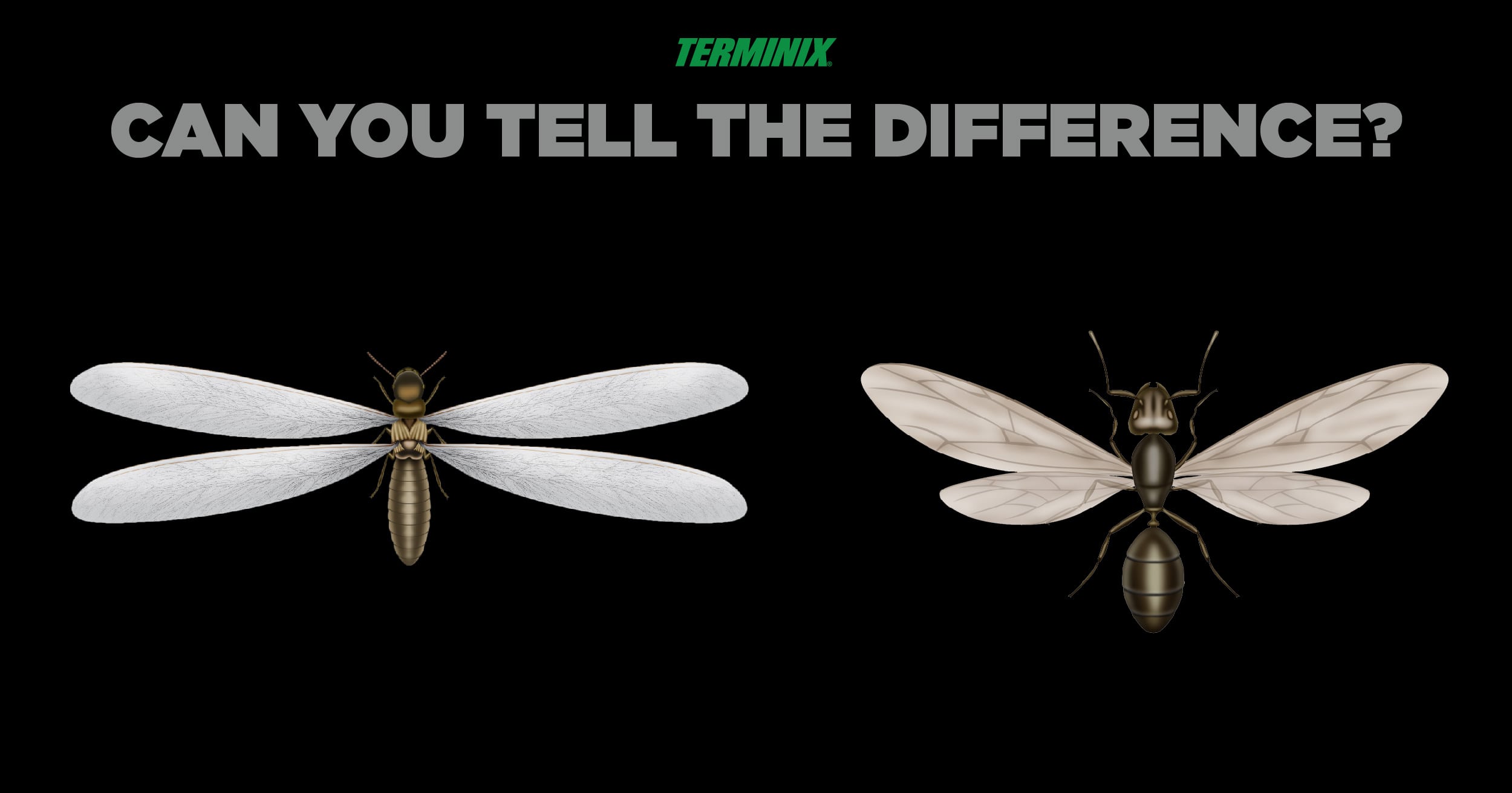
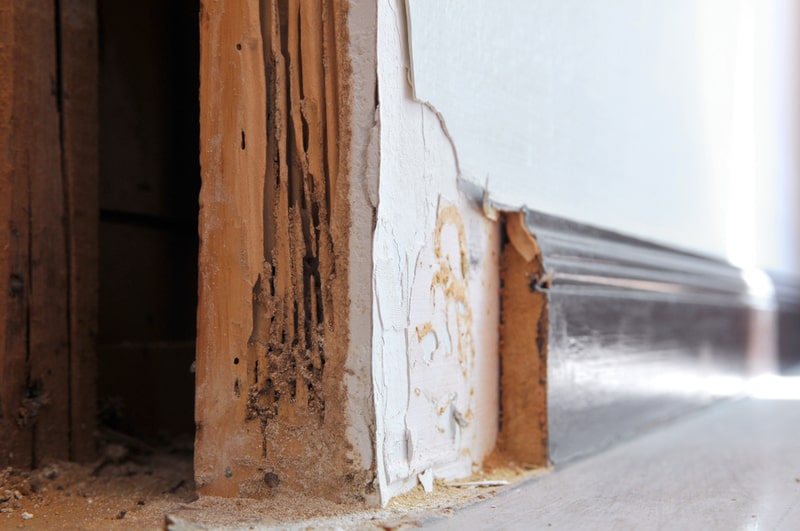
- Discarded wings
- Mud tubes
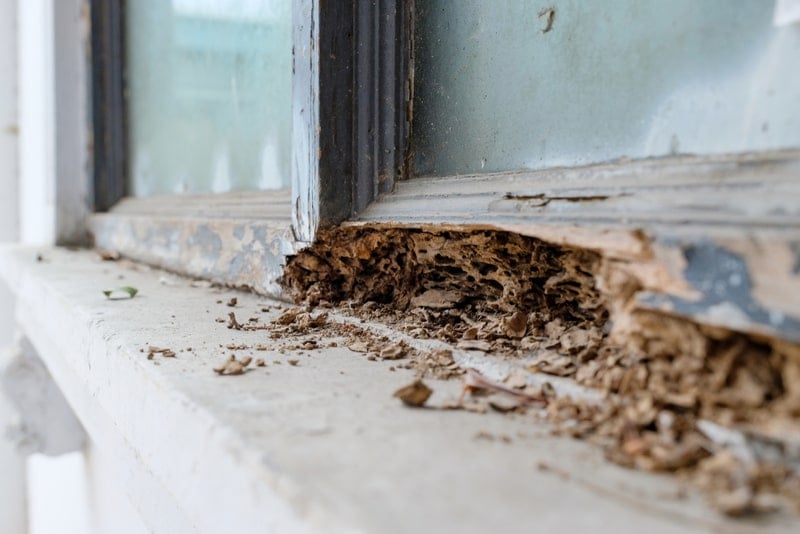
- Wood damage found below and behind surfaces
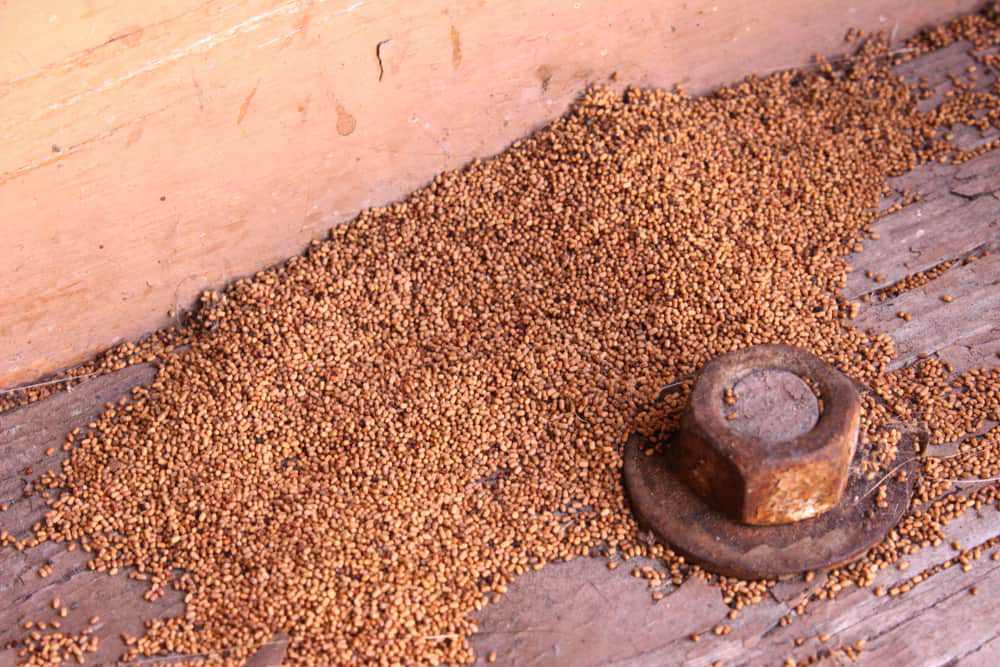
- Pellet-like termite droppings (for Drywood termites only)
- Hollowed wood
- Blisters in wood flooring
How can I prevent a termite infestation in my home?
There are some things you can do in and around your home to help mitigate the risk of a termite infestation. Termite prevention methods include:
- Keeping shrubbery trimmed at least one foot away from your home's structure
- Pointing all sprinkler heads and downspouts away from your home's foundation
- Keeping your crawl space as dry and free of debris as possible
- Use pine needles or synthetic mulch in your flower beds instead of wood mulch
- Generally maintaining your home's exterior and immediately having any water leaks repaired
What is the most effective treatment for termites?
For effective termite treatment, avoid DIY methods and instead hire a trained termite control professional. An active termite infestation can go on for years without detection. Annual inspections and preventative treatments can help you uncover signs of termite damage before it becomes catastrophic — and costly.
Is termite treatment covered by insurance?
Termite damage is generally not covered by your homeowner's insurance. Even if you don't see any signs of termite damage yet, every homeowner should arrange a termite inspection at least once a year.
What is a termite control plan and how does it work?
Terminix termite plans include annual inspections to help safeguard your property from termites. If your house qualifies, Terminix offers termite plans that can provide your home with ongoing protection from termites and the damage they cause.1 We offer plans with:
- Annual inspections from a trained termite control professional
- Termite bait station or liquid termite treatments to help protect your property
- Our Terminix It Guarantee: If termites come back, so do we1
Is termite treatment worth it?
Termite treatment is absolutely worth it compared to costly termite damage repair. And choosing a reputable termite control company can make all the difference. Terminix has long been an industry leader in termite control, being the first-ever pest control company to obtain a patent for termite control. For a job as important as termite treatment, trust the pros with over 95 years of experience.
Your home is probably the largest investment you will ever make. Termite inspections and termite prevention measures are just part of responsible homeownership and can save on costly repairs in the long run. Schedule a free termite inspection with Terminix today.
1Treatment and terms defined in your Plan. Termite species coverage dependent upon plan purchased. Limitations apply. See Plan for details.
(1)National Pest Management Association. What Is a Termite Inspection and Why Do You Need One? Accessed January 14, 2025.