Termites
What do termites do?
Content Updated: July 23rd, 2025
Key takeaways
- Termites are social insects that can work nonstop to build nests, forage for food, and reproduce.
- The most common U.S. species are subterranean, drywood, and dampwood termites, all capable of causing serious home damage.
- Only reproductive termites, called swarmers or alates, can fly. Discarded wings from swarmers are a key sign of infestation.
- Termites communicate using pheromones, vibrations, and touch to coordinate activities within the colony.
- Termites feed on cellulose from wood and other materials, making homes an appealing food source. If you see signs of an infestation, schedule a professional termite inspection and treatment.
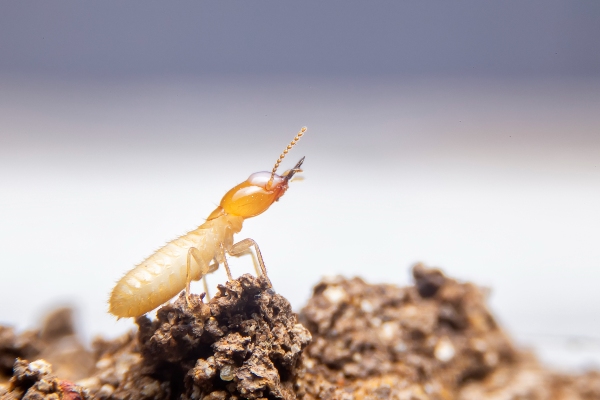
For most homeowners, Isoptera, more commonly known as termites, are unwelcome guests. These social insects within the Insecta class can wreak havoc on a structure in a surprisingly short time, including your home. As a homeowner, understanding what termites do and their behaviors and habits is crucial to help keep these pests at bay. Keep reading to learn more interesting facts about termites!
Jump to section:
- Where did termites come from?
- What do termites do?
- How do termite colonies work?
- Can termites fly?
- Why do flying termites suddenly appear in a home?
- How do termites communicate?
- What is the termite diet?
Where did termites come from?
Termites likely originated in Africa or Asia during the Jurassic or Triassic period, with the first confirmed fossils appearing in the Early Cretaceous.1 While there are about 2,000 species of termites worldwide, in the United States, there are approximately 50 species2. The most common types of termites in the U.S. are subterranean, drywood, and dampwood termites.
What do termites do?
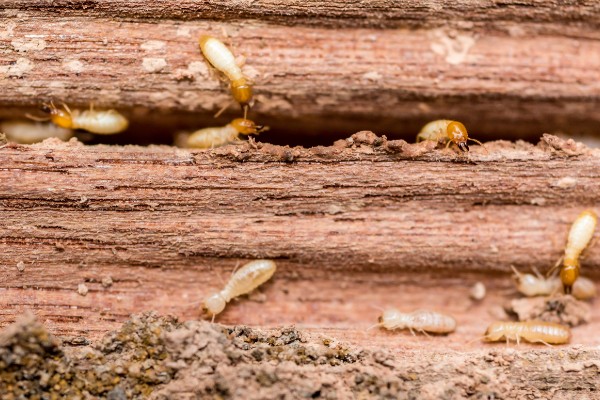
Termites are almost always active. Their primary activities include constructing and maintaining their nests, foraging for food, and caring for their young. This nonstop activity is crucial for the survival and growth of their colonies. Most termites are also essentially blind, relying on pheromones, vibrations, and chemical signals for communication and navigation rather than vision.
How do termite colonies work?
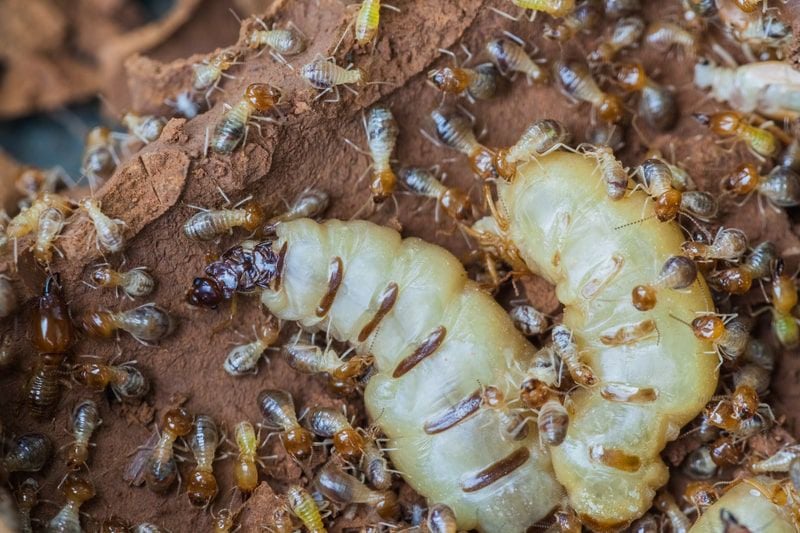
Termites live in colonies that operate under a caste system that includes workers, soldiers, and reproductives—each with specific roles:
- Worker termites make up the majority of the colony and are responsible for gathering food and maintaining the nest.
- Soldier termites are responsible for defending the colony.
- Reproductive termites, including the king, queen, and flying termites known as winged alates, are focused on expanding the colony.
The caste system helps to ensure effective resource management, defense against threats, and the continuous growth of the colony, making termites successful across diverse environments.
Can termites fly?
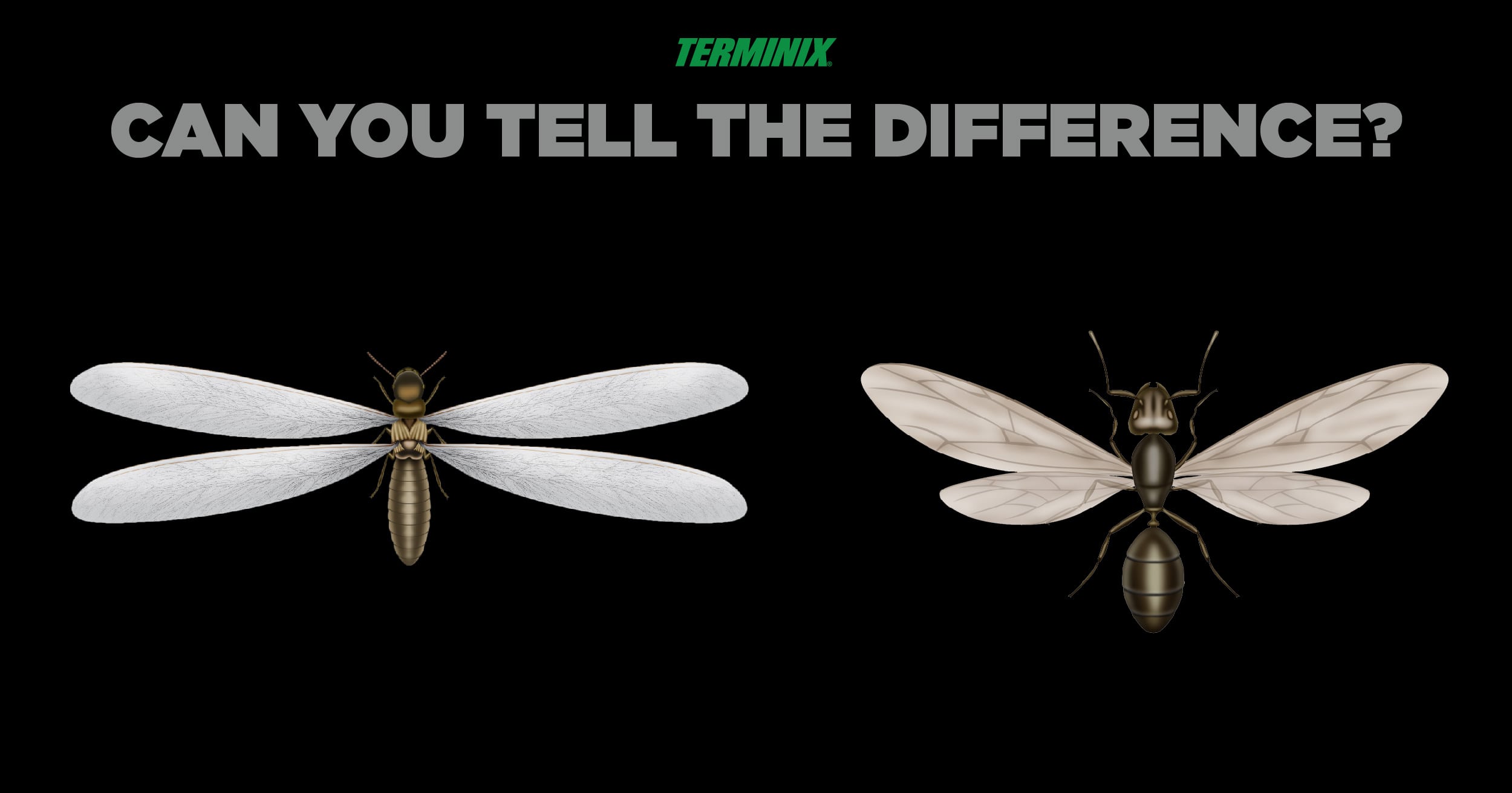
Yes, some types of termites can fly. Different species of termites can fly during their reproductive stage, but only a certain caste has wings. The three most common types of termites in the U.S.—subterranean, drywood, and dampwood—all have reproductive castes capable of flying in swarms.
These winged termites are called “alates" or "swarmers" because of the way they fly together in a group. These winged termites can only fly a short distance and during a limited time of the year. Once the winged termites land, they shed their wings, making discarded wings a telltale sign of a termite infestation.
Why do flying termites suddenly appear in a home?
Flying termites, or swarmers, can suddenly appear in a home when an existing termite colony releases them to mate and start new colonies. This happens during termite swarming season when temperatures are warmer and there is higher humidity. Seeing flying termites indoors can be a sign you need to schedule a termite inspection for an active termite infestation in your home.
How do termites communicate?
Termites communicate through chemical signals, vibrations, and physical contact. They use pheromones to send messages across the colony, such as alerting members to danger or guiding them to food sources. Vibrations and touch, particularly within their complex nest structures, play a key role in maintaining the colony's organization.
What is the termite diet?
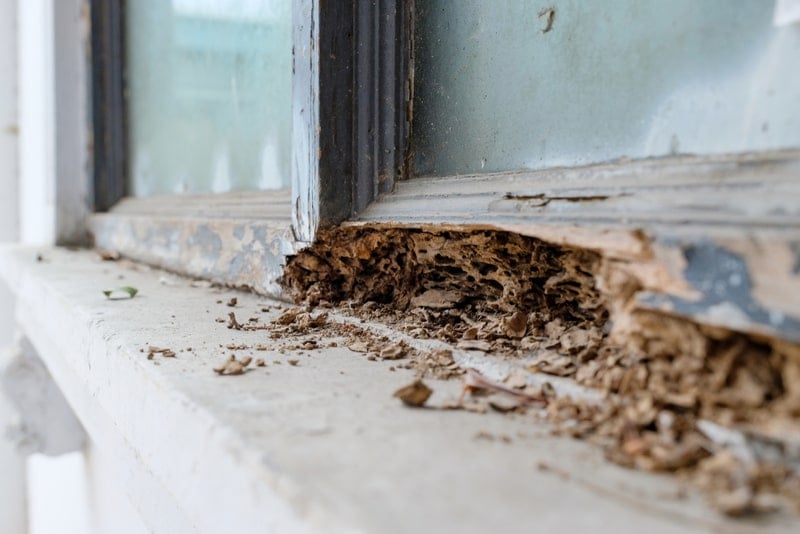
Termite habits revolve around finding and feeding on cellulose, the main component of wood. While some termite species target living trees, most are drawn to decaying wood or man-made structures containing cellulose, making them a serious threat to homeowners.
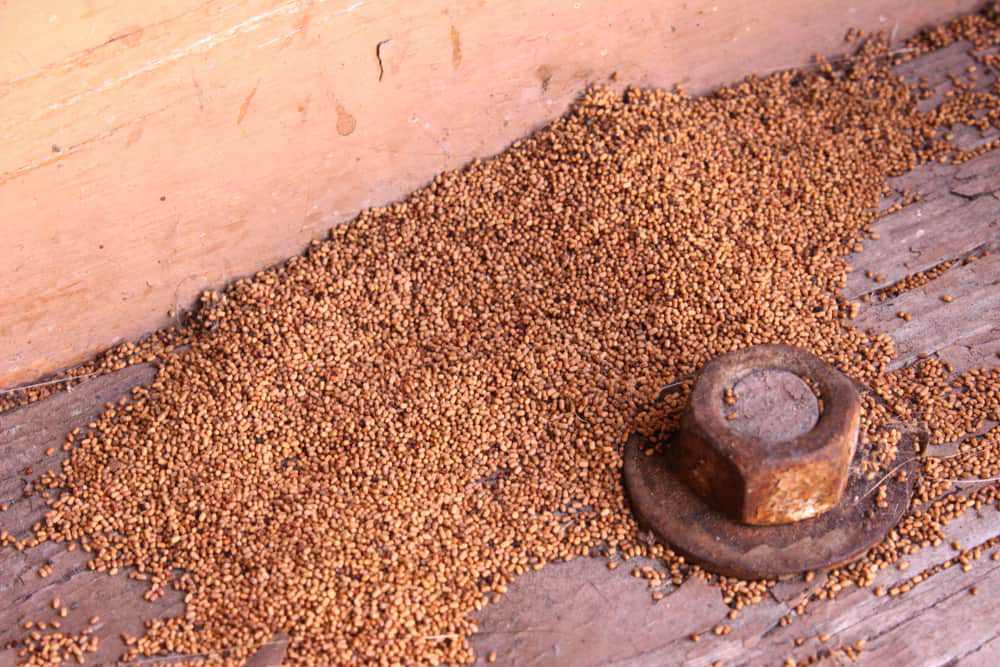
If you suspect termites are munching on your home, there are some telltale signs. Look for hollow-sounding wood, especially near foundations or around crawlspaces. Discarded wings near windows or doors after swarming season can also indicate termite activity.
If you see any of these signs, it's crucial to contact a termite control professional, like Terminix, for an inspection and treatment plan to protect your property. Contact us today to schedule a free termite inspection.
1 Information on termite history is provided from Britannica’s article on termite evolution, paleontology, and classification.
2 Information on species provided by Pest World.
Learn these termite facts