What are termite droppings?
Spot a termite infestation early. Learn how to identify frass or termite droppings.
Updated on: June 26, 2025
Key takeaways
- Termite droppings (frass) can be a sign of an infestation. Drywood Termites push out frass through small holes in wood.
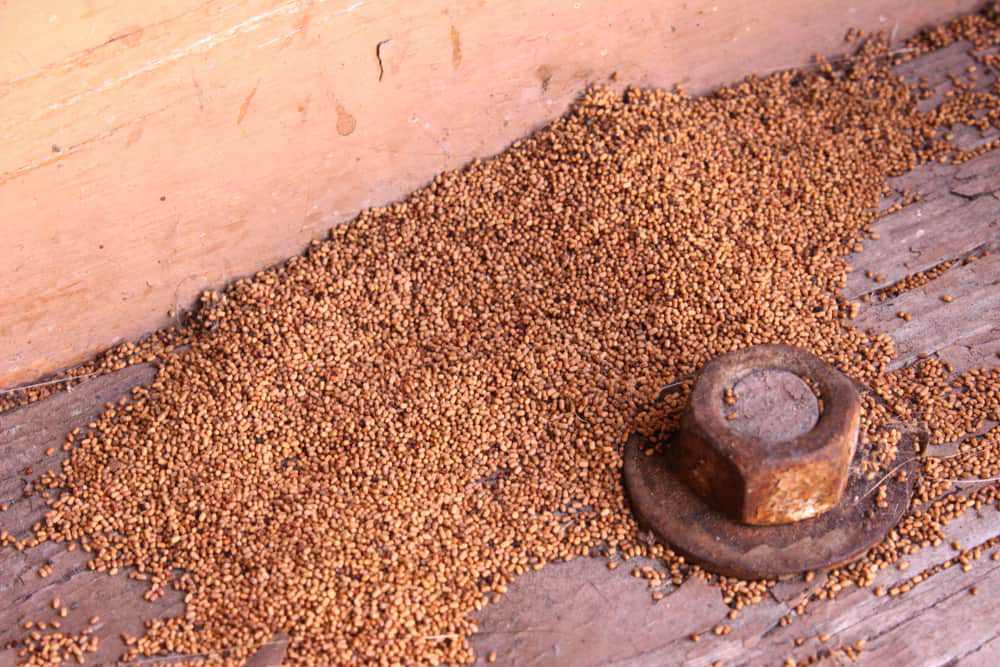
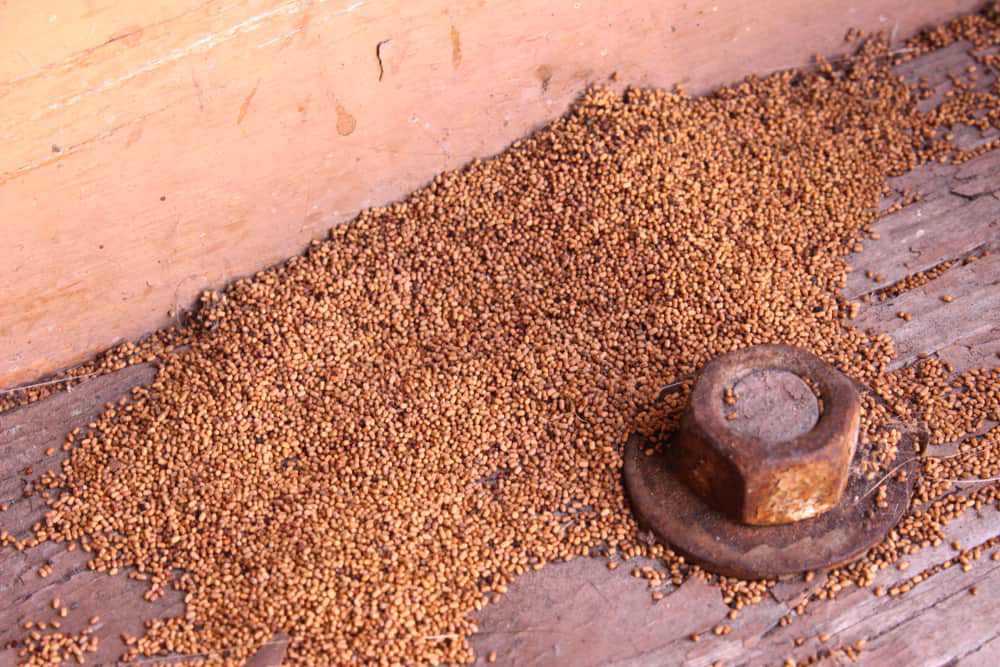
- Termite droppings are tiny, light brown to black pellets that look similar to sawdust or coffee grounds.
- Check for termite droppings near wooden floorboards, window sills, carpets, porches, attics, and crawlspaces.
- Termite droppings are not harmful, but are a sign you should call for a professional termite inspection and treatment plan.
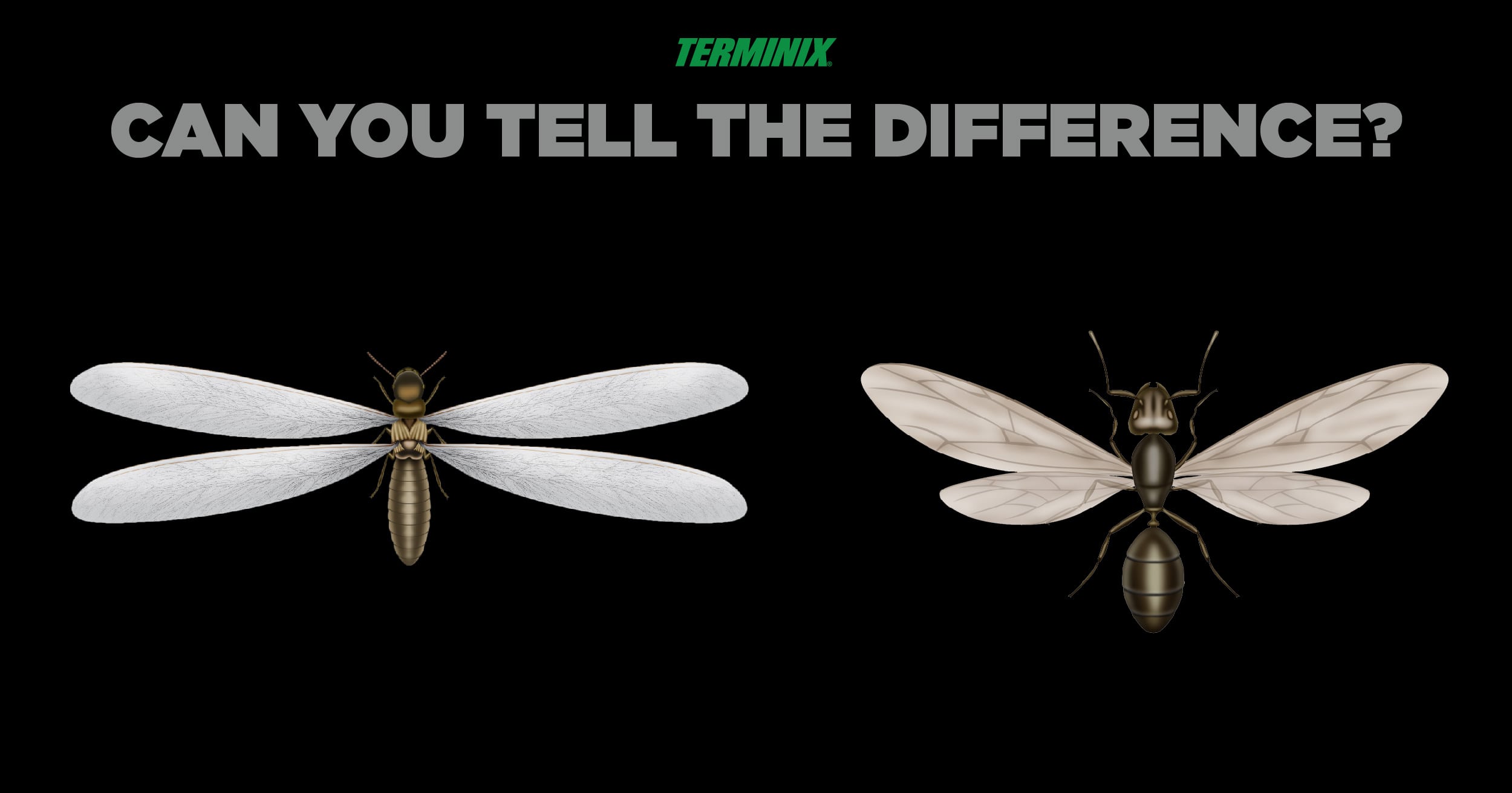
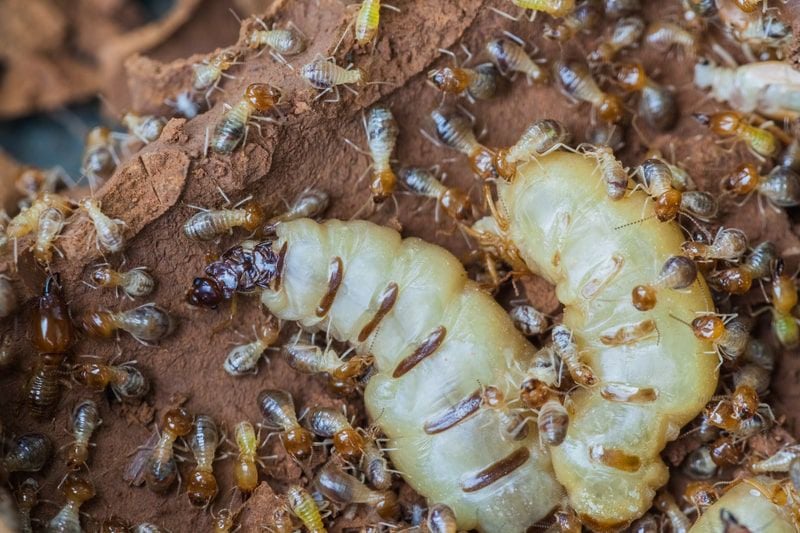
Drywood termites can cause significant damage for many homeowners. Unlike their subterranean counterparts, drywood termites don't nest in the soil. Instead, they fly into your home and start new colonies, nesting in the wood in your home, including furniture.
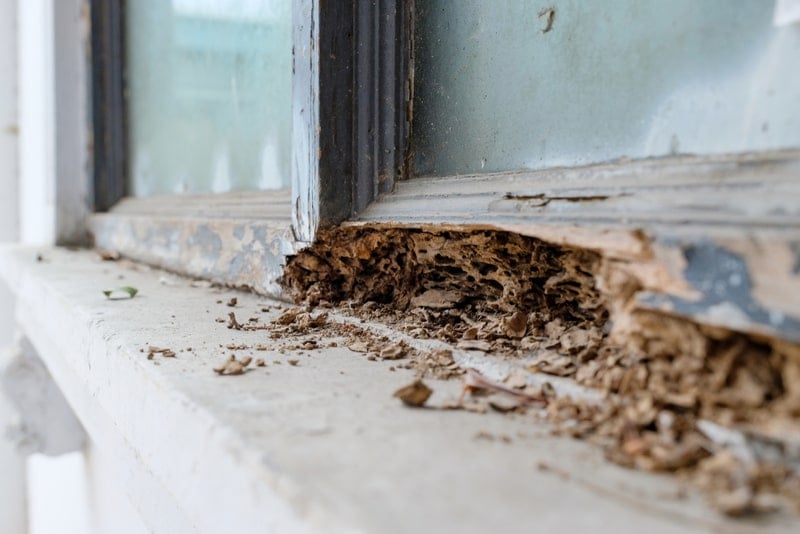
One sign that you might have drywood termites in your house is finding termite droppings or frass (also commonly referred to as “termite poop" or fecal pellets). Since drywood termites live inside of wood, they have to find a place to deposit their droppings. To “flush" these droppings away, drywood termites chew “kick-out” holes so they have an opening to push out their frass.
Jump to section:
- What do termite droppings look like?
- Where are common places to find termite droppings?
- Are termite droppings dangerous?
- What should I do if I see termite droppings?
What do termite droppings look like?
Termite droppings (frass) look like tiny, rounded brownish pellets. Each piece of termite frass is just a fraction of an inch, a little larger than a grain of sand — making identifying termite droppings tricky. You would need a magnifying glass to see an individual termite dropping, but it is easier to spot piles of frass collected outside of their kick-out holes.
Below is a list to help in identifying termite droppings. Termite droppings are:
- Typically no larger than 0.04 inches long
- Light brown to black in color
- Oval-shaped with six concave sides and rounded ends
- Resemble coffee grounds or sawdust, and are very hard and dry
Where are common places to find termite droppings?
Termite droppings can be found near places termites nest. For drywood termites, droppings are usually found on the floor outside of kick-out holes. Some of the most common places to find termite kick-out holes are along wooden floorboards, on carpeting, on wooden porches, and on window sills. You may also want to inspect corners of rooms for termite frass, your attic floor, and any crawlspaces.
Are termite droppings dangerous?
Termite droppings are not dangerous. Seeing termite droppings in your home could indicate a much bigger problem since they are a common sign of a termite infestation. If you see termite droppings but no termites, the termites themselves may be feasting on the structure of your home.
What should I do if I see termite droppings?
Schedule a professional termite inspection if you see signs of termites , like frass or termite droppings. Pest experts are better equipped to identify the type of termites on your property and to help remove an infestation. Depending on the type of termite you're dealing with, their droppings may look different. Generally, these droppings are very small and can vary in color or shape depending on the wood they are eating. This makes it hard for homeowners to recognize the signs.
Be aware that it is possible that termites could be nesting in your home that you cannot see — and causing destruction — for years without leaving any traces. Because of this, it's important to have a termite protection plan that includes regular inspections. If you see any signs of termites, get started with our termite control services!