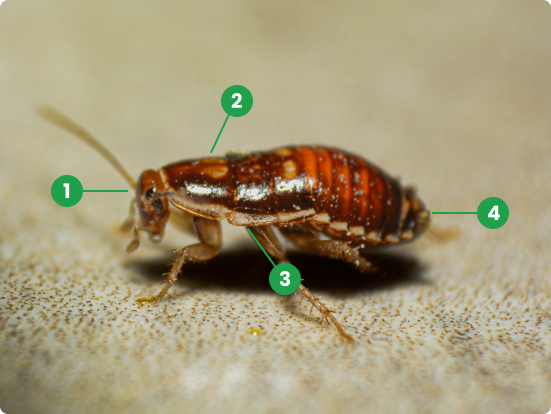
At a Glace
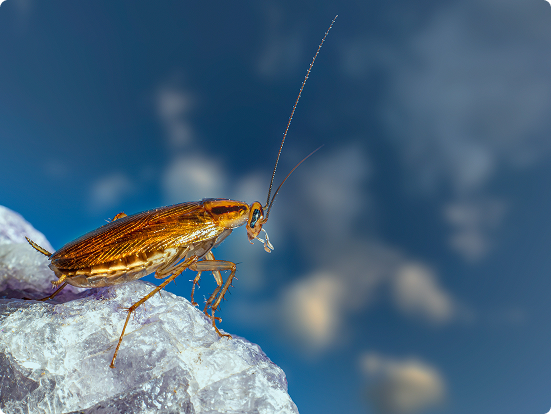
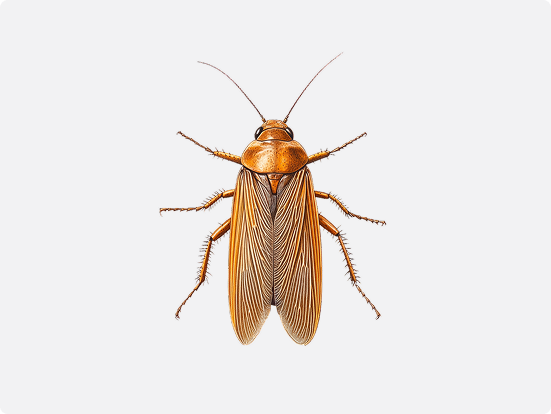
- ColorReddish-brown to black
- Size12mm - 50mm
- WingsVaries by species
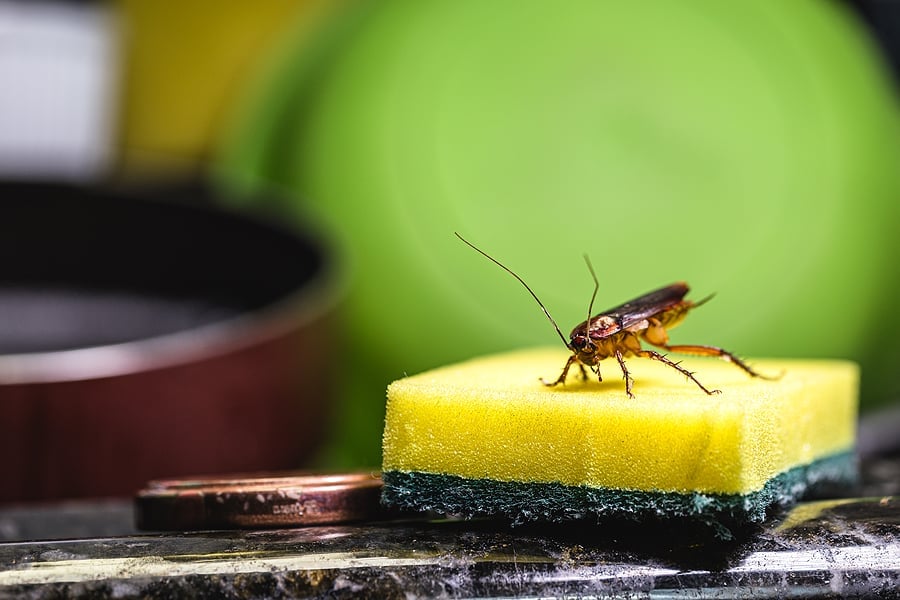
Roaches can bite people, but it is rare and typically not harmful. However, they are able to pass harmful pathogens and can be troublesome for people with asthma.
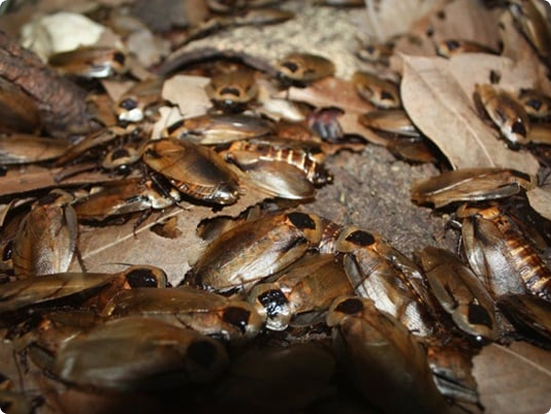
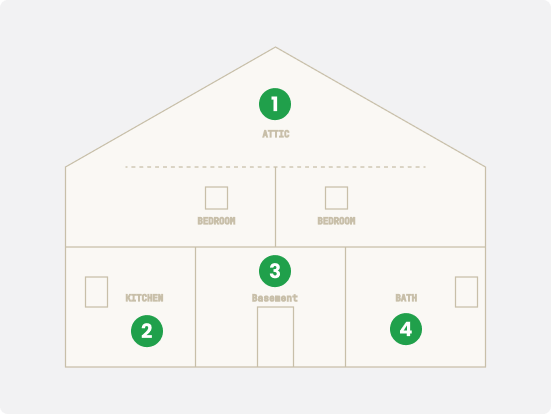
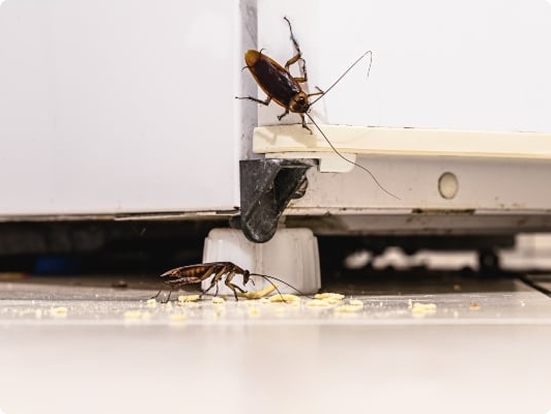
It’s difficult to find roach nests because they remain out of sight. Usually behind refrigerators or near plumbing.
Cockroach season typically begins when the weather changes from cool to warm, in the spring into the summer, but it depends on where you live. In areas like Florida and Texas, they can be active year round.
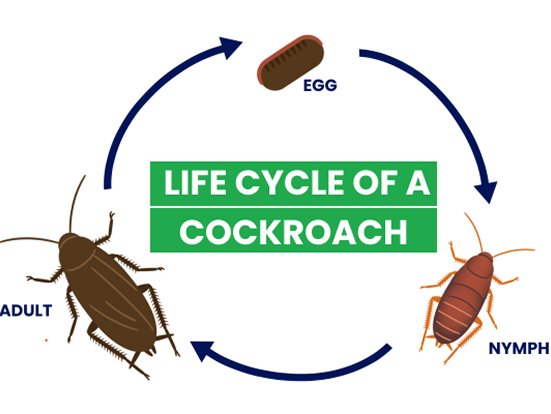
There are three main stages in the cockroach lifecycle where cockroaches start as eggs, develop into nymphs, and mature into adults. Take a look at each stage here.
Knowing your enemy is the first step, but you can also take some steps on your own to combat cockroaches.
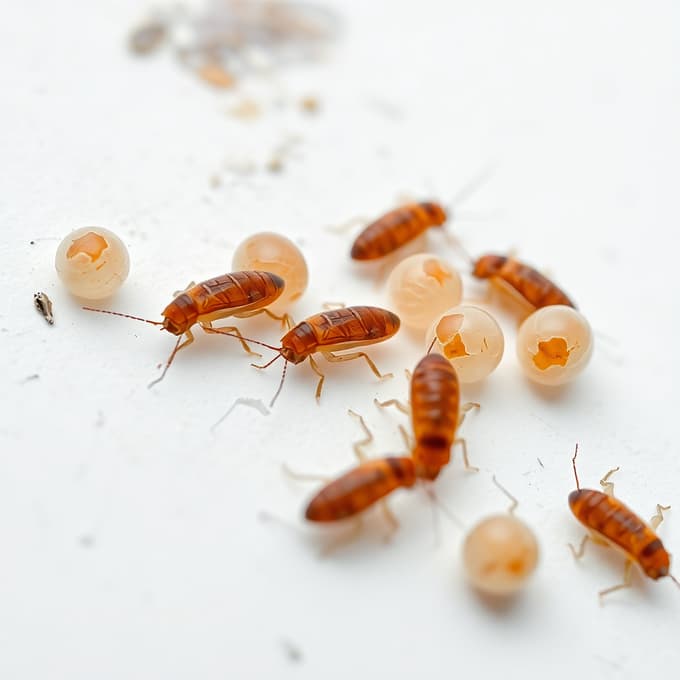
Cockroaches lay ootheca – oblong, brown castings that house many eggs.
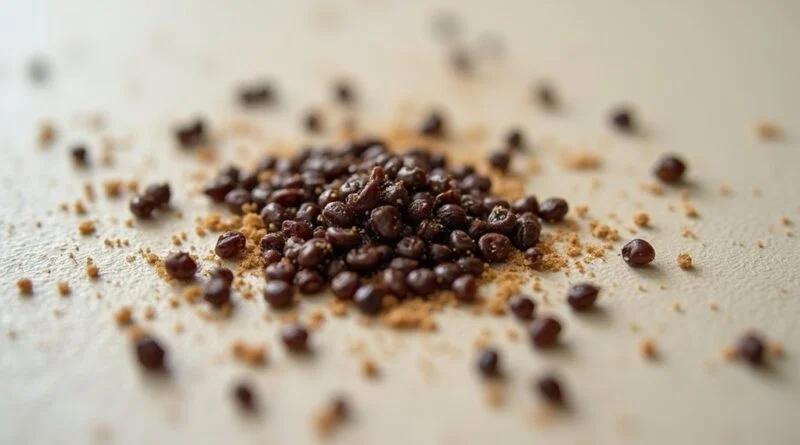
Roach feces can often look like specks of pepper, brown stains, coffee grounds, or oval pellets
Large infestations can create a noticeable smell due to their pheromone output, excrement, and other secretions.
You’ll be most likely to see a roach at night when you enter a room and turn on the light.
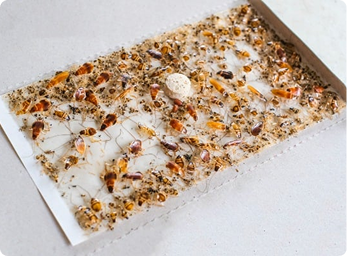
Sticky glue traps catch roaches in high-traffic areas, helping you monitor activity and reduce populations over time.
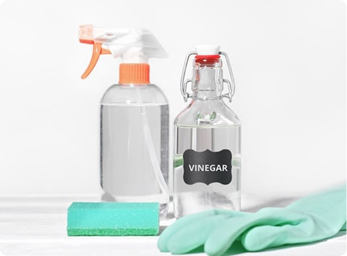
A diluted white vinegar solution can clean surfaces and disrupt scent trails roaches use to navigate your home.
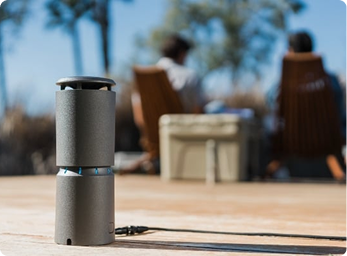
Ultrasonic plug-in devices emit high-frequency sound waves designed to deter roaches from treated areas.
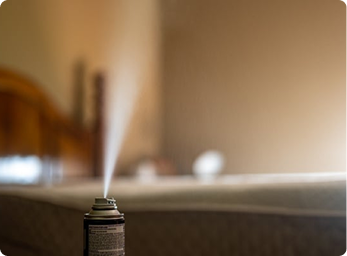
Bug foggers release pesticide mist throughout a room, reaching cracks and crevices where roaches hide.
Close gaps around doors, windows, and foundation.
Wipe down dirty surfaces, remove hiding places on the floor
Crumbs, spills, and open pet food are a buffet for roaches.
If moving in storage boxes & packages, inspect carefully before bringing inside.