

Where do ticks live?
Tick trouble? Here's where they live, how to spot them, and what to do if you find a nest.
Updated: June 30, 2025
Ticks are more than just a nuisance—they’re capable of transmitting serious diseases to both people and pets. But knowing where ticks live can help you take proactive steps to avoid them. Understanding their preferred habitats makes it easier to spot risk areas around your home, protect yourself during outdoor activities, and reduce the chance of a bite.
From wooded trails to overgrown backyards, ticks thrive in areas with shade, moisture, and easy access to hosts. This guide explores the most common tick habitats, explains what a tick nest is (and what to do if you find one), and offers simple steps you can take to protect your family and pets. For more prevention tips, check out our tick control guide.
Jump to section:
- Do ticks live in trees, bushes, or grass?
- What does a tick nest look like?
- Where can I find ticks near my home?
- Can ticks live inside my house?
- What should I do if I see a tick nest?
- Preventing ticks and their nests
Do ticks live in trees, bushes, or grass?
Ticks are commonly associated with wooded areas, but they don’t actually live up in trees. While they may end up on humans or animals from above, they don’t jump or fly—they climb. Most ticks spend their lives closer to the ground, where conditions are shady, humid, and near potential hosts. You’re most likely to find ticks in:
- Tall grasses and weeds
- Leaf litter and brush piles
- Overgrown shrubs and groundcover
- Wooded or forested areas
- Along the edges of trails or yards where wildlife pass through
Ticks wait in these areas for a host to brush past, using a behavior called questing. They cling to vegetation with their back legs and reach out with their front legs to grab onto passing animals or people.
If your yard has tall grass, shaded corners, or frequented wildlife paths, it may be at risk for tick activity. Keeping your lawn trimmed and brush cleared can help reduce their hiding spots and lower your chances of an encounter.
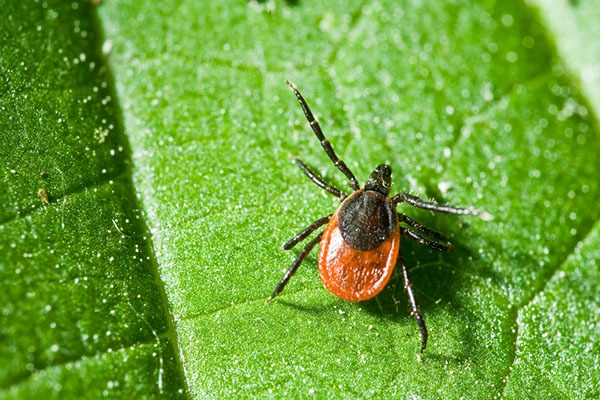
What does a tick nest look like?
Ticks don’t build nests in the traditional sense. Instead, what’s often called a “tick nest” is actually a concentrated cluster of tick eggs, laid in protected, low-traffic areas near the ground. After feeding, a female tick will drop off her host and find a sheltered spot to lay her eggs, often depositing thousands at once.
You might find these egg clusters tucked into leaf litter, hidden in deep grass, or settled in cracks in soil or pavement. These areas provide the dark, humid conditions ticks prefer throughout their life cycle. While ticks do feed on people and pets, they do not lay eggs on them; egg-laying always happens in the environment, not on a host.
Discovering a tick egg cluster in your yard often suggests that the surrounding area offers ideal conditions for more to follow. Because ticks thrive in warm, shaded, and undisturbed environments, it's not uncommon to find multiple clusters in the same general area. Keeping grass trimmed and clearing out debris can reduce the likelihood of this happening. To better understand how quickly ticks develop and spread, it helps to know more about their life cycle and behavior.
Where can I find ticks near my home?
Ticks thrive in shady, humid outdoor spaces—but they’re often found much closer to your home than you might expect. Common tick habitats include tall grass, overgrown shrubs, leaf piles, and wooded edges near your yard. They’re also frequently found in hidden spots like under decks, around fence lines, or in stacked firewood—anywhere that offers shade, moisture, and cover. Some species, like those described in this tick identification guide, are more likely to be found near residential areas due to their preferred hosts and environments.
Ticks often arrive via wildlife like deer, raccoons, or rodents, which carry them across your yard and drop them along travel paths or feeding spots. Once ticks are in the area, it’s easy for them to latch onto people or pets and get even closer to home.
Can ticks live inside my house?
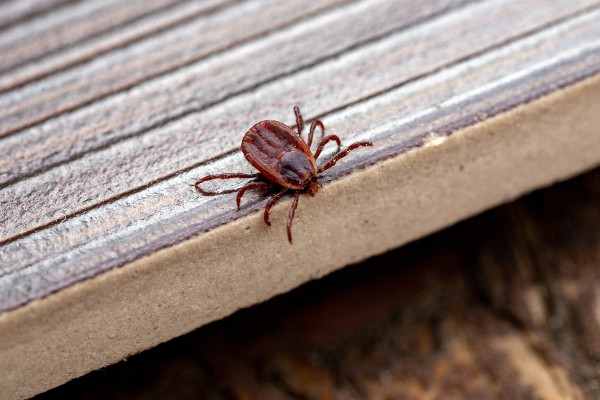
Yes—though not all species can survive indoors for long, some ticks can live inside your home under the right conditions. The brown dog tick, in particular, can complete its entire life cycle indoors. Once inside, ticks may hide in baseboard cracks, under carpets, behind furniture, or in pet bedding.
Ticks usually enter homes on pets, clothing, or outdoor gear. Keeping lawns tidy, checking pets after time outdoors, and using vet-recommended tick preventatives can help reduce your risk of bringing them inside.
What should I do if I see a tick nest?
Finding a tick nest—a small, egg-filled cluster tucked into leaf litter, grass, or cracks in soil—can be alarming. While it’s possible to remove one on your own, doing so incorrectly can spread eggs or expose you to newly hatched ticks. Proceed with caution, or better yet, consider calling a professional.
If you choose to remove a tick nest yourself, follow these steps:
- Wear gloves to protect your skin from any contact with eggs or ticks.
- Use tape or a sealed plastic bag to pick up the egg cluster without crushing it.
- Dispose of it immediately in an outdoor trash bin or sealed container.
- Avoid vacuuming or sweeping unless using a HEPA-sealed vacuum, as eggs can scatter.
- Never crush ticks or eggs with bare hands—they can carry harmful pathogens.
Because tick nests often indicate broader activity nearby, professional treatment is the safest and most effective approach. Terminix can help assess your yard, apply targeted treatments, and help reduce the risk of future infestations. Learn more about how to get rid of ticks with expert support.
Preventing ticks and their nests
The best defense against ticks and their nests is a well-maintained yard. Ticks thrive in moist, shaded environments, often hiding in overgrown grass, leaf litter, brush piles, and along the wooded edges of properties. By keeping your lawn trimmed, clearing away debris, and minimizing places where wildlife can pass through or rest, you reduce the chance of ticks settling in and laying eggs.
Ticks are most likely to lay eggs in the warmer months, typically from late spring through summer. During this time, adult female ticks search for safe, undisturbed spots to deposit thousands of eggs at once. Understanding when ticks are most active in your area can help you time your yard work and other preventive efforts more effectively.
Even with good upkeep, ticks can be difficult to fully eliminate, especially if your property backs up to wooded areas or attracts wildlife. That’s where professional help can make a difference. Terminix offers tick control services designed to treat both adult ticks and their developing eggs, helping protect your home and yard throughout the season.