
Need bat removal or exclusion?
While bats can play an important role in controlling insects outdoors, they can become a problem when they reside inside your home. Bat infestations often start when these animals find their way in through gaps in your attic, chimney, under eaves, and vent openings.
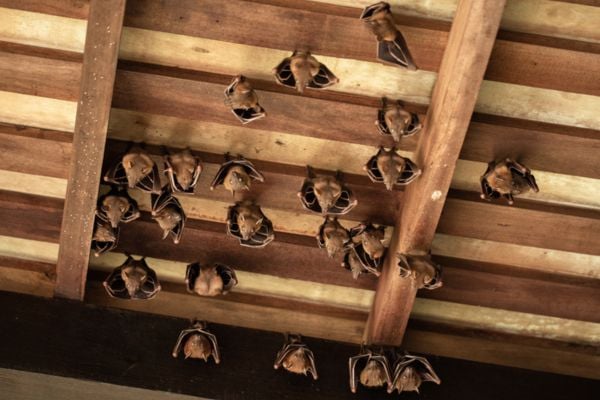
- Terminix's bat removal service can help homeowners safely and legally remove bats and prevent them from returning.
- Because bats are protected wildlife, attempting to remove them improperly can result in fines. It’s best to leave the job to professionals who know how to handle bats with care and comply with local regulations.
- For more than 95 years, Terminix has helped protect what matters most to you, with trusted technicians who go above and beyond to provide expert pest and wildlife removal services, 365 days a year.
Your bat treatment options
Every home and bat situation is different, which is why we tailor our bat removal services to your specific needs. Our experts use safe, humane, and effective methods to help remove bats, seal entry points, and prevent future infestations.
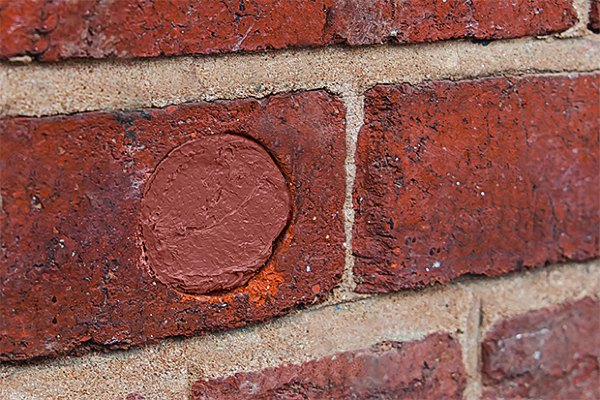
Exclusion powered by
Flexi ArmourTM
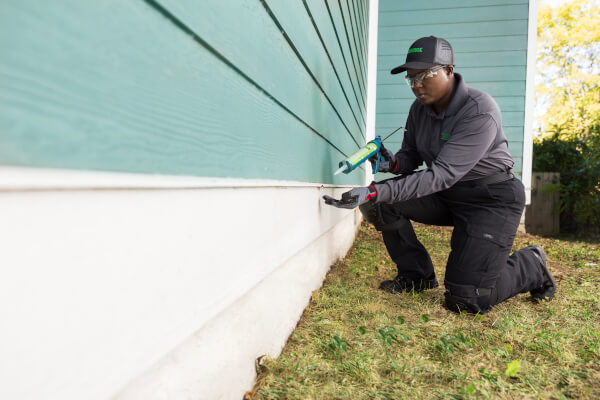
Exclusion is essential for keeping bats and other wildlife from returning to your home. Terminix utilizes Flexi Armour products to create a durable, flexible seal around common entry points, such as vents, chimneys, and attics. Terminix bat exclusion work is backed by a 1-year warranty. If bats return, we will come back to evict them and repair the work.1
Bat removal
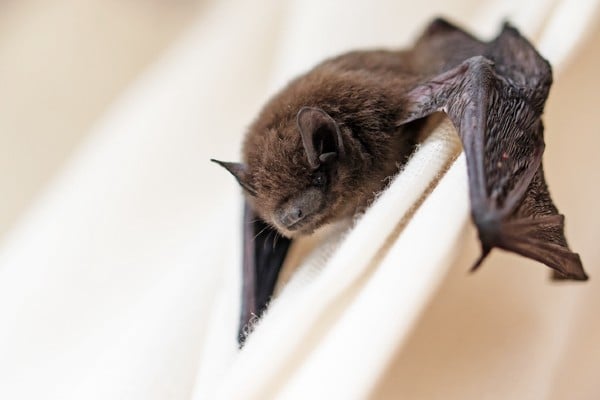
Terminix provides safe, humane, and legally compliant bat removal services designed to help protect both your home and local wildlife. Our experts use exclusion methods that allow bats to leave on their own without harm, then seal entry points to prevent their return, all in accordance with state and federal wildlife regulations. Because eviction and exclusion work can only be performed when bats are not raising their young or hibernating, our professionals carefully schedule services to ensure compliance with wildlife protection laws.
Get started with bat control and exclusion
![Terminix tech pointing at a tree with a customer]()
Bat control
- Free inspection to identify bat activity and entry points
- Specialized tools to allow bats to leave your home, but prevent their return
- Exclusions services to seal entry points against future bat problems
- Terminix Bat Exclusion Work is backed by a 1-year warranty1
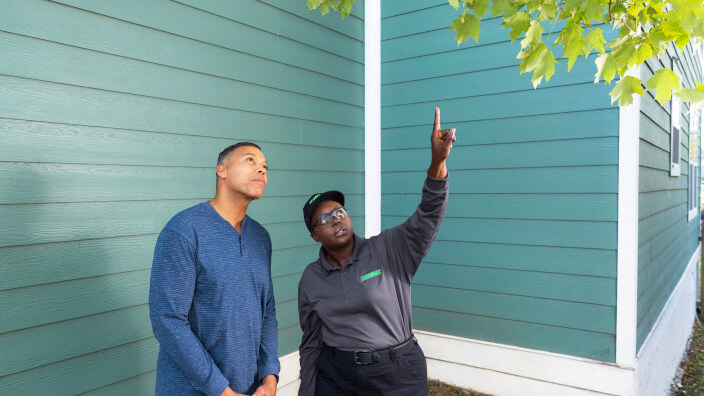
Our commitment to you, your family, and the environment

Pet and family safe
Applied with care for the people and pets you love

Eco-conscious solutions
Smart, targeted approaches designed with the environment in mind

Local experts
Local technicians who understand your area’s unique pest challenges
Signs of bats to look for
Bats are often drawn to dark, quiet areas, such as attics, where they can roost safely near food sources, including insects and fruit. If you think bats may be roosting in your home, there are several signs to look for:
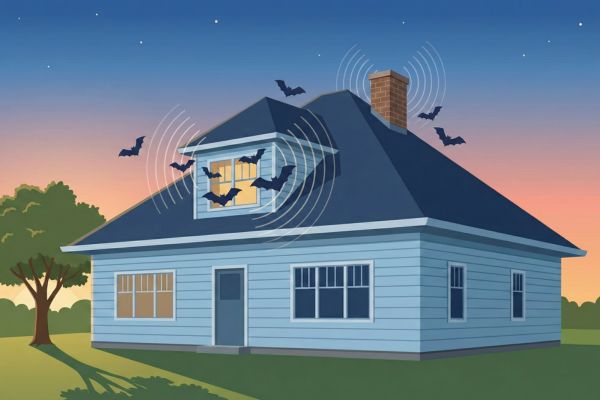
Noises at dusk or dawn
You may hear chirping, squeaking, or fluttering sounds as bats leave or return to their roost. These noises often come from attics, walls, or vents.
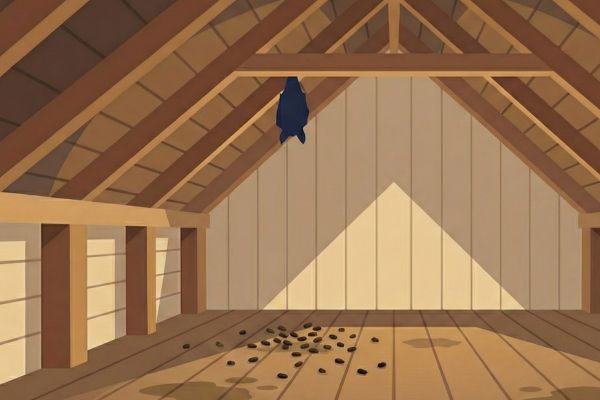
Dark stains or droppings
Look for greasy, dark marks or small, dry, pellet-like droppings where bats are roosting. A distinct, musty smell may also develop in areas where bats are nesting or where droppings have built up.
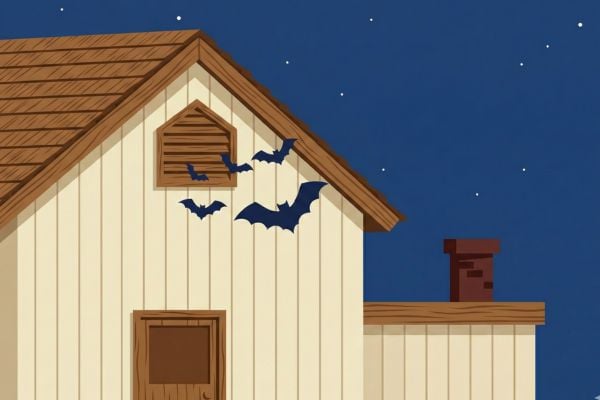
Bat sightings
Seeing bats flying near your roofline at dusk or entering small gaps around vents, chimneys, or eaves is a clear sign of activity.
Types of bats
Effective bat removal starts with identifying the specific species in your home. Because different bats have unique behaviors and preferred roosting sites, the control method can vary. Here are some of the most common bat species you may encounter:
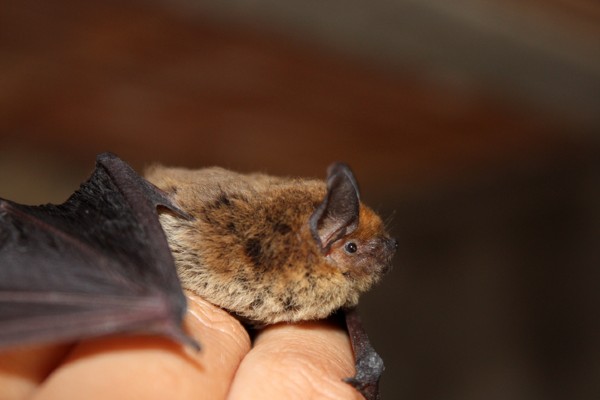
Little brown bats
Little brown bats are small, with a wingspan of eight to ten inches and dark brown to golden-brown fur. They prefer dark, secluded spaces, like attics, barns, and tree hollows. Little brown bats are most active at dusk when they hunt insects.
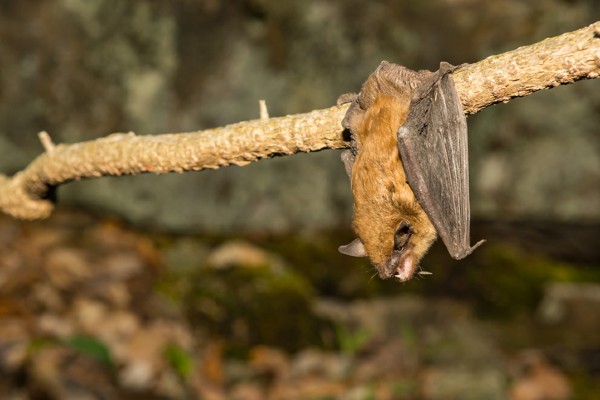
Big brown bats
Big brown bats are medium-sized, with a wingspan of 13-16 inches and glossy brown fur. They are common throughout the U.S. and frequently roost in buildings, especially in attics, barns, and wall cavities. Big brown bats often form colonies, which can lead to significant accumulation of droppings and potential property damage.
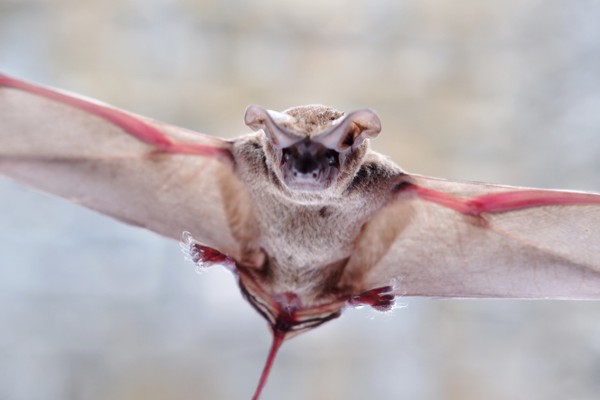
Mexican free-tailed bats
Mexican free-tailed bats are medium-sized with long, narrow wings and a distinctive tail. They are typically found in the southern U.S. and Mexico, and often roost in large colonies in caves, on bridges, or in buildings. These bats are fast, agile fliers, and primarily feed on flying insects at dusk.
The Terminix Difference
Here’s what our customers have to say...
Kat Wyckoff
Colorado Springs, CO
![Google Logo]()
We got invaded, wildlife need to stay outside not inside. Called and they came, very fast and efficient. We do have dogs I was concerned for but what they use was safe for our dogs.
3 months ago
Martin Dixon
Indianapolis, IN
![Google Logo]()
Terminix did a good job of taking care of my raccoons in the attic problem. Animals were captured and removed. Terminix showed up on time as scheduled. Phone communications were very good in getting everything coordinated. The cleaning and wildlife barriers were accomplished in one day with very little mess or inconvenience.
5 months ago
Krootie
St Louis Park, MN
![Google Logo]()
We've used Terminix for a while now and have always been happy with their provided services. Even when 'nature finds a way' to get back where it doesn't belong, they are very prompt to swing by to take care of the problem. We recently used Terminix to remove the insulation, sanitize, and re-blow insulation into our entire attic. The process went from inspection, to quote, to completion within the same week. The crew was very respectful of our home, pets, and our time. You might be able to find cheaper options out there, but for the amount of care the technicians provide with every service I recommend you go with Terminix.
7 months ago
April Methot
Woburn, MA
![Google Logo]()
Metro west MA Terminix team is amazing! Frances in pest control has protected us from pests for over 15 years! His response time and attention to detail is like no other. He listens and has solved all our issues over the years. We have been Vith and team in wildlife for over 5 years now and they have been diligent at finding and blocking access points in our 1860s home. At the beginning appt scheduling was frustrating but Frances has helped ease our frustrations and get us to the right people to schedule. Highly satisfied customer and highly recommend this team!
8 months ago
Donna R
Virginia Beach, VA
![Google Logo]()
Was very impressed with the quick response and efficiency in dealing with our home. Keith Sacco was great to deal with and made himself available to handle all our questions. Well done. The work performed by the wildlife exclusion tech and the moisture barrier installers was top notch also.
7 months ago


What to expect from Terminix bats control services

Inspect and identify
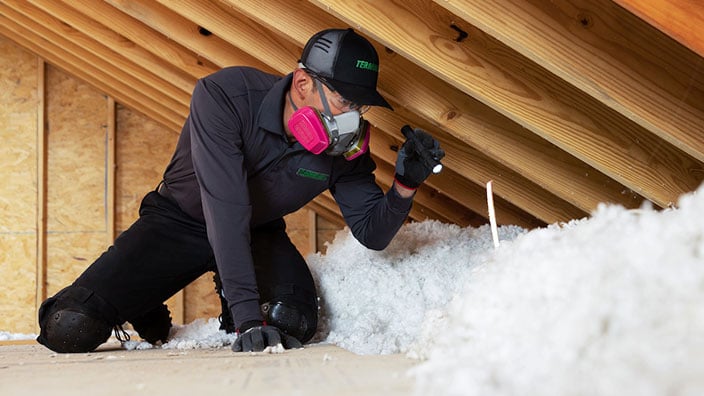
Terminix begins with a detailed inspection to confirm bat activity, identify the species, assess damage, and locate entry points.

Exclude
Your Terminix professional will create a customized treatment plan for your home that may involve a combination of methods and multiple visits.

Evict
Our experts install specialized tools, such as bat cones or netting, that allow bats to exit your home but prevent them from returning — a process that typically takes up to two weeks.
Prevent
Once all bats have left, we permanently seal remaining openings to keep them out for good.
FAQs About Bat Control
Some homeowners attempt DIY bat removal methods, such as sealing entry points while bats are inside, using bright lights, or applying chemical repellents. Some may also try to use strong-smelling substances, though there is no smell proven to reliably deter bats.
Regardless of the method, DIY bat removal is not recommended. Bats are protected wildlife, and improper handling can harm the animals, create health risks from droppings or parasites, and lead to fines or legal trouble for violating local or federal wildlife laws.
Bat removal costs can vary widely depending on the size of the infestation, the species of bat, the condition of your home, and the treatment methods required. Because every situation is unique, our experts conduct a thorough inspection and provide an accurate quote tailored to your home.
There are various dangers of bats that homeowners should be aware of. While bats are generally not aggressive and will avoid humans when possible, they can carry diseases such as rabies. Their droppings can also pose health risks if disturbed. Because of these risks, it’s best to contact a pest control professional as soon as possible.