DIY
Does bed bug powder actually work?
Slow-acting bed bug powder may kill bed bugs over time. Here’s what to expect.
Updated: June 10, 2025
When dealing with bed bugs, many people turn to DIY solutions before calling in the pros. One of the more commonly used options is insecticidal dust — technically, its proper name, though many people simply refer to it as bed bug powder or bed bug killer powder. Insecticidal dust can be applied to cracks, crevices, and furniture to kill bed bugs on contact or over time.
However, not all powders are the same, and they don’t work like chemical sprays or professional treatments. Understanding how bed bug killer powder works—and its limitations—can help you decide if it’s the right fit for your situation or if it’s time to consider more comprehensive options. For a closer look at other DIY methods, check out this guide to bed bug control at home or explore more about bed bugs and how they spread.
What is bed bug powder or dust?
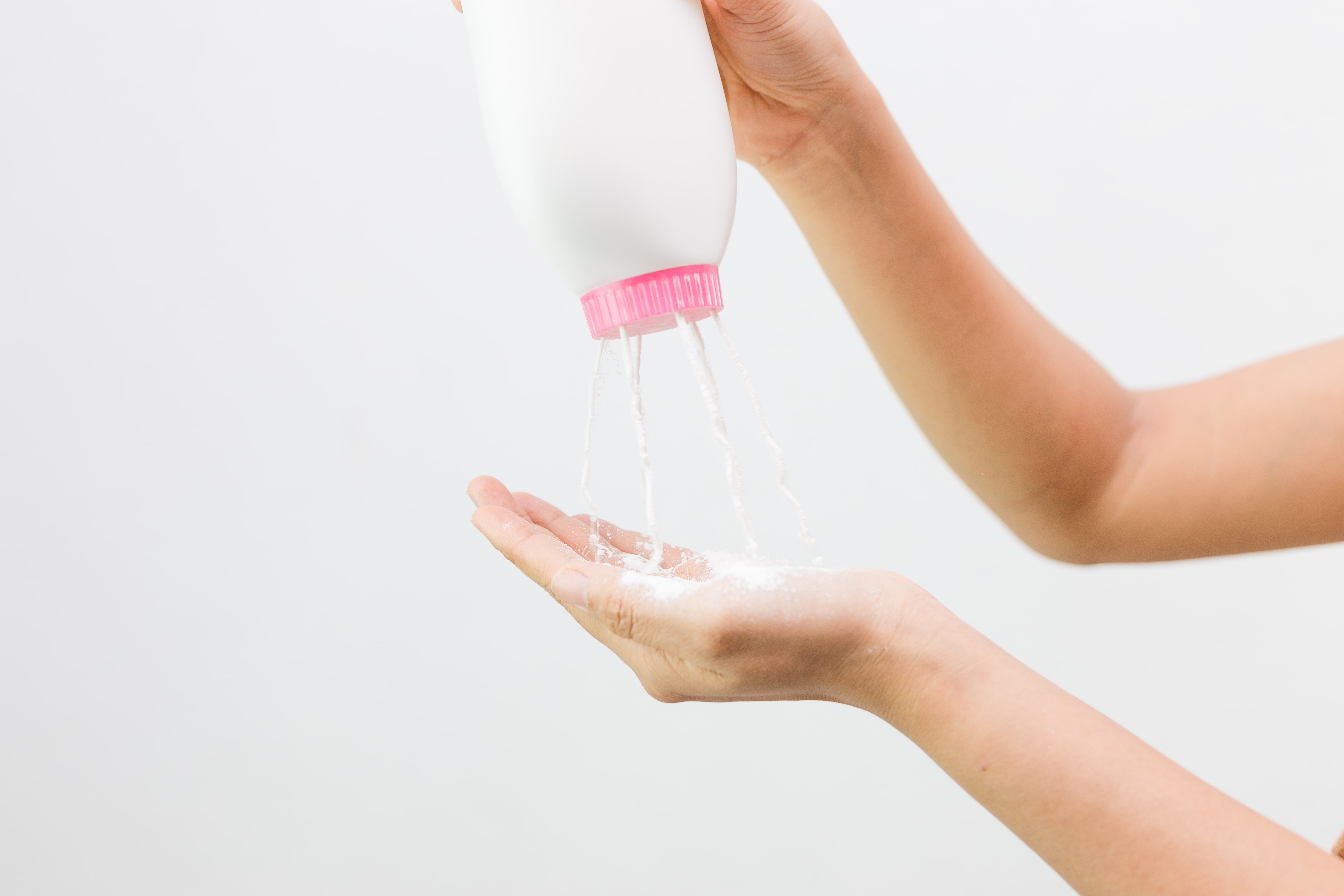
Bed bug powder—sometimes labeled as bed bug dust—is a dry treatment used to kill bed bugs by either dehydrating them or disrupting their protective outer coating. Unlike liquid sprays or chemical foggers, these powders don’t rely on toxic chemicals to be effective. Instead, they typically work through physical contact.
The most common active ingredient is diatomaceous earth, a naturally occurring substance made from fossilized microscopic algae. Another widely used ingredient is silica gel, which acts in a similar way by damaging the waxy outer layer of the bug’s body, leading to dehydration. Some products also include botanical extracts or low-toxicity insecticides, though these may vary in effectiveness and safety.
It’s important to read the label carefully—some powders are designed specifically for bed bugs, while others may target general household pests. Misusing bed bug powders can also pose risks. Overapplying can cause the powder to become airborne, irritating the lungs of people and pets. And not all powders are safe to use on or around furniture or sleeping areas. For indoor use, always choose products that are clearly labeled for bed bug treatment and safe for residential environments.
So, how effective is bed bug powder?
Bed bug powder, technically known as insecticidal dust, can seem like a simple, low-toxicity solution, which is why many people try it first. But in reality, it’s rarely effective unless applied correctly by a trained professional.
For the powder to work, bed bugs must come into direct contact with it — something that’s unlikely if they’re hiding deep inside walls, furniture, or tiny cracks and crevices. Because it acts slowly and must be precisely placed in hard-to-reach areas, insecticidal dust works best when used by a pest control expert as part of a larger, integrated treatment plan. This usually includes vacuuming, mattress encasements, and ongoing monitoring to catch any surviving pests.
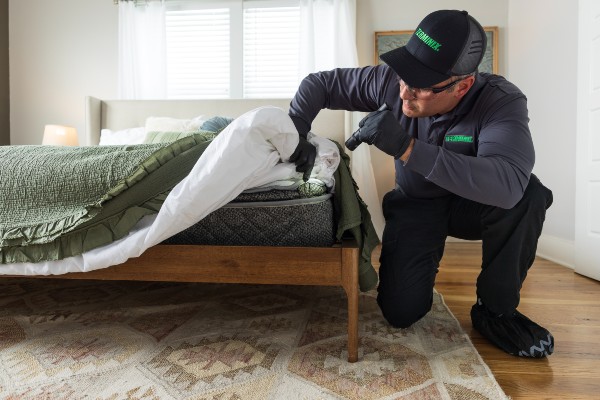
A Terminix bed bug control plan takes the guesswork out by using proven, targeted methods to eliminate bed bugs where they live and hide. Our trained bed bug technicians know exactly where to look and how to treat even the hardest-to-reach hiding spots, something that’s nearly impossible to do with DIY methods alone. Our experts use professional-grade tools and treatments that aren’t available over the counter. You can schedule a free inspection to find out what’s really going on and what treatment options make the most sense for your home.