

Do bed bug detectors work?
Updated: June 10, 2025
Wondering if bed bug detectors actually work? Here’s what they can—and can’t—do.
When you're dealing with a possible bed bug infestation, knowing what you're up against is the first step. But because bed bugs are so small and good at hiding, spotting them isn’t always easy. That’s where bed bug detectors come in.
These tools are designed to help confirm the presence of bed bugs by trapping or luring them from their hiding places. While they won’t eliminate a bed bug infestation or prevent it spreading on their own, they can be a useful part of the detection and monitoring process—especially when used early.
If you think you might have bed bugs, acting fast can prevent a bigger problem. Schedule a professional inspection with Terminix to get expert help before they spread.
How do bed bug detectors work?
One way to check for bed bugs in your home is to use a detection tool. There are two primary types: active and passive. Bed bug detectors work by either trapping bed bugs or attracting them to a specific location where they can be identified. The science behind these detectors relies on understanding bed bug behavior, including their movement patterns and what attracts them.
Active bed bug monitors use lures to mimic the presence of a host and draw bed bugs out from their hiding places. The most common active monitors use a scent attractant. The chemical combination mimics the scent of a human. Other traps that use heat and carbon dioxide are available but have not been widely accepted.
Passive bed bug detectors, also called bed bug interceptors, work on the simple principle that bed bugs do not climb well on smooth, vertical surfaces. These detectors are low-maintenance and can be left in place for continuous monitoring. However, they only detect bed bugs that come into direct contact with the trap.
Bed bug interceptors
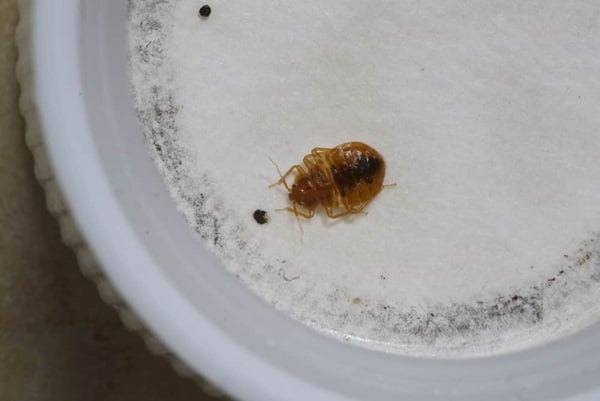
Bed bug interceptors monitor bed bug infestations based on their inability to climb slippery surfaces. These small plastic dishes are placed under bedposts and furniture legs, creating a barrier that bed bugs must cross. The outer edge is rough, allowing bed bugs to climb in, but the inner surface is smooth and slippery, preventing them from escaping.
Bed bug glue traps
Bed bug glue traps are simple traps with sticky surfaces that can trap bed bugs as they crawl over them. They are typically placed where bed bugs are likely to travel, such as near beds, furniture, and baseboards. Glue traps can help monitor and capture some bed bugs, but will not eliminate an infestation alone.
More bed bug prevention tips
Travel is one of the most common ways bed bugs spread. To reduce the risk of bringing them home with you, keep these quick tips in mind:
- Inspect hotel mattresses, headboards, and nightstands for signs of bed bugs
- Keep luggage elevated and away from beds or upholstered furniture
- Store clothes in sealed bags while traveling
- Wash and dry clothing on high heat after returning home
- Vacuum suitcases and store them in a garage or a sealed container if possible
For more detailed travel tips, see our guide on how to check for bed bugs in a hotel room.
How to check for bed bugs
If you suspect bed bugs, a careful inspection can help confirm your suspicions. Start by checking common hiding spots:
- Mattress seams, box springs, and headboards
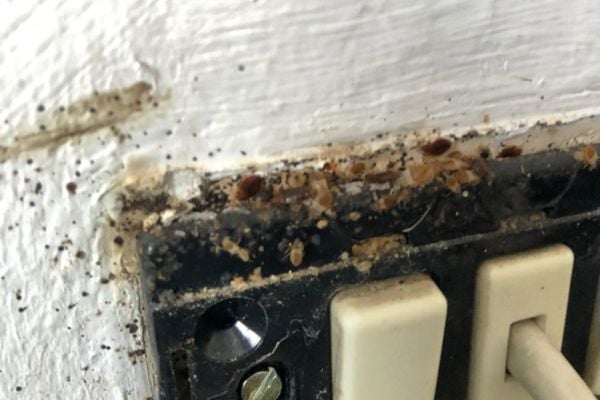
- Behind wall hangings, outlet covers, and baseboards
- Inside furniture joints, couch seams, and drawer interiors
- Around carpet edges and curtain folds
Signs of bed bugs include small reddish stains, black specks (fecal matter), shed skins, and tiny white eggs. You may also spot live bugs—flat, reddish-brown, and about the size of an apple seed.
Some people try using UV lights to spot bed bugs, but they aren't very effective. Bed bugs don’t glow under UV light, though the signs they leave behind (like droppings) may be slightly more visible. For more guidance, see the full list of bed bug warning signs.
What to do if you detect bed bugs
Finding signs of bed bugs is just the beginning—getting rid of them is the real challenge. DIY treatments might seem like a quick fix, but they often fail to reach hidden bugs or eggs. In some cases, improper treatment can even spread the infestation or make it harder to eliminate.
Bed bugs are persistent and may require multiple treatment methods over time. That’s why professional help is often the most reliable solution. Terminix technicians are trained to identify bed bug hiding spots, assess infestation severity, and apply targeted treatments that work at every life stage.
Want to try a few options at home? Explore our DIY bed bug control tips. But for lasting results, schedule a professional inspection and let the experts take it from there.