DIY
Bed bug traps explained
Bed bug traps won’t solve an infestation, but they can help you confirm one. Here’s how.
Updated: June 10, 2025
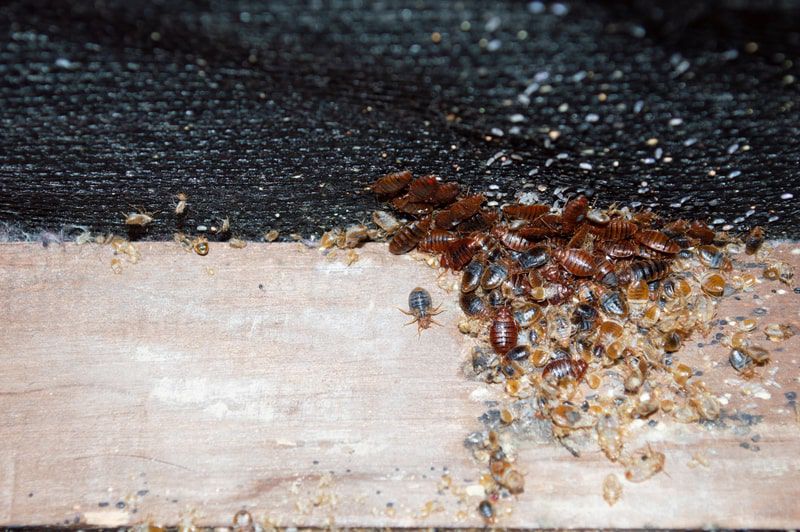
Bed bugs are parasitic pests that feed on human blood, often at night while you sleep. If they make their way into your home, they can quickly become a serious problem. Bed bugs are not only difficult to detect but also notoriously hard to eliminate, especially without professional help. And while many over-the-counter treatments fall short, certain types of bed bug traps can help monitor activity, catch bugs in transit, and even prevent bites.
Whether you’re trying to confirm a suspected infestation or supplement a larger treatment plan, bed bug traps offer a practical starting point. These tools won’t eliminate bed bugs on their own, but they can give you peace of mind—and valuable evidence to support the need for professional intervention. Learn more about DIY bed bug control options or explore how bed bugs spread and behave to understand why trapping matters.
How to choose a bed bug trap
Not all bed bug traps work the same way or serve the same purpose. Some are designed to detect and monitor infestations, while others are meant to intercept bugs before they reach you. There are also products like encasements and furniture covers that don’t trap bugs in the traditional sense but can help contain them and limit their movement.
Choosing the right trap depends on your situation. Are you trying to confirm an infestation? Protect your bed or sofa? Catch bugs on the move? Understanding the different trap types can help you find the best option to meet your needs.
That said, it’s important to remember: traps alone won’t eliminate a bed bug problem. These pests reproduce quickly and hide in hard-to-reach places, which means full elimination typically requires targeted treatments and follow-up. For long-term protection, it’s best to pair traps with professional bed bug control. Learn more about how Terminix can help with a customized treatment plan.
Bed bug interceptors
Bed bug interceptors are passive traps designed to catch bed bugs as they travel to and from your bed or furniture. These traps are typically shallow, plastic cups with a textured outer wall and a smooth inner wall. Bed bugs can climb up the textured surface but become trapped when they fall into the slick inner well, unable to escape once inside.
Interceptors are usually placed under the legs of beds, sofas, or other infested furniture. Bed bugs are attracted to the carbon dioxide you exhale while sleeping, along with your heat and chemical signatures. They often emerge from hiding at night and attempt to climb up the bed legs to feed, making this a strategic place to stop them.
These traps are best used to monitor low to moderate infestations or to confirm the presence of bed bugs when you're not yet sure there's a problem. They're also helpful during professional treatments to track remaining activity. However, interceptors alone won’t stop a full-blown infestation, especially if bugs are hiding in areas that don’t require them to cross trap zones.
Interceptors can remain in place for weeks or even months, but they should be checked regularly and kept clean for best results. Learn more about how to detect bed bugs with interceptors and other tools.
Bed bug monitors
Bed bug monitors are devices used to detect the presence of bed bugs over time. They can be passive (like interceptors) or active, using heat, CO₂, or chemical lures to attract bed bugs from their hiding spots. These tools don’t kill bed bugs but help determine whether an infestation exists, how widespread it is, or if treatment has been successful.
Monitors are usually placed near sleeping areas—under beds, beside baseboards, or close to suspected hiding spots like couches and headboards. Some are designed for short-term use, while others can be left in place for several weeks. Either way, monitors are best used in situations where:
- You suspect bed bugs but haven’t seen physical evidence
- You’ve recently had treatment and want to check for lingering activity
- You live in multi-unit housing where infestations can spread between apartments
Mattress encasements and sofa covers
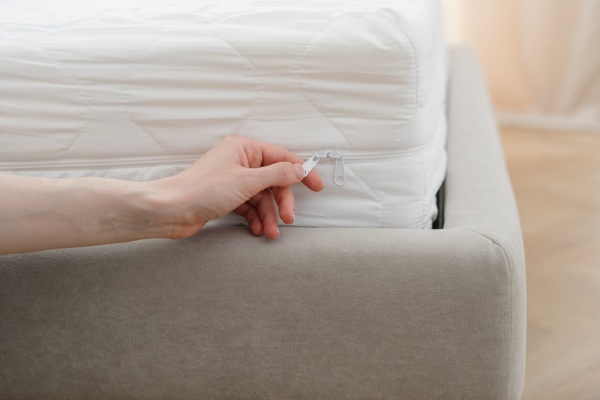
Mattress encasements and sofa covers are zippered, bite-proof barriers that trap bed bugs inside furniture and prevent new ones from getting in. These covers seal off common hiding spots like seams and crevices, making it easier to detect and contain infestations. Once installed, they isolate any bugs already present and starve them over time, while also serving as monitoring tools during or after treatment.
Encasements should be waterproof and durable, labeled as bite-proof, and have a fully sealed zipper. They’re typically left in place for 12 to 18 months to ensure trapped bugs die off completely. Mattress encasements are ideal for beds, while sofa covers help protect living room furniture, especially in homes with recurring issues or after professional treatment.
Though they don’t eliminate an infestation on their own, encasements and covers are a reliable way to contain and monitor bed bug activity in high-risk areas.
Homemade bed bug traps
Some DIY bed bug traps mimic commercial interceptors and can be made from household items. However, they won’t catch bugs already hiding in mattresses, headboards, or other areas where the host is nearby. DIY traps often lack the durability and effectiveness of tested products, and they’re not a reliable long-term strategy.
Don’t let the bed bugs bite!
Bed bugs are one of the most challenging pests to eliminate. They’re small, fast, and excellent at hiding in hard-to-reach places like mattress seams, furniture joints, and wall voids. While traps and monitors can help detect activity or reduce bites, they won’t eliminate an infestation on their own.
That’s why professional help is your best option. Terminix offers targeted bed bug control solutions designed to treat the full life cycle of the pest—eggs, nymphs, and adults. With expert inspection, proven treatment methods, and follow-up as needed, you can feel confident knowing the problem is being handled completely.
If you suspect you have bed bugs, don’t wait. Schedule a free inspection or learn more about bed bug control options from Terminix today.