Bug Facts
What you need to know about the most venomous spiders
Not all spiders are dangerous, but a few can pose significant health risks. Most spiders are venomous, but that doesn't mean they're harmful to humans. Only a few spider species have venom strong enough to cause health problems for humans.
It’s important to note the difference between venomous spiders and poisonous spiders. Spiders are venomous, meaning they inject venom into their prey to immobilize or digest it. Poisonous means the spider is harmful if eaten or touched. So, spiders are venomous, not poisonous.
A few medically significant spiders in the United States can end up in or around homes. Let’s take a closer look at some venomous spiders, including which ones to watch out for, what to do if you encounter one, and how to make your home less attractive to them.
What is the deadliest spider in the world?
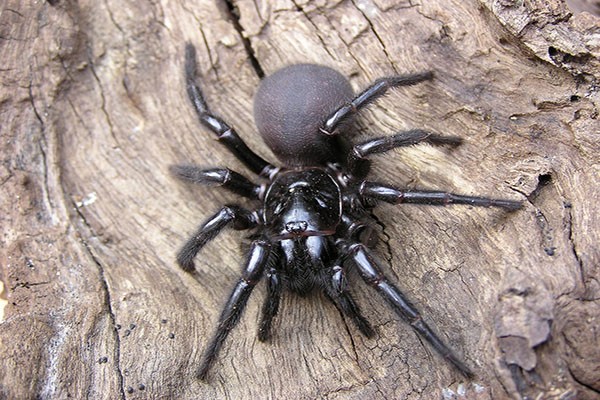
The Sydney funnel-web spider (Atrax robustus), native to Australia, is considered the deadliest spider in the world. This shiny black spider delivers highly potent venom, especially the males, whose bite is up to six times more toxic than the females'. Its venom contains a potent neurotoxin called atracotoxin, which can affect the nervous system and cause serious symptoms like difficulty breathing, muscle spasms, severe pain at the bite site, and vomiting.
They are typically found in moist areas like gardens or under logs. To avoid them, watch for silk trip lines near their burrows.
The most venomous spiders in the U.S. and abroad
Knowing how to identify venomous spiders, understanding where they live, and how dangerous they can be can help keep you safe. If you think you've been bitten by a venomous spider, seek medical attention right away.
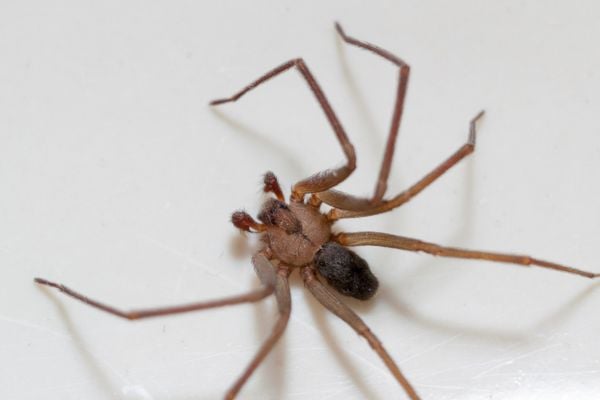
Brown recluse spider (Loxosceles reclusa)
- Danger level: Medically significant; bites can cause necrotic skin lesions, but fatalities are rare.
- Appearance: Tan to dark brown with a violin-shaped marking on its back.
- Size: Their bodies measure about a quarter to half an inch long, with leg spans reaching up to one and a half inches.
- Habitat: Found mainly in the central and southern U.S.; prefers dark, undisturbed areas like closets, basements, and woodpiles.
- Aggressiveness: Not aggressive. Bites usually occur when they are pressed against skin (e.g., in clothing or bedding).
- Common bite symptoms: Redness, swelling, blistering, and in some cases, deep skin necrosis.
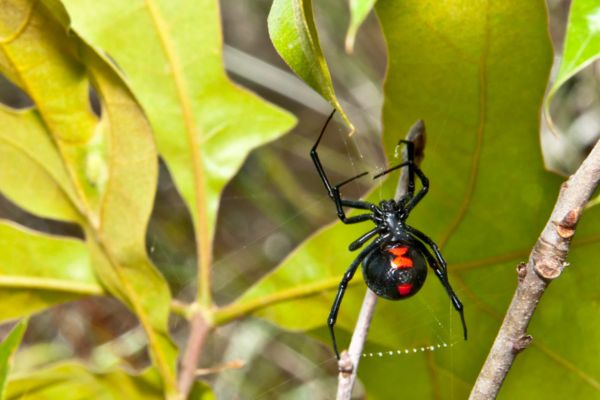
Black widow spider (Latrodectus spp.)
- Danger level: Highly venomous; can cause severe pain and systemic symptoms, but fatalities are rare with treatment.
- Appearance: Glossy black body, and mature females have a distinctive red or orange hourglass marking on the underside of the abdomen.
- Size: Their bodies are typically around one-quarter to ⅖” long, with leg spans reaching up to about one and a half inches.
- Habitat: Found throughout the U.S., especially in the south and west. Prefers dry, sheltered locations like garages, sheds, and woodpiles.
- Aggressiveness: Not aggressive; bites are defensive.
- Common bite symptoms: Immediate sharp pain or mild stinging, muscle cramps, abdominal pain, nausea, and sweating.
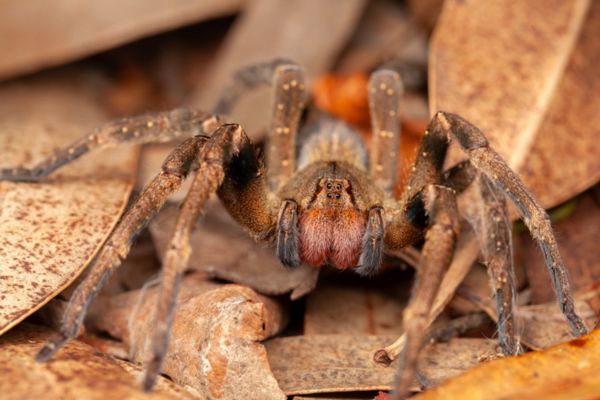
Brazilian wandering spider (Phoneutria spp.)
- Danger level: Extremely venomous; considered one of the most dangerous spiders in the world.
- Appearance: Hairy, brown to reddish body with some species showing red or black markings.
- Size: They range from one to one and a half inches long, with leg spans reaching up to five or six inches.
- Habitat: Native to South and Central America; found in forests, banana plantations, and urban areas.
- Aggressiveness: Very aggressive when threatened; displays a threat posture by raising its front legs.
- Common bite symptoms: Immediate burning pain, profuse sweating and salivation, muscle paralysis, and breathing difficulty in severe cases.
Creepy – but not deadly – spiders in the U.S.
Nearly all spiders are technically venomous, using their venom to subdue prey, but for the vast majority, their venom poses little to no threat to humans. Most spider fangs are either too small to break human skin, or their venom is too weak to affect us.
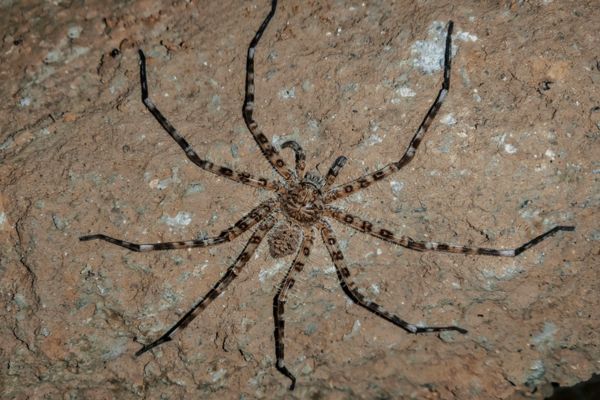
Giant huntsman spider
The giant huntsman spider holds the record for the longest leg span of any spider, measuring up to 12 inches across. While its size and speed can be startling, its venom poses no serious threat to humans.
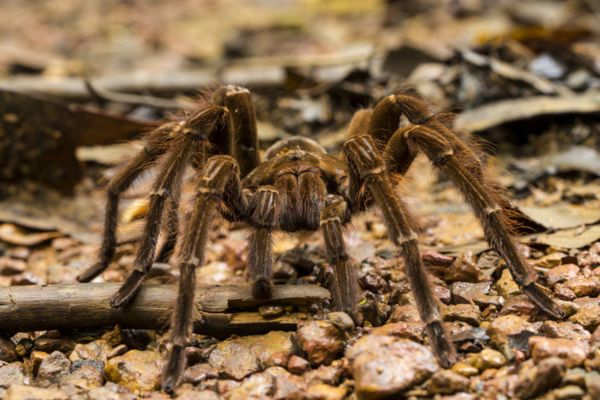
Goliath birdeater
This is the largest spider in the world by weight, with a leg span that can reach up to 11 inches. On average, they weigh six ounces, which is around the same weight as a baseball or a large apple. Despite its intimidating size and name, its venom is mild and not considered dangerous to humans.
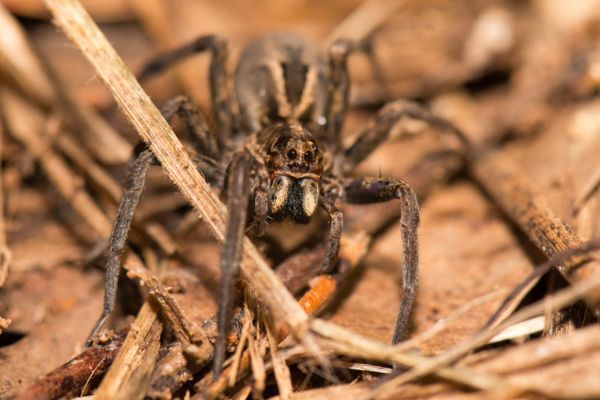
Wolf spider
These fast-moving hunters use venom to subdue prey, but their bites rarely cause serious harm to people; usually, only mild irritation or swelling.
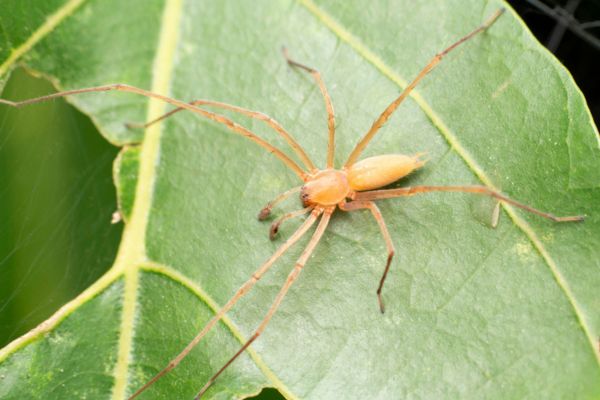
Sac spiders
Sac spiders are small nocturnal hunters whose venom can cause mild skin irritation or small sores, but severe reactions are uncommon.
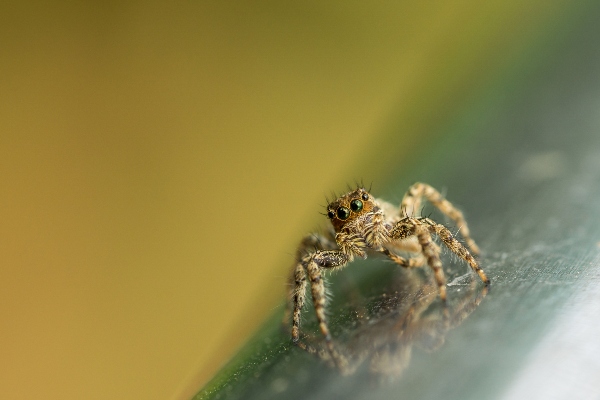
Jumping spiders
Known for their excellent vision and jumping ability, they have venom to immobilize insects. Their bites are rare and usually cause only slight discomfort.
What should I do if I encounter a venomous spider?
If you encounter a venomous spider, there are a few steps you can take to help protect yourself, your pets, and your family.
- Stay calm and keep your distance: If you see a spider you suspect is venomous, do not try to touch, trap, or swat it. Quick movements may cause it to bite in self-defense. Step away slowly and give it space.
- Don’t attempt to handle it: Avoid handling the spider yourself. If it’s indoors and you feel unsafe, call a pest control professional for identification and removal.
- Take notes of its appearance and location: If possible, take a picture from a safe distance for identification purposes. Note where you saw it in case it escapes before professionals arrive.
To help prevent venomous spiders from getting inside your home:
- Seal entry points: Use caulk or weatherstripping to close gaps around windows, doors, pipes, and vents.
- Declutter indoor spaces: Venomous spiders like dark, undisturbed areas, such as basements, garages, closets, and storage boxes.
- Reduce outdoor hiding spots: Clear piles of wood, leaf litter, and debris near your home’s foundation.
- Call in the professionals: Spider control with Terminix can help protect you and your family from venomous spiders and prevent infestations.