Bug Facts
Can bed bugs get in your hair?
Content Updated: October 1, 2025
Though they may be small and reliant on humans, bed bugs are less likely to end up in your hair than you might think. Learn more about these infamous pests.
Key takeaways
- Bed bugs, for all their reliance on human hosts for their blood meals, don’t tend to make homes for themselves on human bodies.
- Unlike lice and other similar insects, bed bugs lack the proper anatomy to effectively cling to hair.
- Bed bugs are more likely to migrate via hitching a ride on luggage or fabrics taken while travelling than they are to move by staying on a human.
- If you have a serious bed bug problem, their hardiness and resilience can make them difficult to deal with on your own—but professional pest control services can help.
Jump to section:
- What are bed bugs capable of? Can bed bugs stay in your hair?
- What is the anatomy of a bed bug?
- How do bed bugs migrate?
- How can I prevent bed bugs?
If you’ve ever reached up and felt bugs in your hair, you may have found yourself thinking: “bed bugs!” However, the truth is that it might actually be another infamous pest making a home on your head.
Bed bugs are often confused with lice due to their similar appearances and habits, but this has led people to wondering “can bed bugs live in your hair?” all the same. Here are some bed bug facts you should know.
What are bed bugs capable of? Can bed bugs stay in your hair?
Contrary to popular belief, bed bugs do not actually live in hair—though they may bite at your scalp. They prefer to live in dark, secluded spaces, such as behind your bed, between furniture and walls, or within cracks on your floorboard.
Being nocturnal, bed bugs generally emerge from their hiding spots to feed throughout the night while hosts are dormant. Bed bugs prefer their hosts to be immobile, so they also don’t tend to linger—instead, they’ll immediately crawl back to their harborage to digest.
So, if bed bugs don’t live in your hair, can they get into your hair at all? Technically, yes. When leaving their harborages to find food, they may walk across your hair to get to your skin. That said, it’s unlikely that they’ll crawl through the depths of your hair. At most, they’ll simply cross on top of it.
What is the anatomy of a bed bug?
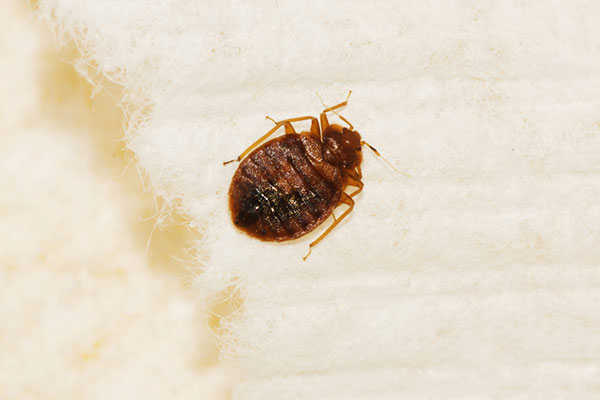
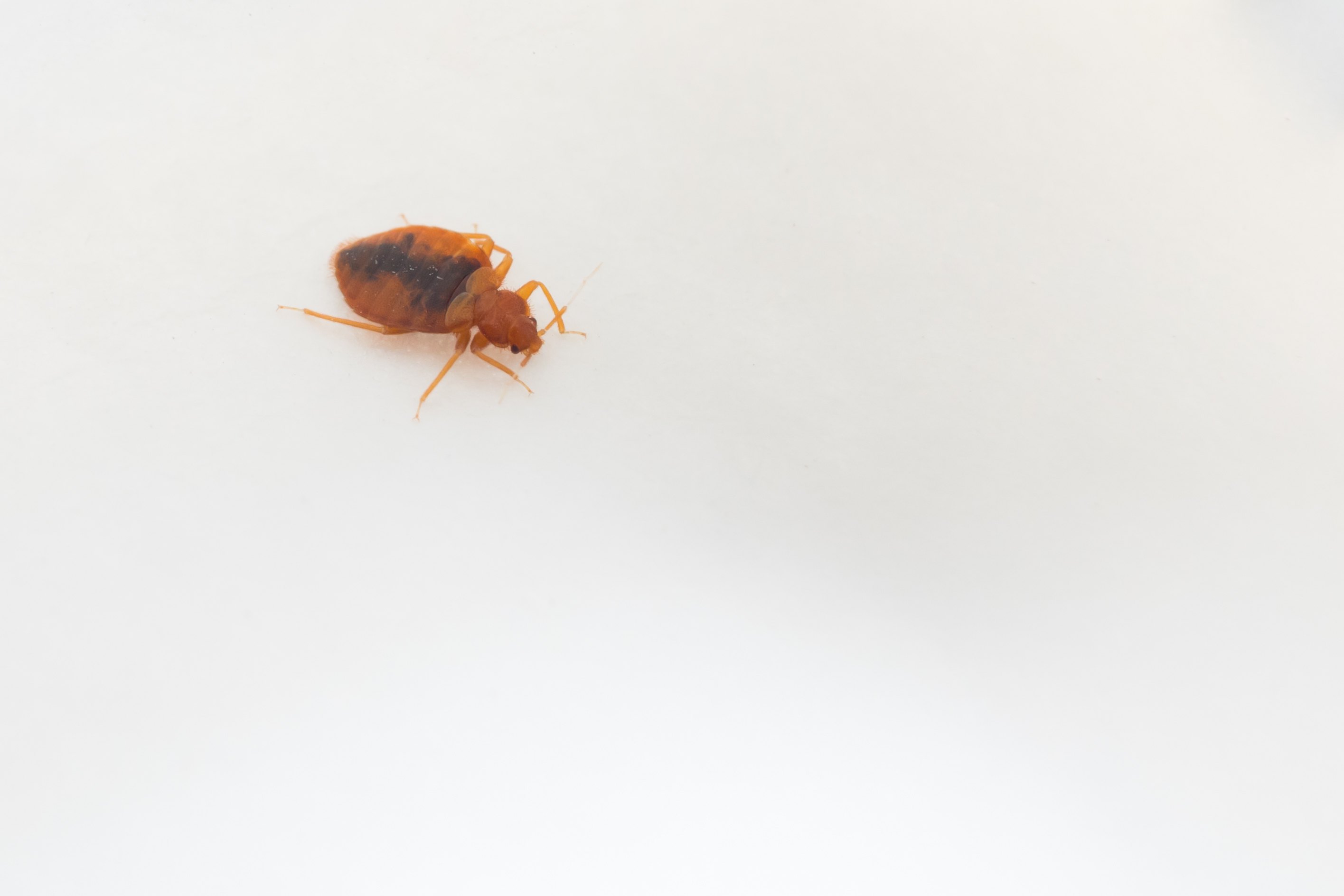
When it comes to bed bug anatomy, there are a few key physical characteristics that can help you identify these pests:
- Size: Bed bugs are typically around 4-5mm in length.
- Body structure: These pests have flattened, apple seed-shaped bodies. After feeding, they become more swollen in shape.
- Color: Newly hatched nymphs are nearly colorless, while adults range from rusty brown to reddish-brown. They take on a more vibrant coloration after feeding.
One thing you’ll notice about bed bugs is that they lack any body parts that would help them stay in your hair. You also don’t have to worry about finding bed bug eggs in your hair, either—they aren’t sticky enough to attach.
Additionally, bed bugs prefer to avoid hair in general, including the hairones on your arms and legs. A Sheffield University study compared bed bug activity on subjects with shaved versus unshaved limbs, and they found that longer hairs deterred these insects for two reasons:
- Body hair slowed down bed bugs as they searched for open skin to feed on.
- Finer hairs acted as a warning sign for the host—more nerves meant more opportunity for the host to detect bed bug movement.
How do bed bugs differ from other insects?
Though both lice and bed bugs have six legs, bed bugs lack the anatomy that allows lice to cling to hair, fur, or feathers. Similarly, roaches have the same number of legs, but they also have projections called cerci stemming from their back that bed bugs lack. Ticks and mites have similar diets to bed bugs, but they also have eight legs, as well as appendages that allow for them to nest properly in hair.
Being able to identify bugs is vital for determining the most effective control methods, which is why recognizing the differences between these insects is so vital. Terminix technicians are experts at spotting individual pest traits, so if there’s anything you’re unsure of when it comes to bugs in your home, be sure to get in contact and we can lend a hand.
How do bed bugs migrate?
Bed bugs will often seek out shelter between clothing, luggage, furniture, or on bed linens, and if any infested items are taken traveling, they can easily move from location to location.
Not only can these pests move between suitcases, but walls won’t stop them, either. If someone brings bed bugs into a hotel, they can quickly spread throughout the rest of the building.
How can I prevent bed bugs?
Some steps you can take to prevent bed bugs from taking over your home include:
- Decluttering your home and eliminating potential hiding spots.
- Inspecting common hiding spots regularly.
- Sealing cracks and other possible entry points.
If you’re dealing with a severe infestation or are just looking to keep bed bugs out of your home for peace of mind, schedule an appointment with Terminix. Our trained technicians can help locate bed bugs in your home and keep them from spreading with custom plans that best suits your situation.