Webinars
Bee nest removal tips: How to get rid of a bee nest safely
Content Updated: August 5, 2025
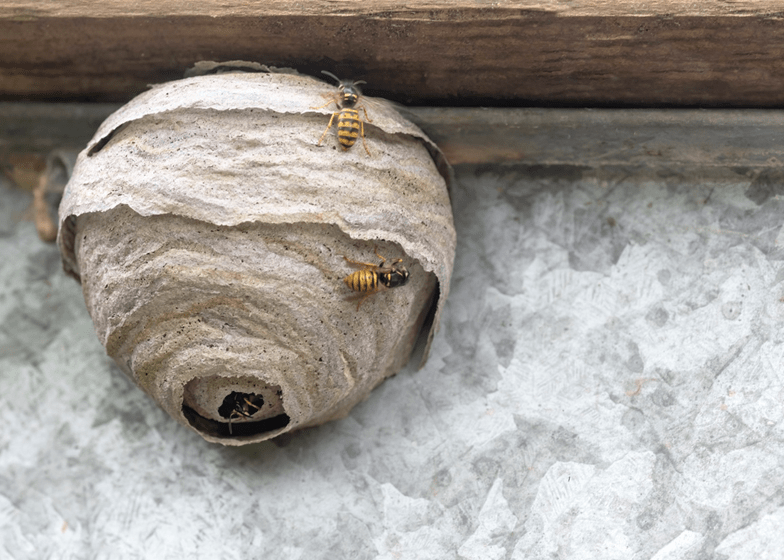
Having a bee nest near your home can be concerning, especially if you or your family members are allergic to bee stings. While bees play a vital role in our ecosystem, their nests can sometimes pose a threat to our health. When it comes to dealing with bees near your home, understanding the distinction between a bee nest and a hive is crucial. A nest typically refers to a structure created by solitary bees or wasps where a single female bee lays her eggs, while a hive is a more complex, communal living space used by social bees, like honeybees, to house their colony. If you find yourself with a bee nest or hive close to your home, it’s important to address the situation carefully. Learn how to get rid of a bee nest while minimizing harm to these beneficial creatures.

What to do if you see a swarm of bees near your home
If you see a swarm of bees near your home, it’s important to remember that bees, especially honey bees, are beneficial pollinators essential for the growth of many fruits and vegetables. The U.S. Environmental Protection Agency (EPA) and other organizations advocate against killing bees due to their declining numbers.
If you encounter a swarm, prioritize safety by keeping your distance and avoiding any actions that could provoke them. Most bees will only sting if they feel their hive or queen is threatened. Swarms typically cluster on branches, bushes, or posts, so steering clear of these areas can help minimize the risk of stings.
How to get rid of a beehive
A beehive located in or near your home can pose several risks, making prompt action essential. While “beehive” is commonly used, the more accurate term for their home is a bee nest. Regardless of terminology, leaving a hive or nest unchecked can attract more bees and lead to a larger, more aggressive colony that may threaten your safety. Bees can become defensive if they feel their nest is threatened, leading to potential stings that can cause allergic reactions in some individuals. For safe and effective bee hive removal, follow these six steps.

1. Identify the type of bee
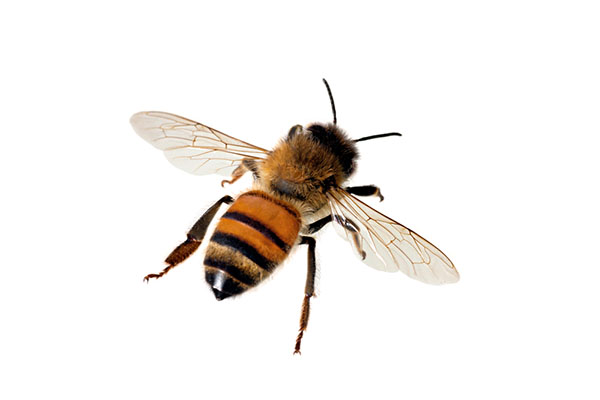
Identifying the type of bee is a crucial first step for bee nest removal. For instance, honeybees are generally less aggressive and can be managed using more gentle approaches, such as hive manipulation or trapping. In contrast, bumblebees tend to be more docile but can still present challenges due to their nesting habits, often found in tight spaces or underground. On the other hand, wasps, which are often mistaken for bees, can be much more aggressive and require more caution when dealing with them, as they can sting multiple times and are more likely to defend their nests aggressively.
2. Find where the bees are coming from
Knowing the location of a bee nest is an important first step in understanding how to get rid of a bee nest safely and effectively. Identifying the nest not only ensures that individuals can avoid unwanted stings but also aids in protecting beneficial bee populations that contribute to pollination. Common places in and around homes where bee nests might be found include cracks in walls or foundations, attics, eaves of roofs, and hollow trees. Additionally, bees often build nests in garden areas, under patios, or in sheds. Some species, like bumblebees, may nest in abandoned rodent burrows or under shrubs, while honeybees can be found in beehives or within walls if they’ve established a colony.
3. Contact your local beekeeper
Bees play a beneficial role in our ecosystem, and it’s important to protect them. If the bees in your yard are honey bees, it’s likely that a local beekeeper may be able to take them off your hands at little to no cost, depending on the location of the hive or swarm. To find out if there are beekeepers in your area that offer honey bee nest removal, check with the American Beekeeping Federation. For other bee species or large indoor hives, getting rid of bees may require consulting a pest management professional.
4. Call a professional pest control service for bee nest removal
Calling a professional pest control service for bee nest removal offers numerous benefits. Professionals are trained to handle bee situations with care and expertise, ensuring that the removal process minimizes harm to these essential pollinators. Additionally, professionals have the right equipment and protective gear, allowing them to reach difficult locations where bees may establish their nests, such as high eaves or inside walls. At Terminix, our bee control services can help remove and relocate bees from your property.
5. Avoid DIY
It’s tempting to try to spray the hive or attempt to catch the bees inside a trap. Before you do, think about what could go wrong. Bee extermination is difficult for a number of reasons, including the fact that many commonly sold insecticides are banned for use near bees by the EPA. This means that the use of such products on bees is illegal. With traps, you wind up needing to dispose of a container full of angry insects. Additionally, if your trap isn’t successful in capturing all of the bees, the rest of the hive will remain an issue.
Attempting to remove a bee nest without proper knowledge and equipment can lead to dangerous situations. If you have bees in your yard, do not approach or attempt to disturb the nest; this can provoke the bees, leading to aggressive behavior and stings. Instead, call a professional like Terminix that can help with bee nest removal.
6. Prevent future bee hives
Are you wondering what to do if bees are in your walls or other parts of your home, like your attic? Bees in walls or cavities often leave behind honey and other residues that could attract animals and certain insects. This can lead to infestations of destructive pests like rodents or wildlife. To prevent a larger problem, get rid of any leftover honeycomb, repair damaged walls, and seal the entry points bees used to get into your home.
By following these steps, you can minimize the risk of being stung and ensure that any bees stopping by your home won’t remain there for long. Bee removal shouldn’t be a solo endeavor — call Terminix for bee control if you have questions.