How to tell if you have a bee sting allergy?
Content Updated: August 15, 2025
A bee sting can truly be a buzzkill, with a sudden, sharp pain that can leave you feeling on edge. It's essential to recognize that while most stings are just a nuisance, some people can experience severe reactions. Understanding the signs of a bee sting allergy means you can respond quickly and effectively. If you suspect you are experiencing a bee sting reaction, it is always best to consult a medical professional.
Normal bee sting reactions
The Mayo Clinic describes the differences between mild, moderate, and severe (allergic) reactions and reactions to multiple bee stings. Always consult your physician for guidance on preventing and treating bee sting reactions or a bee sting allergy.
Mild bee sting reactions
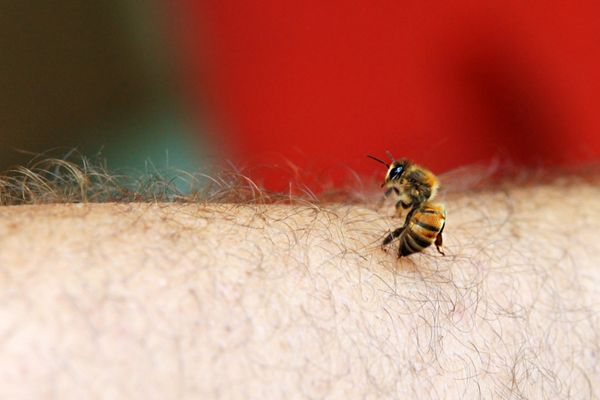
While most mild bee stings are manageable, individual reactions and recovery can differ. Here’s how to tell if you have a mild bee sting reaction:
- Symptoms: Sharp burning sensation, red welt, small white mark at the sting site, mild swelling.
- Recovery: Often within a few hours, but can vary. Some people may also develop hard lumps at the sting site as part of the body's inflammatory response, which can take time to resolve.
- Intensity: Normal bee sting reaction.
- Treatment: Monitor bite and seek medical attention if symptoms worsen.
Moderate bee sting reactions
When dealing with a moderate bee sting reaction, it's essential to watch for specific signs. If the bee sting swells or symptoms worsen over time, it may indicate a potential bee sting allergy and require medical attention.
- Symptoms: Extreme redness and swelling that intensifies over a couple of days.
- Recovery: Five to 10 days, but can vary.
- Intensity: Moderate reaction, which might not predict future bee sting reactions.
- Treatment: See a doctor if symptoms fail to improve within a few days. Discuss treatment options with your healthcare provider, especially if the bee sting allergic reaction worsens over time.
How to treat normal bee sting reactions
When a bee stings, its venom enters your system and is metabolized by your body over a few hours to several days, depending on your individual reaction and overall health. For a normal bee sting reaction, the Mayo Clinic recommends these steps:
- Remove the stinger: Gently scrape it with a credit card or tweezers. If the bee stinger is not removed promptly, it can continue releasing venom into the skin, increasing bee sting swelling and pain.
- Clean the area: Wash the sting site thoroughly with soap and water to prevent infection.
- Apply a cold compress: Use a cold pack or compress to help reduce swelling and discomfort.
- Monitor for infection: Check the area for signs of infection, such as increased redness, warmth, worsening swelling, pus, or fever.
- Seek medical attention: If signs of infection develop or you experience severe symptoms, seek medical help promptly.
For more detailed information on bee sting allergies or symptoms, visit the Mayo Clinic's official website for further guidance.1
Severe bee sting allergic reactions (anaphylaxis)
For some individuals, a bee sting can trigger a severe, potentially life-threatening allergic reaction called anaphylaxis. This bee sting allergic reaction occurs rapidly as the immune system floods the body with chemicals, potentially leading to shock and airway constriction.
- Mild anaphylaxis symptoms: Hives, itching, dizziness, vomiting, and nausea.
- Severe anaphylaxis symptoms: Difficulty breathing, swelling of the throat, rapid pulse, drop in blood pressure, or loss of consciousness.
- Recovery: May vary, but symptoms may persist for several days and require monitoring.
- Intensity: Severe reactions are classified as high intensity and can be fatal if not treated promptly.
- Treatment: Immediate administration of epinephrine (such as an EpiPen) is crucial, followed by further evaluation and treatment from a medical professional, as the Mayo Clinic advises.1 Always consult a healthcare professional for personalized health advice and emergency protocols.
Serum sickness (delayed bee sting reactions)
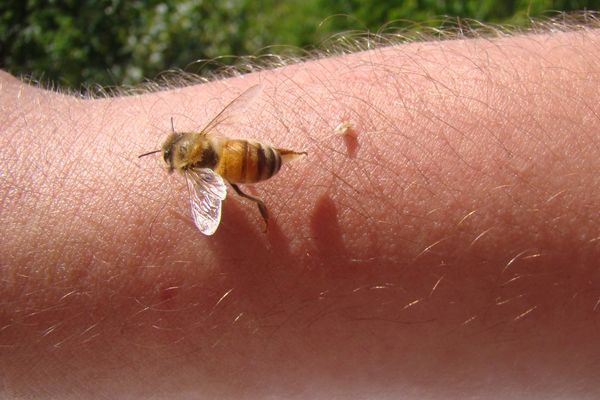
Serum sickness is a delayed allergic reaction to specific foreign proteins, often found in medicines or after insect stings. Unlike immediate bee sting allergic reactions, serum sickness develops several days to weeks after exposure.
- Symptoms: Skin rash, fever, joint pain, swelling, and general feeling of illness (malaise, discomfort, fatigue). Less common symptoms include nausea, vomiting, or headache.
- Recovery: Symptoms typically last several weeks once the offending agent is removed from the body.
- Intensity: Generally not life-threatening. It's a systemic Type III hypersensitivity reaction, affecting multiple body systems.
- Treatment: Consult a doctor to identify and eliminate the cause correctly. Always consult a healthcare professional for a professional diagnosis and guidance.
Multiple bee sting reactions
Certain bees, like bumblebees and carpenter bees, have smooth stingers that let them sting multiple times. Being stung by numerous bees, even for individuals without a known bee sting allergy, can be dangerous. The accumulated venom can lead to a toxic reaction, potentially requiring emergency medical care.
- Symptoms: Nausea, vomiting, diarrhea, headache, vertigo, fainting, convulsions, or fever.
- Recovery: After medical treatment.
- Intensity: When you get stung more than 12 times, the venom may produce a toxic reaction. Multiple stings can be a medical emergency in children, older adults, or individuals with heart or breathing problems.
- Treatment: Seek prompt medical care.
Bee sting prevention tips
Staying sting-free often comes down to awareness and simple precautions. Be vigilant when outdoors, especially near flowers or uncovered food. Wear neutral colors, avoid strong scents, and stay calm and move away slowly if a bee approaches. Consulting your doctor about allergy shots can help reduce future reaction severity for those with severe bee sting allergies.
Beyond personal steps, ongoing bee control services can help responsibly manage bee populations around your home. Our experts prioritize safe solutions, including the responsible relocation of honey bees when able, and implement preventive measures to help keep bees away. Get started with Terminix bee control services today!
1Bee sting treatment information is sourced from the Mayo Clinic and should not be considered a substitute for professional medical advice, diagnosis, or treatment.