Education
Do bees hibernate? How honey bees survive cold winters
Content Updated: August 15, 2025
We’re all familiar with the sight of honey bees in spring and summer, busily traveling from flower to flower in search of nectar to make honey. But where do bees go in the winter, and what happens to them?
How do honey bees survive winter?
Do bees hibernate? While most bees and wasps hibernate in winter, honey bees can strategically survive winter. In the insect world, multiple strategies can help insects, like bees, survive winter, including hibernation and diapause. Diapause is a built-in pause in an insect’s development that helps it survive harsh conditions.
What do bees do in the winter?
What happens to bees in the winter? Once temperatures drop, honey bees must stay warm and have enough food to survive. They rely on stored honey as an energy source to generate heat and maintain a stable hive temperature. If their honey supply runs out, the colony can freeze before spring arrives.
As summer turns to fall and nectar sources disappear, honey bees begin to settle in. They cluster tightly inside the hive for warmth, and the queen stops laying eggs in late fall and early winter to conserve resources.
Unlike honey bees, bumble bees and carpenter bees don’t keep their colonies going through the winter. For these species, only the fertilized queen survives by finding a sheltered place to hibernate. She reemerges in the spring to start a new colony.
The honey bee cluster
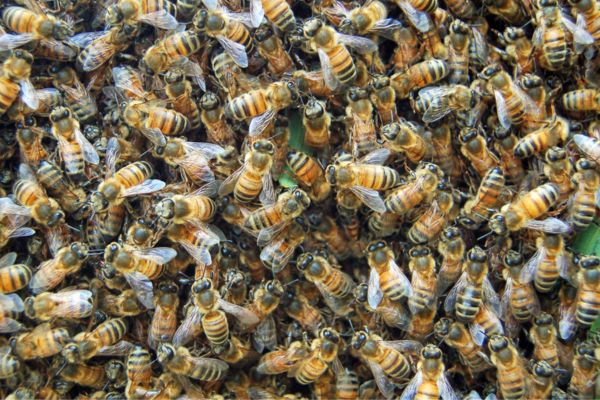
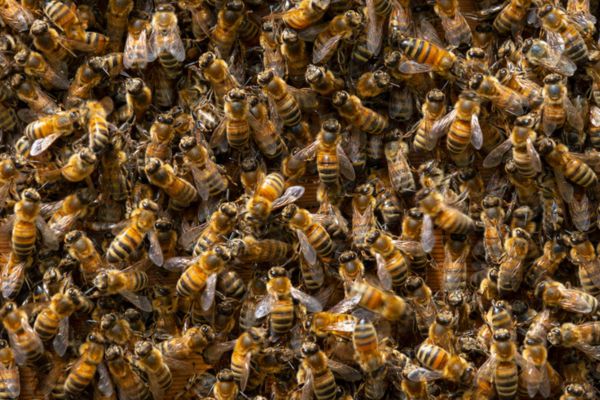
So, what do bees do in the winter? Honey bees form a tight cluster around the queen and young bees to stay warm. The bees on the inside eat stored honey for energy, while those on the outside act as insulation to protect the group from the cold.
When the temperature reaches about 57°F, the cluster tightens, and the bees remain relatively motionless. The combined body heat generated by the bees in the outer ring of the cluster is sufficient to keep the colony warm.
However, they may freeze if temperatures drop too low, typically below 41°F, and the bees can't maintain cluster heat or access food. Unfortunately, many colonies don’t survive the season. U.S. beekeepers report average winter losses of 30–40% each year.1
How honey bees stay warm
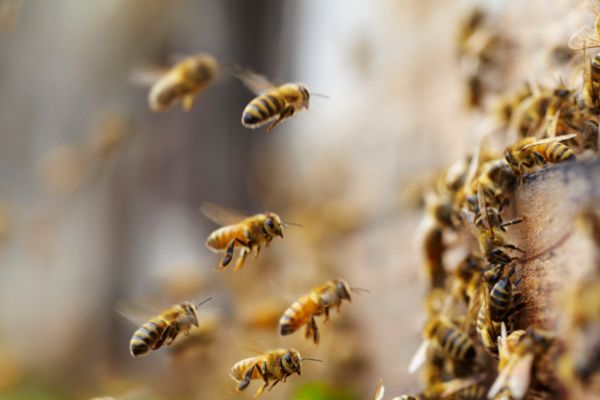
How do bees survive the winter? As it gets colder, honey bee workers warm the hive by vibrating their flight muscles without flying. This creates heat, and together, they can keep the center of the cluster around 93°F, even when it’s freezing outside. When the weather warms up, they move as a group to reach more food stored in the hive.
This ability to generate heat through muscle movement is unique to honey bees. Bumblebee queens also shiver to stay warm in their overwintering burrows. Carpenter bees and most solitary bee species don’t generate heat and instead survive winter by entering a state of dormancy or hibernation in protected spots.
Do bees still make honey in the winter?
No, bees do not make honey in the winter. During the cold months, honey bees stay inside the hive and live off the honey they produced and stored during the warmer seasons. It's too cold for them to forage, and flowers aren't blooming, so instead of making more honey, they focus on conserving energy and staying warm.
Other challenges bees face in the winter
A few other factors can affect what happens to bees in the winter. Common winter threats to bees include predators like mice and birds that may invade hives seeking shelter or food. Additionally, moisture buildup inside the hive can lead to mold or cold stress, weakening the colony. Starvation is also a major risk if bees run out of stored honey.
Climate change and warmer winters can affect bee behavior by disrupting their natural cycles. Milder winters can cause bees to become active too early, using precious honey stores before flowers bloom. This early activity increases the risk of starvation and exposes bees to colder snaps, making survival more challenging.
1Source: https://apiaryinspectors.org/US-beekeeping-survey-24-25