Home Garden
What does a dead bed bug look like?
Is that a bed bug shell or a dead bed bug? Learn how to tell the difference.
Updated: June 30, 2025
Is it normal to see bed bugs after treatment? If they’re dead, yes. Two factors can determine when noticeable results will occur. This includes the size of the infestation and the treatment you select. It’s a huge relief to see your bed bug treatment working, but what should you do next? In this article, we’ll explain how to identify dead bed bugs after treatment, what steps to take if you find them, and how to recognize early warning signs to prevent a possible new infestation.
Jump to section:
What do dead bed bugs look like?
How can I tell if bed bugs are dead?
What should I do after finding dead bed bugs?
Early detection signs of a bed bug infestation
How can I get rid of and prevent a bed bug infestation?
What do dead bed bugs look like?
Dead bed bugs can show up even weeks after getting a bed bug treatment. Here’s what dead bed bugs can look like at different stages:
After a few days: Round or oval-shaped body about the size of an apple seed with a reddish-brown color. Dead bed bugs are usually found lying on their backs with their legs curled.
After a week or more: Shriveled and smaller in size, as they decay, their body can turn black.
Since bed bugs are a smaller, beetle-like bug, they can be easily mistaken for other pests. Some bugs that are commonly mistaken for bed bugs include fleas, ticks, carpet beetles, and book lice. Smaller brown bugs like these can appear very similar, but their behavior and habitat can be clues that they are just look-alikes. If you are unsure if you’ve spotted a bed bug or another type of bug, scheduling an appointment with a pest control professional, like Terminix, can help you identify your pest problem.
Bed bug shells vs. dead bed bugs
Whether you are dealing with a potential bed bug infestation or the aftermath of one, it's common to find bed bug shells with live or dead bugs. Bed bugs molt as they grow, leaving behind their exoskeletons. Here's how to tell the difference between bed bug shells and dead bed bugs:
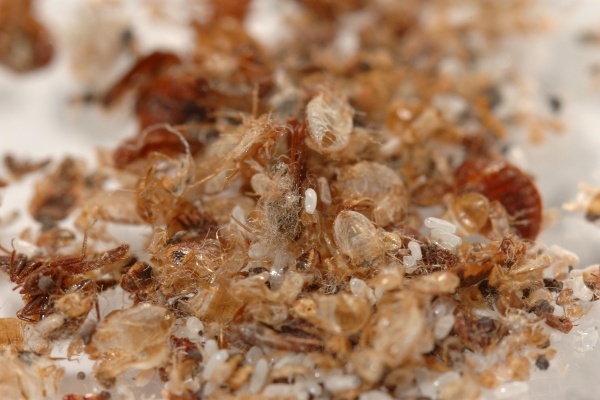
Bed bug shells (shed skins)
- Color: Translucent or pale yellow in color
- Appearance: Hollow, lightweight, and appears dry
- Other characteristics: Since shells are just bed bug exoskeletons, they do not contain any blood like a bed bug's body
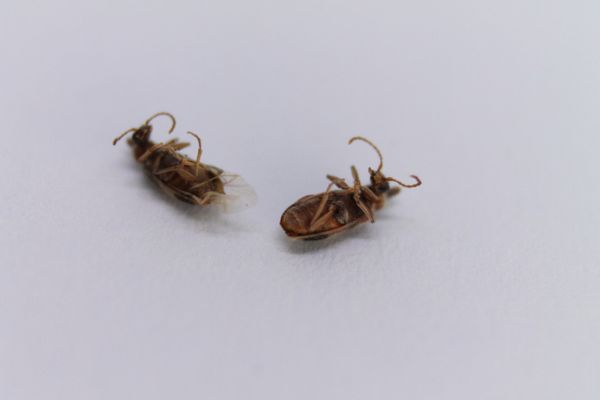
Dead bed bugs
- Color: Reddish-brown if recently dead, black after more decay
- Appearance: Rounded body or can be shriveled and small
- Other characteristics: Dead bed bugs can be found lying on their back with legs curled in. They can have traces of blood, which dry and turn black as they decay.
How can I tell if bed bugs are dead?
If you get a bed bug treatment, it’s common to see both dead and live bed bugs as the infestation dies out. Live bed bugs will move when disturbed, while dead ones stay still and may look dried out or curled up.
You can monitor how your treatment is working against a bed bug infestation by checking these hot spots for bed bugs:
- Look in mattress seams, box springs, headboards, and baseboards
- Use a flashlight for hard-to-see areas
- Focus on spots near where you sleep
Without the help of a professional pest control expert, there are some mistakes you can make while checking for bed bugs. Bed bugs are most active at night, so checking during the day can make spotting these pests difficult. Also, mistaking other small insects, shed skins, or droppings for live bed bugs can be easy to do. But remember, you’re not in this alone. When you get professional bed bug treatment from Terminix, we schedule follow-up appointments to check if the bed bug infestation is gone or needs further treatment.
What should I do after finding dead bed bugs?
If you find dead bed bugs after treatment, you may need to do some minor cleanup. Try methods like:
- Vacuuming dead bed bugs and debris. Using crevice attachments, you can reach dead bed bugs in beds or hidden in between objects in your home.
- Washing infested bedding. We recommend washing clothes, sheets, blankets, pillows, and pillowcases. Machine washing and drying at higher temperatures, when possible, will kill any remaining bed bugs and eggs.
- Sanitizing rooms with an infestation. Consider wiping down surrounding furniture like your bed frame, nightstand, dresser and even floorboards with a household cleaner.
It's possible to see some bed bug activity up to a few weeks after treatment. Most methods, like conventional chemical treatments and heat treatments, will leave dead bed bugs behind that will need clean-up. Heat treatments work more instantaneously, while chemical treatments work over weeks and may require more follow-ups.
Early detection signs of a bed bug infestation
Even after treatment, it’s important to continue checking for other signs of bed bugs to make sure the infestation is fully gone. Along with watching for live or dead bugs, check for tiny white bed bug eggs, which are often hidden in seams of mattresses or in the cracks or crevices of furniture. These eggs can be hard to see and even harder to eliminate, especially if they survive initial bed bug infestation treatment.
Even after successfully treating an infestation, knowing how to detect bed bugs early can help prevent them from coming back. Early signs of a bed bug infestation include:
- Tiny dark spots on sheets or mattresses
- Shed skins or dead bed bug shells by the mattress seams or furniture cracks
- A musty, unpleasant odor in heavily infested areas
- Live bed bugs coming out from their nest at night
- Small, itchy red bites on your skin, often in a line or cluster
How can I get rid of and prevent bed bug infestations?
By scheduling an appointment with Terminix, our trained technicians can create a customized treatment plan for your home. Some treatments may require follow-up appointments, but Terminix can work to help keep bed bugs out of your home.
Professional bed bug treatment is the most effective way to handle an infestation, as bed bugs are experts at hiding, which makes them difficult to detect without trained expertise. Along with targeted treatment, our team can provide prevention tips—such as reducing clutter, using mattress covers, and checking sleeping areas regularly—to help keep bed bugs from coming back. Ready to get started? Schedule a free bed bug inspection today.