Home Garden
Rat protection tips for your home
When rats get into the home life can get a little messy. Learn how to protect your home from rats with these rat prevention methods.
Content Updated: October 2, 2025
Key Takeaways:
- Rats can spread over 35 diseases and damage your home or property.
- Sealing entry points and eliminating ways for rodents to climb inside can help prevent rats from entering the house.
- Rat repellents, traps, baits, and calling a professional are the best ways to get rid of rodents.
- It’s important to use caution when handling dead rodents, as they can spread disease to humans and pets.
Jump to section:
Rats can do more than just contaminate food and damage buildings; they can jeopardize your family's health. Worldwide, rodents like rats and mice spread more than 35 diseases, and in the U.S., Norway rats and roof rats are some of the most common perpetrators. These diseases can be transmitted to people directly, through contact with rats or their feces, urine, or saliva; or indirectly, through ticks, mites, or fleas that have fed on an infected rodent. The rat's lifecycle allows them to have seven to 10 litters per year, with six to 10 babies per litter. Which means it doesn’t take long for a rat infestation to develop in your home. You should know how to prevent rats from entering your house and when it's time to call a rat exterminator if they do sneak in.
Tips to help protect your home from rats
If rodents find their way inside, it’s important to take action and protect your house from rats. Learn some of the best methods to help with rat protection for your home.
Seal entry points
Limit rats’ access to your home by sealing holes in interior and exterior walls and floors. If a rat can get its head through a hole, it can squeeze the rest of its body through the opening. A rat can gnaw on a tiny hole and turn it into a hole large enough to squeeze through. Rodent exclusion involves plugging holes with a durable, steel mesh. This can help prevent rats from entering the house.
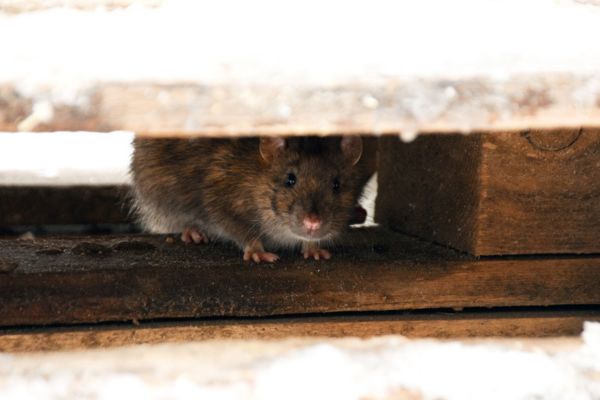
Eliminate ways for rats to climb into your home
Rats are agile climbers, capable of scaling walls and other vertical surfaces with ease due to their strong hind legs and sharp claws. Here are a few practical steps you can take to help prevent rats from entering your home:
Trim tree branches away from your roof and utility lines.
Remove vines, such as ivy, from the walls.
Put metal or plastic sheeting or tree guards around tree trunks or pipes that rats may climb to get into your house.
If rats are active in your area, avoid feeding birds and routinely harvest vegetable crops.
Keep lids on your trash cans to eliminate food sources
Eliminate outdoor water sources.
Limit access to food and water. Keep lids on your trash cans and eliminate outdoor water sources to make your home less appealing to hungry and thirsty pests.
How to remove rats from your house
First things first: confirm that rats are the problem
Many types of creatures can make their way into your home. Effective rat prevention starts with proper identification. Should you suspect you have a rat infestation, you'll want to conduct a thorough inspection. Though working with a professional is the best option, you can look for the following signs of rat infestation:
Rat droppings around food packages, in drawers and cupboards, and under the sink
Evidence of gnawing on food packaging or other materials
Rat tracks (footprints or tail marks)
Nest materials such as shredded paper, furniture stuffing, or other soft material
Scurrying sounds or squeaking in the walls
Burrows
Dead rats
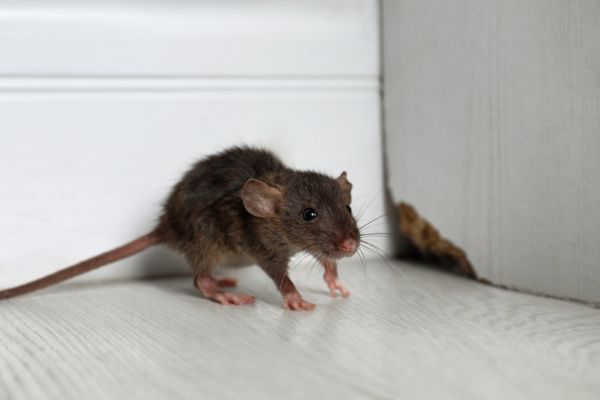
Method 1: Call the pros
A professional Terminix technician can provide the insight and expertise you need to get rid of a rat problem as quickly and efficiently as possible. With more than 85 years of experience, our technicians are rat prevention experts and know where rodents like to hide and have the tools to prevent them from coming back. Terminix technicians treat the root of the infestation, helping to protect your house from rats.
Method 2: Rat repellent
One method for rat protection in the home is Ultrasonic rat repellents which are designed to produce a high-frequency sound that repels rats. Laboratory tests have shown that most of these rat repellents don’t work as advertised. Other options include natural and household rat repellent recipes, like peppermint and clove oil, which have odors that rats don’t like. You may even try to use the smell of dogs or cats as a repellent, but unfortunately, your furry friends won't keep rodents away.
Method 3: Rat traps
Use a snap trap designed for getting rid of rats, not getting rid of mice. Read the instructions before setting the rat traps. Set the rat traps in areas with signs of rat activity. Be sure traps are out of reach of children and pets, as they can cause injuries.
The Centers for Disease Control and Prevention doesn’t recommend using live traps or glue traps. Rats caught in live traps may urinate when they are frightened. This urine may contain germs, increasing your risk of disease.
Method 4: Rat bait
Rat bait typically contains anticoagulants or other toxic substances that disrupt the rat's ability to clot blood or cause internal damage when ingested. Once the rat consumes the bait, it may take several days for the symptoms to manifest. However, using poison rat bait requires training and good judgment. We recommend contacting a professional if you feel it's necessary to use a rodenticide, but if you choose to use rat bait, read and follow the instructions very carefully.
What to do when you find a dead rat
If you find a dead rat, it’s crucial to exercise caution. The diseases rats carry can pose serious health risks to humans and pets. That's why it’s best to leave rodent control to the professionals at Terminix. However, if you need to clean up dead rodents in your home fast, here are some steps to take.
Wear rubber, latex, or vinyl gloves when cleaning up dead rats.
Ventilate the area. (Our experts also suggest wearing appropriate breathing protection.)
Spray the dead rat or nest and the surrounding area with a household disinfectant or a mixture of bleach and water (one part bleach to nine parts water).
Spray the dead rat, nesting materials, or droppings in the disinfectant solution for five minutes before wiping up with a paper towel or rag.
Place the dead rat in a plastic bag and seal it tightly. Place the full bag in a second plastic bag and seal it.
Place the bag into a covered trash can that is regularly emptied.
Remove your gloves. Thoroughly wash your hands with soap and water (or use a waterless alcohol-based hand rub when soap is not available and hands are not visibly soiled).
If your DIY efforts to prevent and remove rats aren’t successful, contact a rodent exterminator at Terminix to schedule a free inspection. Our rodent control technicians know the best rat protection methods for the home and how to remove rats efficiently.