Home Garden
Wasp nest removal steps and tips
Wasps and hornets can create many challenges for homeowners, especially during the warmer months when they’re most active. Common species in the U.S., like the European hornet, bald-faced hornet, yellow jacket, and paper wasp, can become quite aggressive if they feel threatened. If you find a nest around your home, acting swiftly and wisely is key to avoiding painful stings from these winged warriors.
Content Updated: August 5, 2025
Identifying a wasp nest
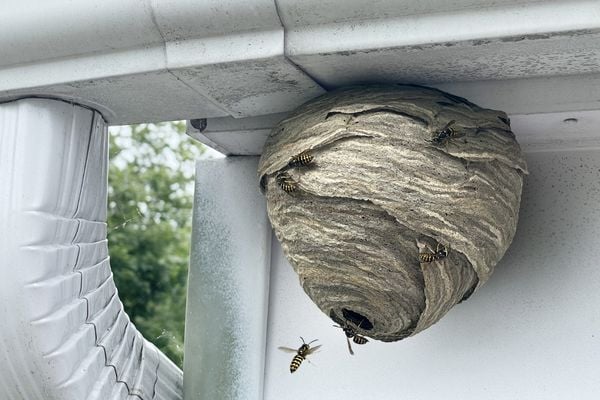
A wasp nest can be a common concern for homeowners, and knowing what to look for is key to effective wasp nest removal. These nests are typically gray or brownish, with a distinct papery, swirled appearance, often resembling an upside-down teardrop or a rounded ball. While they can start as small as a golf ball, they can quickly expand to the size of a basketball or larger. The most telling sign of a nest is increased wasp activity, especially if you see a consistent flow of wasps entering and exiting a specific area, whether an eave, shed, or tree branch.
Can I just destroy a wasp nest myself?
When you spot a wasp nest, it might be tempting to try a DIY solution, but that's a risky move. Wasps are fiercely protective of their colonies and can sting multiple times. If you find yourself near a nest, staying calm and avoiding sudden movements is crucial; swatting at them will only escalate their aggression. The best course of action is to contact a professional wasp nest removal service. Terminix wasp nest removal experts have the right gear, specialized equipment, and knowledge to handle the situation appropriately.
How to get rid of a wasp nest
Wasp nests are built in spring and grow throughout the summer, usually declining in late autumn as temperatures drop and food runs low. The worker wasps and old queens die off, while newly mated queens hibernate to start new nests the following spring. Leaving an old nest alone means more queens could emerge, increasing the chances of more nests around your property next year. Nests typically last three to four months, depending on the species and conditions.
Because wasps can be aggressive and their stings can hurt, it’s essential to be cautious when dealing with wasp nest removal. Here’s what to do:
- Observe from a distance: Maintain a safe distance from the nest. Do not approach it closely or attempt to poke, prod, or disturb it in any way.
- Identify activity: Watch for consistent wasp traffic in and out of the nest. This confirms it's active and requires attention.
- Avoid DIY solutions: Resist the urge to spray the nest with household chemicals, water, or try to knock it down. These actions will provoke the wasps and increase your risk of being stung.
- Contact a professional: The safest and most effective method for removing a wasp nest is to call a professional wasp nest removal expert.
Be careful of DIY advice
Relying on do-it-yourself methods like store-bought sprays or homemade concoctions may seem like a quick fix to get rid of wasps or hornets, but these approaches often fall short. Many sprays only kill the wasps on the surface, leaving the queen and the rest of the colony intact, resulting in nest rebuilding. These methods typically only agitate the stinging pests, which can lead to painful stings. Ultimately, they can create bigger problems instead of solving them, so it’s better to go with professional help.
Call in the professionals
If you need help with wasp or hornet nest removal services, hiring a pest control professional is always best. Our trained technicians come equipped with specialized tools and treatments for effective removal. Often, our technicians can get rid of the nest in just one visit, but it can depend on the size and location of the nest. Typically, Terminix experts can effectively remove a nest in a single visit, though some larger or more complex situations might require a follow-up. Terminix technicians also handle the wasp nest disposal, ensuring they are properly eliminated and removed from your property.
Tips to keep wasps away
Taking proactive measures to help prevent wasps and hornets from settling around your property is crucial. Here are some practical tips to help keep these pests at bay:
- Seal any cracks or openings in your home’s exterior
- Keep food and trash secured and covered
- Regularly check and remove any old nests
- Remove debris and maintain a tidy yard
Once a wasp nest has been removed, monitoring the area for any signs of new activity is essential to ensure no new nests are established nearby. If you notice stinging pest activity returning, don't hesitate to contact a professional before it becomes a larger issue. Get started with Teminix hornet or wasp nest removal services today!