

Understanding fiberglass insulation installation for your home
Content Updated: February 17th, 2026
Key Takeaways:
Fiberglass insulation is available in three main forms: roll, batt, and blown-in, making it suitable for various applications, including attics, walls, and crawl spaces.
The effectiveness of fiberglass insulation is determined by its R-value, which ranges from R-13 to R-60. This value indicates high thermal performance for energy efficiency.
The Occupational Safety and Health Administration (OSHA) of the U.S. Department of Labor mandates that all products containing fiberglass be labeled as both a potential carcinogen and as an irritant for skin, lungs, and eyes.
Although fiberglass insulation has a long lifespan, it is recommended to inspect it every few years for damage or settling to maintain its effectiveness and energy-saving benefits.
Jump to section:
As a homeowner, you’re always looking for the most efficient and cost-effective ways to make your home comfortable and energy-efficient. One of the best ways to achieve this is through attic insulation. Fiberglass insulation is a versatile and affordable option for many homeowners, but with all the options available on the market, is fiberglass insulation the optimal choice for your home? While Terminix only offers fiberglass insulation installation for crawl spaces, it is still a common choice for attic insulation.
Choosing between the different types of insulation means considering factors like what type of insulation you need, such as batt insulation or roll insulation, and thermal performance. Whether you're looking to reduce energy bills, improve your home's noise resistance, or want extra protection to keep pests out, make an informed decision about which insulation is right for your home.
Learn more about our home services
What is fiberglass insulation?
Fiberglass insulation is made up of super fine strands of recycled glass fibers. This insulation is available in three main forms: roll insulation, batt insulation, and blown-in insulation.
Fiberglass insulation is installed in attics, walls, and crawl spaces. Its effectiveness can be measured by its R-value, and it is based on the thickness of the insulation. The higher the insulation's R-value, the better the insulation's thermal performance.
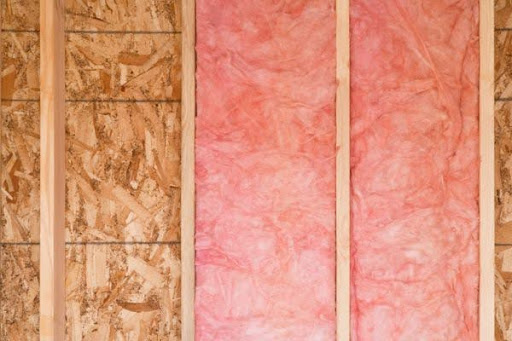
Roll vs batt vs blown-in fiberglass insulation
Roll insulation comes in long, continuous sheets and is best suited for large areas like attics or floors where complete coverage is needed. Batt insulation is pre-cut into sections and works well in standard stud or joist spacing, making it ideal for walls, ceilings, and floors. On the other hand, blown-in fiberglass insulation is applied using a machine that distributes loose fibers, allowing it to easily fill irregular spaces and cavities.
Advantages and disadvantages of fiberglass
Fiberglass insulation is popular for its versatility and affordability. It's an excellent insulator, both for temperature and sound, and its ability to come as roll insulation or batt insulation can help it adapt to a wide variety of spaces.
However, fiberglass insulation also has its drawbacks. The Occupational Safety and Health Administration (OSHA) of the U.S. Department of Labor mandates that all products containing fiberglass be labeled as both a potential carcinogen and as an irritant for skin, lungs, and eyes. Fiberglass is currently classified as an animal carcinogen, not a human carcinogen.
Another concern people have is the product's flammability. Because it's made of glass, the fiberglass itself won't burn, but it can melt if exposed to a hot enough heat source. During a fiberglass insulation installation, it is often packed and installed with a paper shell, which can burn. Caution should be taken when working with fiberglass insulation to prevent skin irritation and the accidental inhalation of loose fibers. Exposure to loose glass fibers typically occurs when the fiberglass has been damaged or is not installed properly. Additionally, fiberglass insulation can lose its R-value over time, especially if it becomes compressed or wet, which can diminish its effectiveness in maintaining energy efficiency.
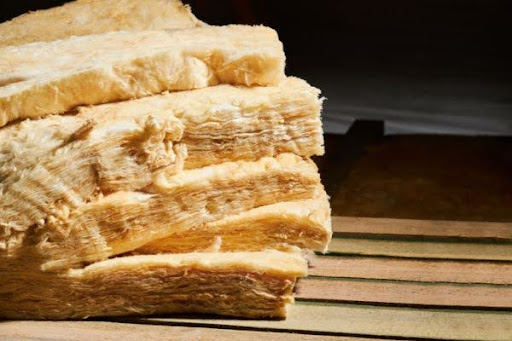
Fiberglass vs. cellulose insulation
Fiberglass and cellulose insulation are both popular choices for attic insulation. Fiberglass insulation is made from fine strands of glass, while our cellulose insulation is made from at least 85% recycled paper.
A fiberglass insulation installation can be blown into attics or cut to fit, while cellulose can be blown into place or as batts. Both options can provide energy efficiency and noise reduction. Cellulose insulation can also be treated with pesticides, while fiberglass cannot.
Ultimately, choosing between fiberglass insulation and cellulose insulation often comes down to the specific needs of your home.
Choosing the right insulation installation services
Choosing the right insulation for your home can seem daunting, but it doesn't have to be. Terminix offers insulation services for both your attic and crawlspace that can help keep your home protected from the elements and pests. With our free attic insulation inspections and step-by-step treatment plans, our technicians are there from start to finish.
Get started with our cellulose attic insulation services today.