Beetles
How to get rid of beetles
Explore the different ways you can get rid of various types of beetles.
Content Updated: October 1, 2025
Key takeaways
- Certain species of beetles respond to treatments differently, so it's vital to identify them before beginning any control methods.
- Physical removal of beetles and careful use of natural repellents or chemical insecticides can generally be effective against most species.
- Carpet beetles, grain beetles, wood-boring beetles, and ground beetles are some of the more common types of beetles that end up in homes—and they each have certain treatment methods that will work best against them.
- If an infestation becomes too severe, it's recommended that you hire a professional pest control company for the most reliable home protection.
Jump to section:
- How do I identify beetles?
- How do I get rid of beetles?
- Targeted beetle control tips
- How can I keep beetles out of my home?
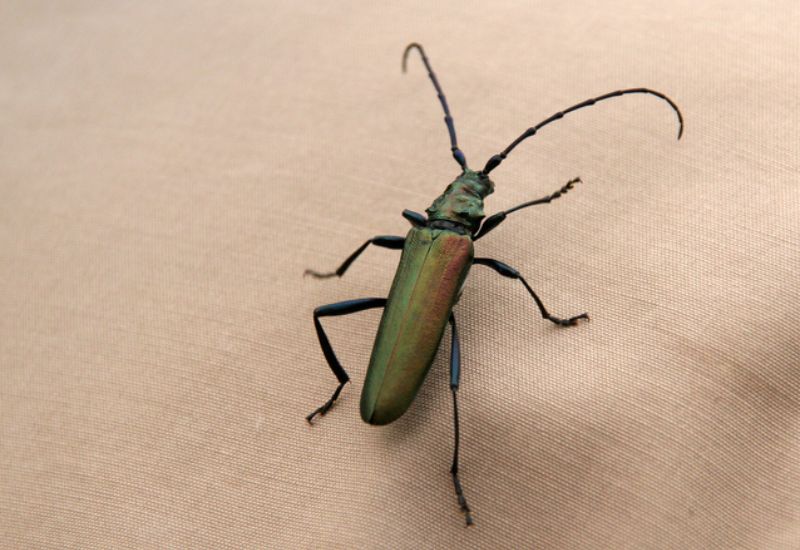
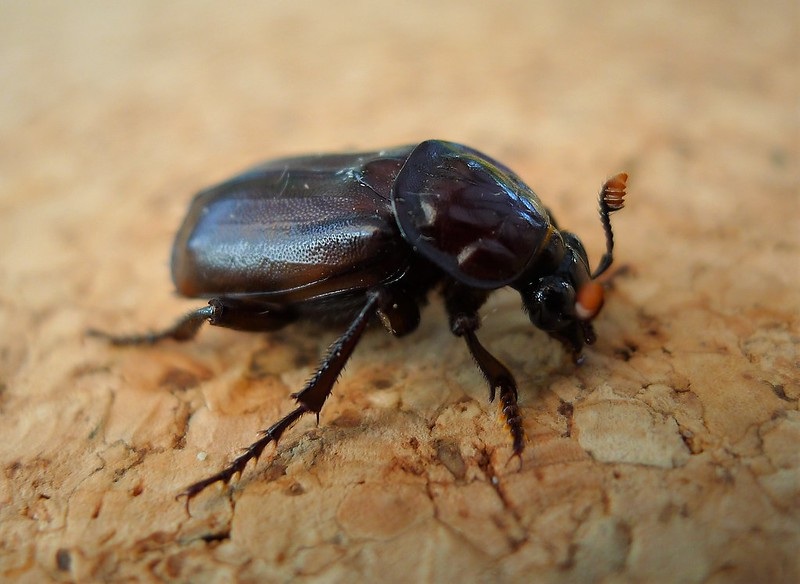
Over 300,000 species of beetles can be found around the world, and they can be as beneficial as they can be destructive, but that doesn't mean you want them in your home. Different kinds of beetles can cause all sorts of problems in your living space, from bark beetles damaging your structural timber to grain beetles invading your pantry.
Like most insects, beetles are primarily drawn to homes because of moisture and food—and, while getting rid of beetles in some cases may be as simple as properly storing food, some beetles are more complicated. Here's what you should know about getting rid of beetles.
How do I identify beetles?
By examining a beetle's appearance and behavior, you can determine what species you're dealing with. If beetles are infesting your home, knowing what kind is vital for establishing the most effective treatment methods.
Beetles found inside homes can be a variety of different species. They range from those infesting stored goods, such as the cigarette or drugstore beetle, to types of wood-boring beetles that can leave you with structural damage.
Some of the more common beetle types include:
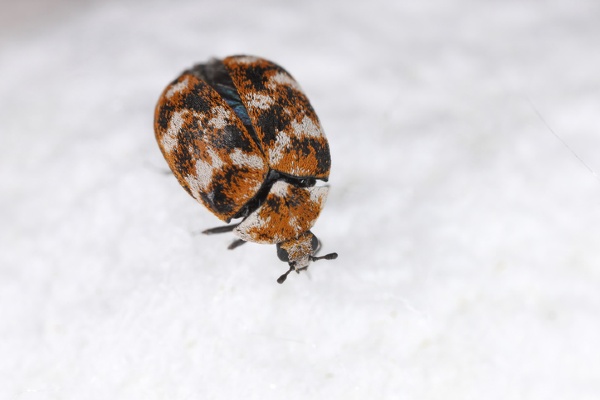
- Carpet beetles: These pests are infamous for chewing holes through fabrics, carpets, and other natural fibers. It's their larval form that's the most destructive.
- Stored product and grain beetles: These insects are often found in pantries and kitchens and are known to consume grain products and other produce.
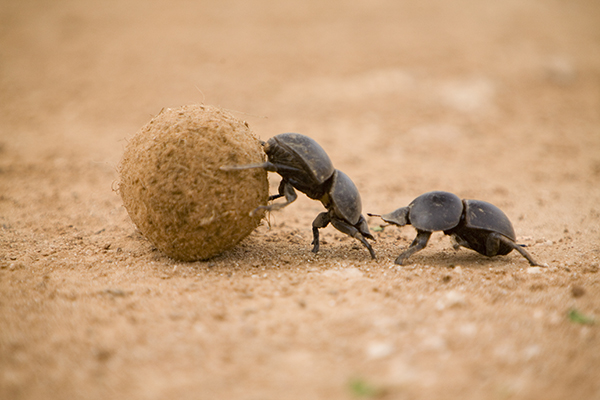
- Ground beetles: Often mistaken for cockroaches. Though ground beetles don't typically cause any damage within homes, their malodorous defensive secretions are irritating and unpleasant.
- Wood-boring beetles: As larvae, the wood they infest provides them with the moisture and sugars that they need to develop. In homes, this means they damage wooden furniture, flooring, and framing.
How do I get rid of beetles?
Physically removing beetles, using natural repellents, or applying insecticides are all ways you can get rid of beetles. The nature and severity of your infestation can help you determine which of these methods is best for you.
Physical beetle removal
If the infestation is small, removing the beetles yourself is a tried-and-true method. Be sure to take all the proper measures:
- Vacuum: Suck up larvae and eggs with a thorough vacuuming session.
- Catch and release: Pick up beetles around the home and relocate them. You can use jars or other containers to help.
- Clean surfaces: Wipe counters, shelves, and the insides of pantries and shelves.
- Wash fabrics: Using hot water to wash your fabrics can help get rid of eggs and larvae.
- Place traps: Effective beetle traps can help you eliminate beetles.
- Seal entry points: Prevent further beetle entry by covering up any cracks or crevices that they may be using to get inside.
Natural beetle repellents
Many natural repellents, like essential oils, can be applied to areas of high beetle activity to help keep them away. Some of the more effective ones include:
- Peppermint oil
- Cedar oil
- Citronella oil
Compared to chemical pesticides, natural repellents may require more frequent applications to ensure effectiveness, so if you want to use natural repellents, then you'll also have to be prepared for regular reapplications. If possible, combining multiple methods can support your efforts.
Insecticides
In cases of severe infestation, insecticides may be necessary. It's important to be careful when using insecticides, so be sure to follow instructions carefully and pay attention to any and all warnings.
Many insecticides come in both liquid and granular forms, so you can use whichever best suits your needs. Common insecticide types that can be used against beetles include:
- Pyrethrin: This chemical paralyzes insect nervous systems. Derived from chrysanthemum flowers, it is the basis for many pyrethroids, synthetic insecticides with similar properties.
- Cyfluthrin: A fast-acting pyrethroid with residual effects and relatively low toxicity for humans.
- Bifenthrin: Good for both ground and wood-boring pests, but highly toxic for aquatic organisms.
- Permethrin: Used as both a medication and as an insecticide, but kills bees and other beneficial pollinators when applied.
- Neem oil: A solution of neem oil, liquid soap, and water can kill both beetles and their larvae.
- Diatomaceous earth: Made from fossilized algae. This powder can damage a beetle's exoskeleton, leading to dehydration and death.
Targeted beetle control tips
Different beetles will respond in different ways to certain treatments, which is why it's important to not only identify the species of beetle invading your home, but also to determine effective and targeted treatment methods to use against them. Here are some of the more common types of beetles, as well as specific methods that will work best against them.
Carpet beetles
Carpet beetles are known for causing damage to fabrics and linens, which is never fun. So, when it comes to getting them out of your house, here are a few steps you can take:
- Vacuum all carpets, furniture, and other fabrics.
- Steam clean carpets, if possible.
- Wash clothes, fabrics, and linens in hot water.
- Spread boric acid on carpets and fabrics.
Stored product and grain beetles
When it comes to these pantry-invading pests, getting rid of them can be easier than you might think. Here's what you can do:
- Eliminate infested foods.
- Use a vacuum cleaner—especially on crevices and cracks.
- Empty your vacuum cleaner bag outside to prevent reinfestation.
- Freeze or bake any remaining food products to kill all remaining eggs or insects.
- Store food in airtight containers.
Ground beetles
As beneficial as these insects can be in the great outdoors, when they make their way inside your home, you'll likely want to be rid of them. Here are some measures you can take:
- Sanitize your home—especially under furniture and in corners where beetles might hide.
- Capture them in jars or by vacuuming them up.
- Seal entryways and prevent further access.
- Turn off bright yellow or white lights at night.
- Keep your grass cut short.
Wood-boring beetles
Wood-boring beetles, such as the Asian long-horned beetle, can potentially make your house structurally unsound if they're given too much opportunity to cause damage. If you notice wood-boring beetles in your home, it's recommended to get professional help as soon as possible to avoid significant damage to the wooden features of your home. Here are a few other steps you can take:
- Remove infested wood and take down any damaged wood items or furnishings.
- Seal entry points and prevent more beetles from entering.
- Control the humidity of your living space with dehumidifiers.
How can I keep beetles out of my home?
One of the best ways to get rid of beetles is to prevent them from entering your home. Here are some steps you can take to help protect your living space from these pesky pests:- Regularly clean and declutter your home.
- Seal entry points to prevent beetles from finding their way inside.
- Store food in airtight containers.
- Use natural repellents regularly to keep beetles away.
- Install screens on windows and doors.