Home Garden
What keeps beetles away?
Learn more about all the different ways you can keep beetles out of your living space.
Content Updated: October 2, 2025
Key takeaways
- Beetles enter homes and properties in search of warmth, food, and shelter—though what they’re looking for specifically will depend on their species.
- There are many ways to prevent beetle infestations, from the application of natural repellents to setting up physical barriers.
- The best method of beetle prevention will depend on your situation.
- Carpet beetles, stored product and grain beetles, ground beetles, and Japanese beetles are some of the most common species of beetle in the US.
Jump to section:
Where do beetles come from? How do beetles get inside?
What can I use to keep beetles away?
Common types of beetles to prepare for
Beetles are some of the most diverse animals out there, with over 300,000 species found worldwide. Because of this, their seasonality and predictability can be difficult to determine. Still, if you’re looking to prevent beetles from making themselves too comfortable in your home, here’s what you should know.
Where do beetles come from? How do beetles get inside?
Beetles enter homes through a variety of means, including:
- Soil, garden goods, or groceries
- Second-hand items and used furniture
- Cracks in the foundation or walls
- Gaps in windows or doors
If a beetle ends up indoors, it’s most likely because they were attracted to the warmth, shelter, and food that could be found inside. Certain beetles will be drawn to different things—for example, carpet beetles tend to seek out natural fibers, while grain beetles are typically in pantries looking for their namesake.
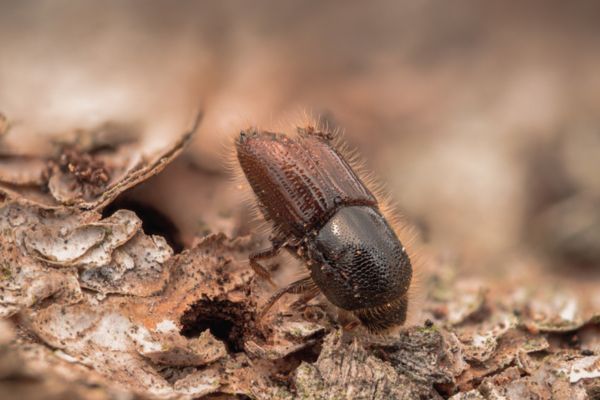
What can I use to keep beetles away?
You can use anything from natural remedies to professional services to keep beetles away. What will work best will ultimately depend on the specifics of your situation.
Natural beetle repellents
If you’re working on a smaller scale or are willing to be diligent in reapplication, then natural beetle repellents can be the right solution for you. Some of the more effective ones include:
- Neem oil: A solution of neem oil, soap, and water can kill both beetles and their larvae.
- Diatomaceous earth: This powder made from fossilized algae can damage a beetle’s exoskeleton, causing it to die of dehydration.
- Essential oils: Peppermint, cedarwood, and citronella are some oils that can be used to create sprays to keep beetles away from your home and garden.
- Vinegar: A mix of vinegar and water sprayed directly onto beetles can kill them and deter future infestations.
- Garlic: The smell and chemical composition of garlic make it effective beetle deterrents. Planting it or making sprays from it can also be effective.
Physical barriers
Using tools to physically restrict access to your garden is another effective way of preventing beetles from making their way onto your property.
- Floating row covers: Lightweight fabrics can be draped over plants to block beetles while allowing air, light, and water to come through.
- Fine mesh netting: You can wrap netting around your plants to help prevent beetles from landing on them.
Physical barriers
Using tools to physically restrict access to your garden is another effective way of preventing beetles from making their way onto your property.
- Floating row covers: Lightweight fabrics can be draped over plants to block beetles while allowing air, light, and water to come through.
- Fine mesh netting: You can wrap netting around your plants to help prevent beetles from landing on them.
Homemade beetle traps
If you’re feeling up for some DIY extermination, then here are some of the more common homemade solutions you can use for yourself:
- Soapy water: Mix dish soap and water in a small container. To get rid of beetles, shake them off your plants or crops and add the solution, or spray them directly.
- Bucket traps: Take a funnel and a bucket with a lid that you can use to make a hole. Fit the funnel's end into the hole, combine the lid with your bucket, set up bait by the funnel, and wait for the swarms to get stuck. You can also fill the bucket with a soapy water solution to drown them.
- Lure traps: Similar to bucket traps, you can also catch beetles with a combination of bait, a funnel, and a jar or container with a lid.
Professional treatments
If you’ve got a serious beetle problem, sometimes the best solution is to enlist the help of pest control experts. While using chemical treatments on your own is certainly an option, the health and environmental risks mean you have to ensure that you’re extra careful when applying commercial pesticides. On the other hand, employing professionals ensures greater peace of mind and reliability.
Common types of beetles to prepare for
Though there are hundreds of thousands of beetles out there, there are only a few that you’re likely to end up dealing with:
- Carpet beetles: These insects are known for chewing holes through carpets, fabrics, and other natural fibers. Steam cleaning infested areas is a chemical-free method that effectively kills both adults and their eggs.
- Stored product and grain beetles: Often found in pantries and kitchens, these beetles are known to consume grains and other milled products. You should always throw out any infested food.
- Ground beetles: Easily mistaken for cockroaches, ground beetles exude unpleasant odors that can be highly irritating. A good combo of sanitation and physical removal techniques can help you deal with them.
- Japanese beetles: This invasive species is often found in gardens, munching on crops and flowers. One effective way to handle them is with outdoor traps.
At Terminix, we offer free inspections and dedicated service, so if you ever need the help of a professional, be sure to get in contact.