Flies
Fly infestation causes and solutions
Content Updated: September 26, 2025
Learn more about what causes fly infestations, and what you can do to get rid of them.
Key takeaways
- Fly infestations can be caused by a variety of things, including poor sanitation, structural issues, or the presence of decaying organic matter.
- House and fruit flies are particularly drawn to organic matter, while many gnats are attracted to moisture.
- Cleaning up, flushing out adults and eggs, and setting traps are all effective ways to target fly infestations.
- If you're dealing with a serious pest problem, it might be worth considering professional pest control services.
Jump to section:
- What's causing my fly infestation?
- How do I target my fly infestation?
- How can I prevent flies from coming back?
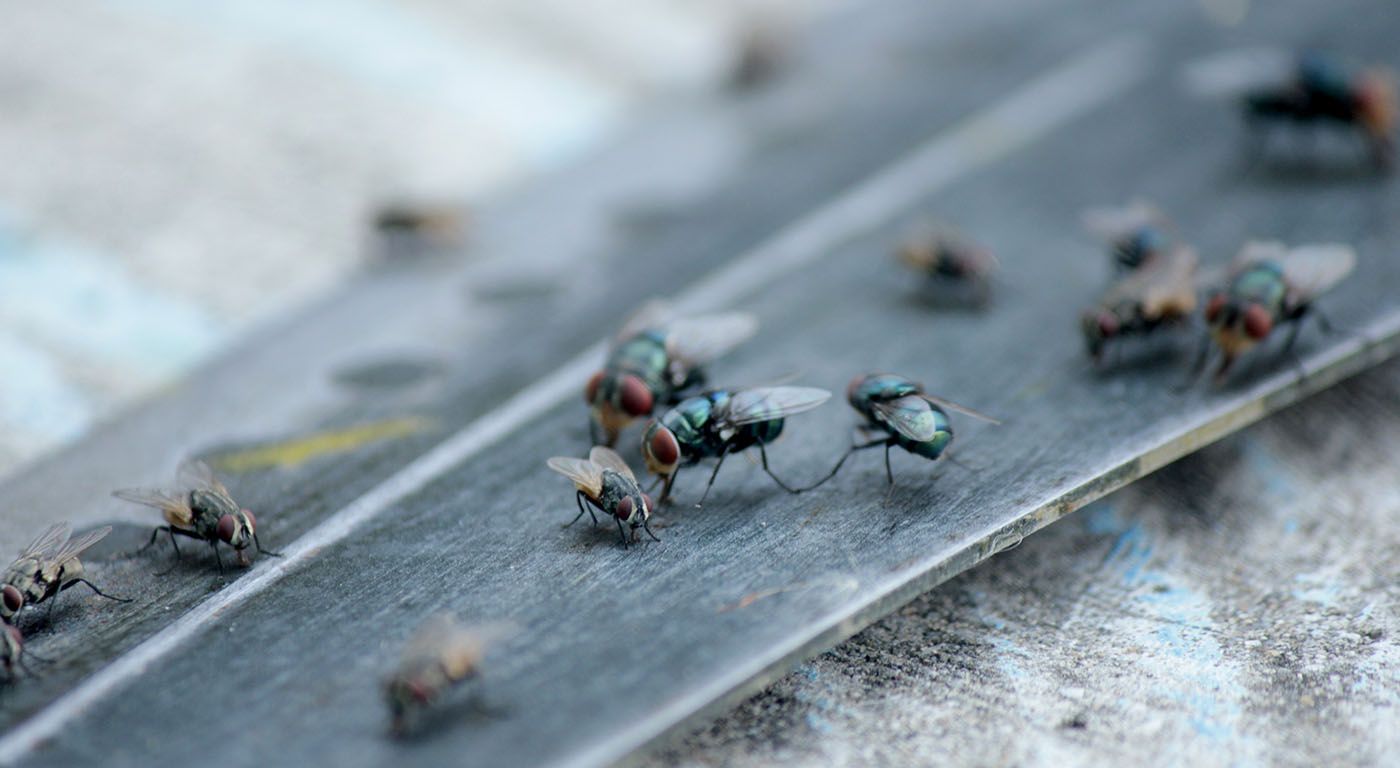
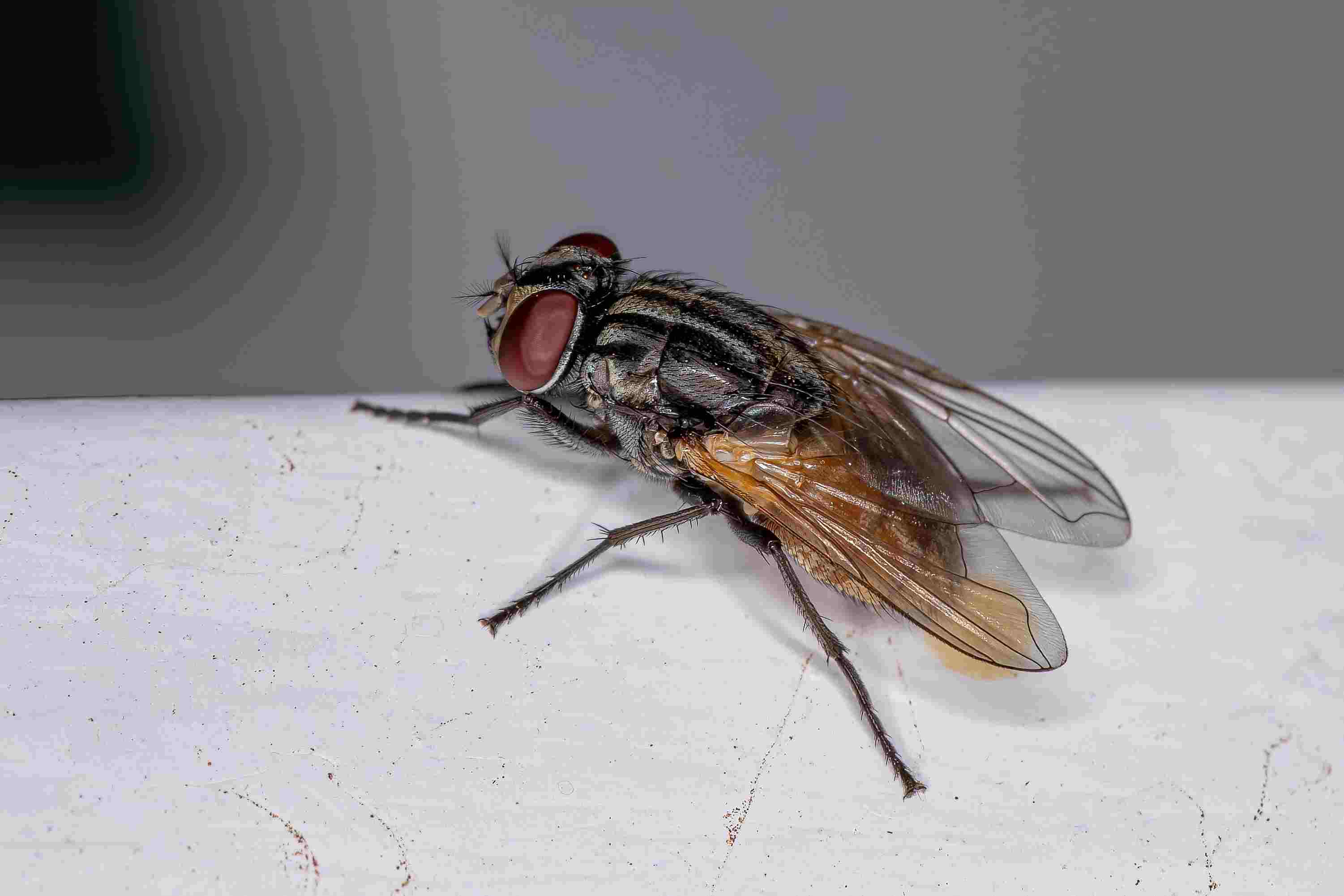
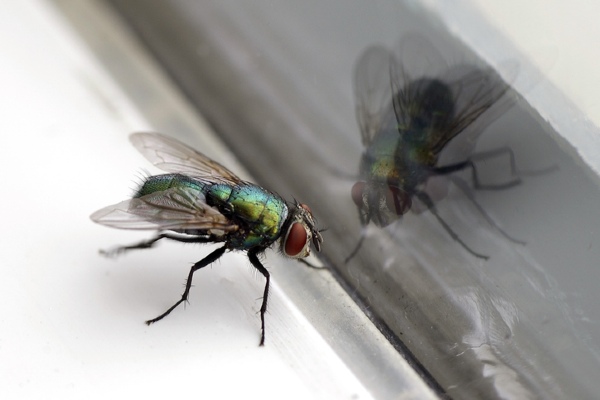
From fruit flies to gnats, flies are some of the most common pests in the United States. Nobody ever wants to deal with a fly infestation, but if the worst comes to pass, you'll want to know how to handle it. An unaddressed infestation can lead to food contamination and major health risks, so here's what you should know about identifying and handling the different kinds of flies that can invade your home.
What's causing my fly infestation?
Some of the primary causes of flies in the house include:
- Poor sanitation: Food waste, uncovered garbage, and pet waste provide ideal breeding grounds for many types of flies.
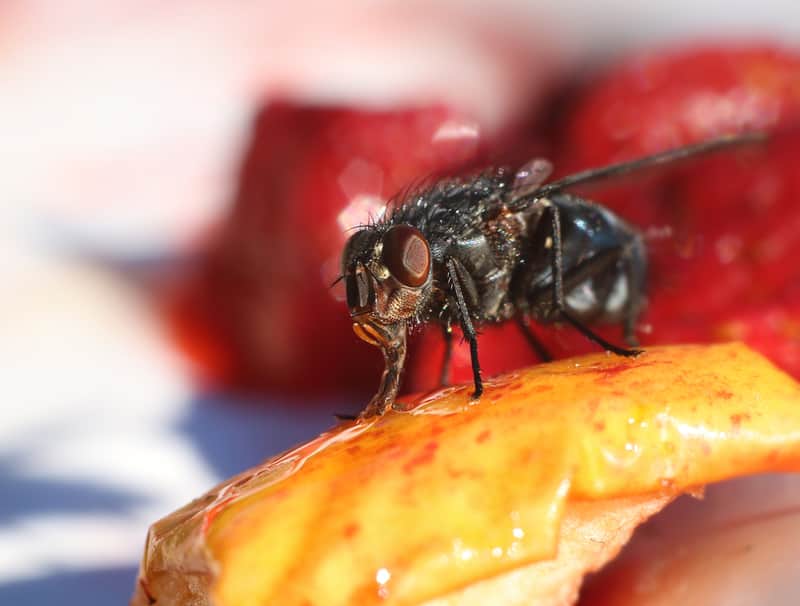
- Organic matter: Flies, especially house and fruit flies, are drawn to decaying organic matter. Rotting fruits and vegetables or fermenting goods can serve as both breeding grounds and food sources.
- Moisture: Flies, especially gnats, prefer damp environments in warmer temperatures. Standing water and leaky pipes can attract these pests and be ideal egg-laying spots.
- Entry points: Open doors and windows are easy entry points for flies. Once they're inside, they can seek out ideal food sources or breeding grounds, leading to a full-blown infestation.
If you're trying to find the source of an infestation, your first step should be to investigate common breeding grounds to find where the flies are laying their eggs. The eggs are usually white or gray and can resemble small grains of rice.
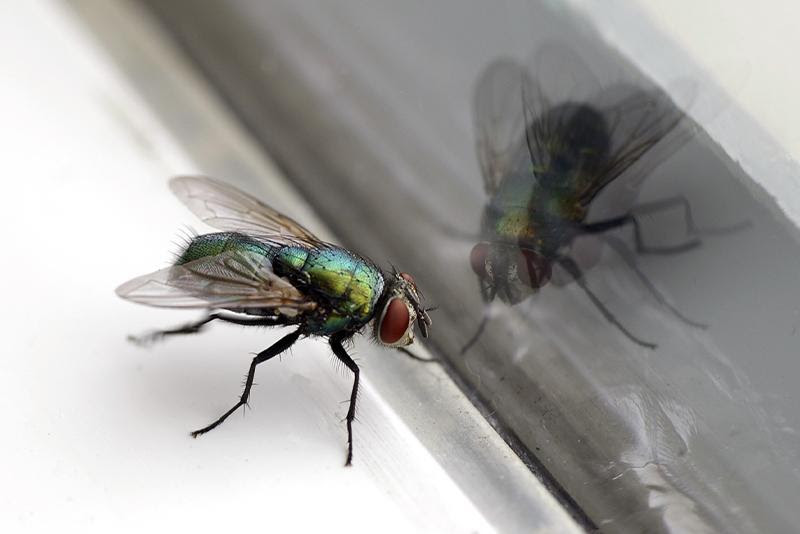
Some of the more common flies that invade homes—fruit flies, house flies, and gnats—may be attracted to different things, but generally they are all drawn to decaying organic matter and moisture.
How do I target my fly infestation?
The treatment method that will work best against your fly infestation will depend on what's causing it in the first place.
- Poor sanitation: If flies are in your house because waste is left out or garbage is uncovered, you'll need to clean up and sanitize infested areas to target the infestation.
- Organic matter: Remove all decaying organic matter from your home, seal compost bins securely, and clean up pet waste, sugary spills, or fermented waste. This is especially important for dealing with house and fruit flies.
- Moisture: Eliminate standing water, fix leaky pipes, and flush out breeding areas using boiling water and baking soda. This is one of the best ways to target drain flies, a type of gnat.
- Entry points: Seal up any gaps or cracks that flies may be using to enter, and install screens on your windows if you haven't already.
Some more measures you can take to get rid of flies in the house include:
- Traps: Baited fly traps, homemade vinegar and soap traps, sticky fly traps, or light traps can all be effective ways of dealing with an infestation.
- Sprays and repellents: Insecticides or natural repellents (such as essential oils) can be used directly on flies to kill them—just be careful when using chemical sprays.
- Prevention: Taking preventative measures can help stop flies from becoming an issue again in the future.
How long will a fly infestation last?
Depending on what type of fly you're dealing with, the length of the infestation can span anywhere from several weeks to a full year. However, if you're being proactive in eliminating them, then it can take anywhere from a few days to a few weeks to be rid of them.
Flies tend to have short lifespans and rapid reproductive rates, which can make it easy for their populations to escalate quickly. That's why it's important to act as soon as you notice you have a fly problem.
How can I prevent flies from coming back?
Once you've dealt with flies in your house, you'll want to make sure they don't come back—to that end, here are some preventative measures you can take to keep flies out:
- Clean regularly and thoroughly
- Dispose of waste securely
- Keep your yard tidy
- Maintain your drains and plumbing
If you're dealing with a serious pest infestation, it might be time to consider employing pest control experts. At Terminix, our professionals are dedicated to protecting your home with targeted treatments and reliable service—so get in contact today.