

How to help prevent termites when building a new house
Content Updated: March 10th, 2026
Key Takeaways:
Preventative termite treatments during new construction can help protect homes from costly termite damage before it occurs.
Even with pretreatments, regular termite inspections are essential to help catch early signs of infestation and identify potential entry points.
Subterranean termites can cause structural damage by feeding on wood and cellulose, threatening foundations, walls, and support beams.
Treatment options such as soil applications, baiting systems, and termite-resistant materials help create long-lasting protection and reduce the risk of infestation.
Jump to section:
Whether you're building your dream home from scratch or expanding your existing one, taking steps to prevent termites during new construction is crucial. Unlike battling an established infestation later, new construction termite treatments are designed to help prevent termites from becoming an issue in the first place.
Termite damage isn’t typically covered by standard homeowners insurance because it’s considered preventable, leaving you responsible for repairs and treatment costs. Homeowners may spend several thousand dollars repairing termite damage, making investing in prevention a much more cost-effective option. Protect your investment from the start with Terminix professional termite control services.

Before construction: termite pretreatment
When it comes to protecting your future home, termite pretreatment is an essential step that shouldn't be overlooked. A termite pretreatment for construction can help establish a strong line of defense against these destructive pests before the foundation is even laid.
Here are some pretreatment options we use to help prevent termites:
- Pretreatment: A termiticide is applied to the soil before the foundation is poured, creating a treated barrier against termites from entering the structure.
- Termiticide bait treatments: Bait systems may be installed around the perimeter of a new build to intercept foraging termites, which feed on the bait and carry it back to the colony, helping to eliminate both the termites and the colony.
- Wood treatments: Solutions are applied to wooden structures during construction to help deter termites and reduce the risk of future infestations by making the wood less appealing to them.
Termite treatment during construction
Building a new home is an exciting milestone, but the construction phase can also make it more vulnerable to pests. Exposed wood, soil contact, and open access points can attract termites, ants, and rodents before the home is even finished.
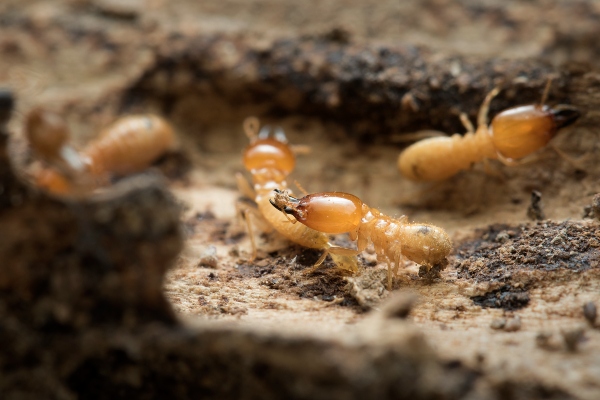
New construction termite treatments are effective against subterranean termites, the most common and destructive termite species in many parts of the United States. These termites live in the soil and enter homes from below. By addressing termite risks during construction, you're not only keeping these unwanted pests out from the start, but you're also setting your home up for long-term protection.
Treat the ground and soil
During excavation, termite soil treatments for new construction can be applied to the ground where the foundation will be poured, creating a treated barrier that helps prevent termites from entering the structure. This process typically involves applying a liquid termiticide to the soil around footings, slabs, and other foundation areas to help stop termites from migrating into the home.
Limit soil-to-wood contact
Limiting direct contact between wood and soil is a small step that can have a big impact in reducing the risk of termite activity during construction. This can be done by using proper foundation barriers, installing concrete or metal supports, and ensuring wooden structures are elevated and separated from the ground.
It's also important to remove any wood scraps, paper, cardboard, or other cellulose-based debris from the construction area. These materials could attract termites and give them easy access to food sources.

Use termite-resistant materials
While traditional new construction termite treatments like soil applications are crucial, using termite-resistant materials during construction helps add another layer of protection. Opting for pressure-treated or termite-resistant wood and steel framing helps make the structure less appealing to termites, as treated wood contains preservatives that deter feeding, and steel provides no food source at all.
Ensure proper ventilation and drainage
Certain termite species thrive in damp environments, so proper moisture control during construction is vital to help prevent infestations. Make sure the foundation slopes away from the home to direct water outward, and install gutters and downspouts to move rainwater away from the structure.
Protect your crawl space
While new construction termite treatments tend to focus on treated barriers around the foundation, protecting your crawl space is also important. Builders can incorporate several preventative measures during construction, such as vapor barriers to control moisture and adequate ventilation with screened crawl space vents.
Is termite treatment required for new construction?
Requirements for termite treatments during new construction can vary by location. The U.S. Department of Housing and Urban Development (HUD) requires preventative termite treatment for new builds in 34 states due to elevated termite risk.1 Many other states and local jurisdictions have similar regulations, though some may allow exceptions for certain construction types, such as steel or concrete structures.
Because building codes can differ at the state, county, or even city level, it's important to review local requirements before construction begins. If you're unsure whether a termite treatment was completed when your home was built, or if you want to confirm that your home is properly protected, contact the experts at Terminix for a professional inspection.
Get a termite inspection in your new home
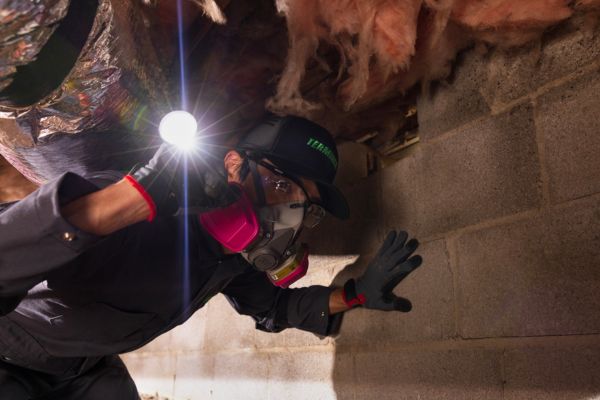
Even if you've had termite treatments, it's still best to schedule annual termite inspections. A qualified termite control professional can examine your home for any signs of infestation, identify potential entry points, and catch early activity before termites can cause damage.
Schedule a free termite inspection with Terminix today and take the first step in protecting your home against these silent destroyers.

Frequently Asked Termite Prevention and Treatment Questions
Preventative termite treatments are a smart investment. While the upfront cost of termite treatment may seem high, the expenses associated with termite damage can be far greater, and are often not covered by standard home insurance, since most policies exclude termite damage. Understanding termite treatment costs in advance can help homeowners weigh the benefits of prevention against the potentially steep repair bills that can result from an active infestation.
Trying to handle termite problems on your own is not recommended. DIY termite solutions lack the effectiveness of professional-grade termiticides and proven techniques, resulting in incomplete eradication of the pest. Without expert knowledge, homeowners may overlook critical entry points or early signs of infestation.
Yes. If left unchecked, subterranean termites can cause significant damage by feeding on wood and other cellulose materials, potentially compromising foundations, walls, and support beams. Investing in professional termite treatment helps protect your home and maintain its structural integrity.
1 Information on new construction termite treatment requirements is sourced from the U.S. Department of Housing and Urban Development (HUD)..