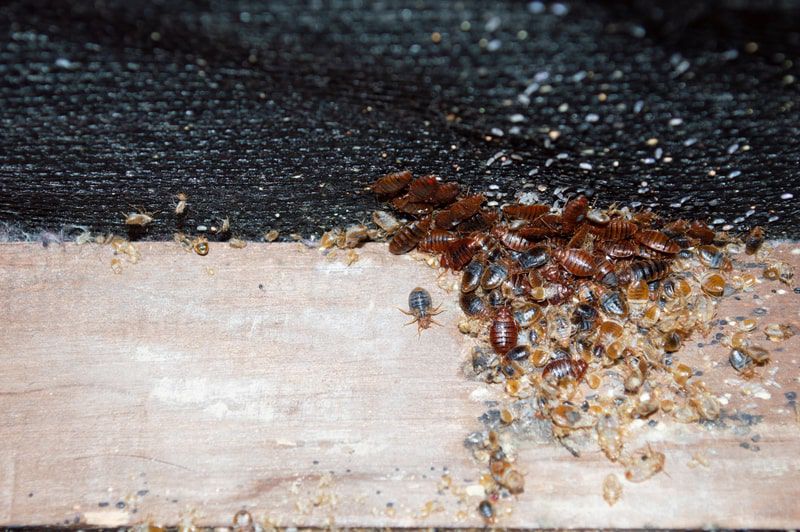
Bed Bugs
The bed bug life cycle
Content Updated: September 15, 2025
Key takeaways
- Bed bugs are small insects that require blood to reproduce, with a preference for feeding on humans.
- Bed bugs go through multiple stages before reaching adulthood in a process known as simple metamorphosis.
- Bed bugs start as eggs before hatching into nymphs and developing into adults.
- On average, bed bugs live for up to 10 months, but some can live up to a year.
- Professional pest control services are recommended for dealing with bed bugs, especially in cases of severe infestation.
Jump to section:
- What is the life cycle of a bed bug?
- How long can bed bugs live?
- Break the bed bug cycle with Terminix
Bed bugs are small, blood-feeding insects that go through multiple stages of development as they mature. After hatching from their egg, a bed bug goes through several immature or “nymph” stages before becoming an adult. This process is known as simple metamorphosis.
Each stage has unique traits and vulnerabilities, making it vital to recognize the differences so targeted treatments can be effectively employed. Here's what you should know about the bed bug life cycle.
What is the life cycle of a bed bug?
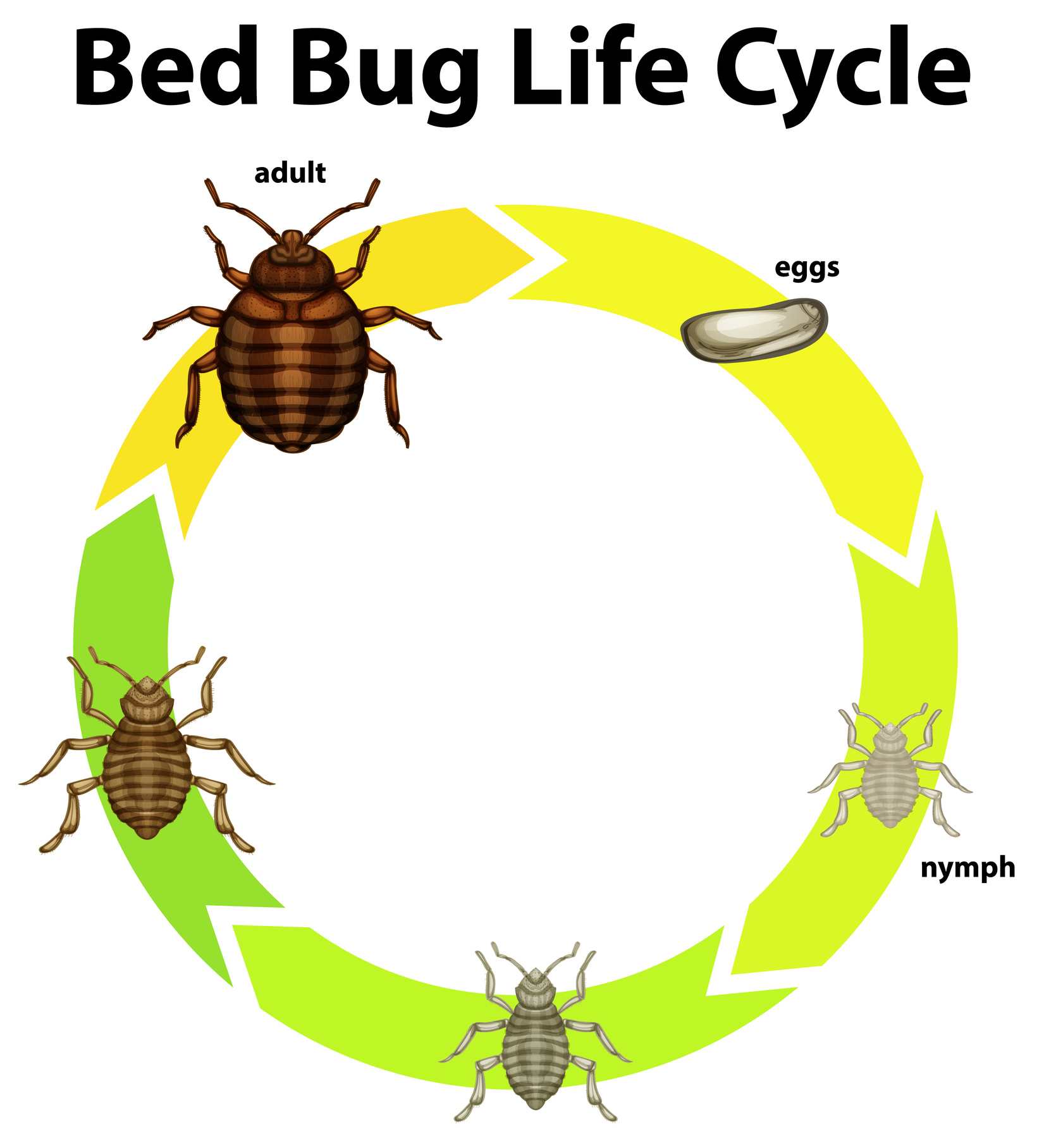
Metamorphosis is the process by which animals develop from their juvenile form into adults. For bed bugs, which undergo simple metamorphosis, this involves three main stages: egg, nymph, and adult.
Ideal conditions can speed up the reproduction and development of bed bugs. A bed bug can go from an egg to its adult stage in approximately 21 days when there's a good food source and warmer temperatures. On the other hand, it can take over four months for the same process to occur in cooler temperatures, and even longer if there's no steady supply of blood.
Bed bug eggs
The first stage of a bed bug's life is the egg stage. Bed bug eggs are spherical and extremely small, reaching only around one millimeter in size—the same as a mustard seed. They're also an opaque, whitish color.
A female bed bug lays eggs in groups of 1-50, and they take anywhere from 6-17 days to hatch. By the time she dies, a female will have laid hundreds of eggs. Ideal locations for laying eggs include:
- Mattresses: The seams and folds of mattresses provide both safety and easy access to their food source.
- Cracks and crevices: Dark, undisturbed areas such as cracks in walls, baseboards, and floorboards protect bed bugs and their eggs from light and other disruptions.
- Furniture: The crevices and seams of upholstered furniture are ideal egg-laying spots for bed bugs.
If you spot bed bug eggs, it's best to act right away so you can prevent an infestation from escalating. Here are some steps you should take as soon as possible:
- Clean the area: Declutter your home, vacuum thoroughly, and wash anything that's been infested with hot water.
- Seal vacuum bags: If possible, dispose of vacuum bag contents in sealed bags to prevent reinfestation.
- Steam clean: For anything that can't be washed, the high temperatures from steam cleaning can kill eggs on contact.
- Use bed bug egg treatments: Certain insecticides can have an impact on bed bug eggs. Be sure to follow guidelines and instructions carefully.
- Consider professional help: If the infestation is severe, expert pest control services may be needed.
Bed bug nymphs
After hatching, developing juvenile bed bugs, or immature bed bugs, are called “nymphs." As nymphs—which are not to be mistaken for larvae, a stage of life bed bugs do not experience—bed bugs have five instars, or five phases between molts.
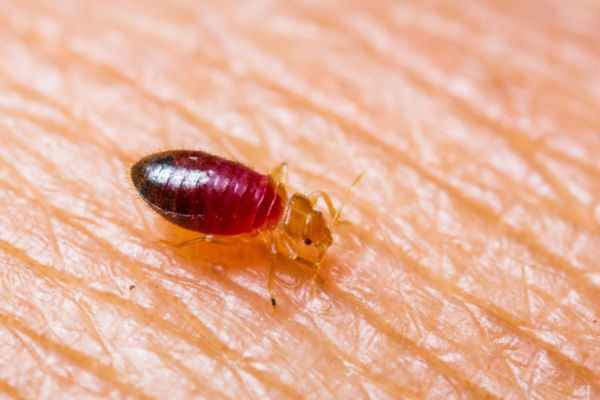
Bed bug nymphs look like smaller versions of their adult counterparts with flat, apple-seed-shaped bodies. Throughout each of the five nymph instars, a bed bug will:
- Consume a blood meal to grow.
- Shed its exoskeleton.
- Gradually mature and grow about half a millimeter with each feeding and subsequent molt.
Under proper conditions, each stage takes roughly one week to complete. Bed bugs start life at approximately one and a half millimeters and grow to about four and a half millimeters.
While a nymph won't advance to the next stage without a blood meal, this doesn't mean it will die. They primarily feed off of people, but that won't stop them from biting other animals, including dogs, cats, rodents, and chickens.
Bed bug nymphs can represent a large number of the total bed bug population in an established infestation. Here's what to keep in mind when trying to spot bed bugs in the nymph stage:
- Nymphs are smaller. Though nymphs and adult bed bugs have similar shapes, nymphs can be more difficult to spot due to their smaller size.
- Nymphs and eggs are nearly colorless. While adults have color, bed bug nymphs can more easily blend in, especially on light-colored bed sheets and carpets.
- Nymphs darken as they mature. After feeding, a nymph might be easier to spot as it may take on red coloration.
- A nymph needs to molt five times. Evidence of bed bugs in your home can be found in the form of shed exoskeletons—there'll be five for each nymph that reaches adulthood.
Bed bug adults
A bed bug can attain its adult form in as little as 37 days. When fully matured, an adult bed bug is roughly the size of an apple seed, between four and five millimeters long.
Once a bed bug reaches the adult stage, it can reproduce, increasing its ranks exponentially in a short amount of time. A female bed bug can lay between three and eight eggs per week, and over 300 eggs in a lifetime. Those eggs can hatch within 10 days, causing the cycle to begin again for a new generation of bed bugs.
Under optimal conditions, an adult bed bug will have a blood meal every 7 to 10 days, all the while mating and producing more bed bugs.
How long can bed bugs live?
As far as insect life spans go, bed bugs live longer than many, tapping out at around the 10-month marker. And while that 10-month window is true for most, some bed bugs can live for as long as a year.
How long can bed bugs live without feeding?
Bed bugs have different feeding requirements depending on their stage of life. Younger nymphs can survive for a few weeks without feeding, while older nymphs and adults can last for months.
Notably, adult bed bugs have been known to go without blood for up to a year. This capacity for survival comes from their ability to lower their metabolic rate—effectively going dormant when food is scarce—and adults are the most resilient.
When living in ideal conditions, bed bugs will try to feed at regular intervals. Once a bed bug settles on a host, it will feed for a few minutes. The exact length of feeding depends on:
- The stage of development
- How much it ate the last time it fed
- How long it's been since it last fed
After the bed bug is full, it will leave the host and return to a crack or crevice, where there'll typically be other bed bugs gathered.
Bed bugs usually feed every three to seven days, which means that most of their time is spent digesting, rather than actively feeding. However, because bed bug infestations can spread so rapidly, it can often feel like you are waking up with new bites every morning. This can lead to high stress levels and a lack of sleep.
Break the bed bug cycle with Terminix
The average bed bug life cycle isn't very long, but they do lead active lives, which include aggressive mating. If you think you may have signs of bed bugs, contact a pest management professional immediately. Some signs to keep an eye out for include:
- Bites: Although bed bug bites are similar to other insect bites, such as mosquito bites, they are unique in that they sometimes appear in groupings of three to five in a zigzag pattern.
- Dark spots or rust-colored stains: After a bed bug has finished feeding, its body will be swollen with blood that will leak if it is crushed.
- Molted skins or eggs: Spotting nymph molts or bed bug eggs is a sure sign that bed bugs are in your home.
If you suspect bed bugs in your home, get a free inspection from Terminix today.