Bug Facts
Identify woodlouse spiders in your house
Content Updated: September 3, 2025
Dysdera crocata, also known as the woodlouse spider or woodlouse hunter spiders, is a species of spider commonly found in most of North America. Though these pests are not dangerous to humans, like the brown recluse and black widow, they have been known to use their sharp mouthparts to bite human skin and cause slight irritation to the surface. Needless to say, finding woodlouse spiders in the house can be less than ideal. But how do you identify a woodlouse spider in your house?
What do woodlouse spiders look like?
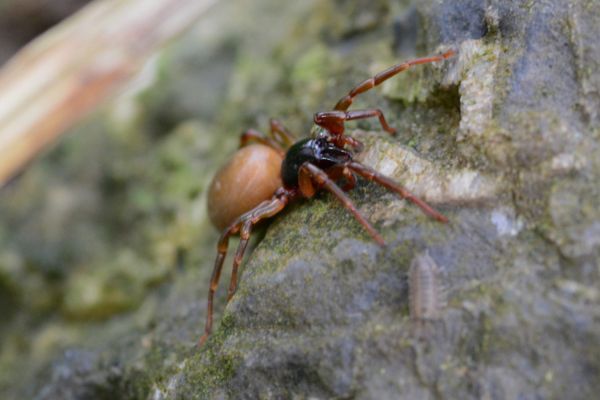
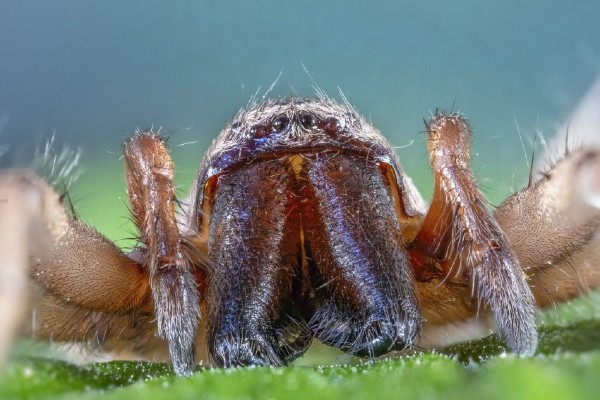
Though they may be less harmful than other venomous spiders, woodlouse spiders can have a very menacing appearance. Below their six eyes, these pests have prominent fangs that they use to attack their prey while hunting at night.
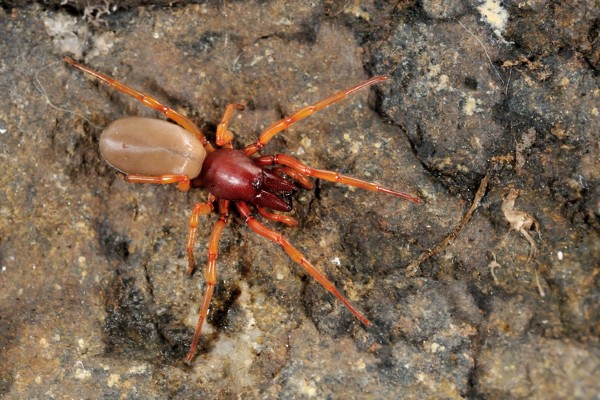
Instead of the typical dark brown or black body that is common to many spiders, woodlouse hunter spiders have a dark red or orange body offset by a grayish-white abdomen. Adult woodlouse spiders can range in size, with the females measuring approximately a half-inch, and the males measuring just over one-quarter inch long. Both sexes of woodlouse spiders have eight long, spindly legs that maintain a reddish-orange tinge.
Woodlouse spiders vs. brown recluse spiders
Although they may seem similar, there are many key differences that can help identify woodlouse and brown recluse spiders. As stated above, woodlouse spiders have a dark red or orange body and long legs, while brown recluse spiders have a light brown color and a violin-shaped marking on their back. Additionally, the brown recluse has six eyes, while woodlouse spiders have eight. In terms of behavior, woodlouse spiders are active hunters that do not spin webs, whereas brown recluses are known for their reclusive nature and will often hide in undisturbed areas.
Woodlouse spider behavior
Like their name implies, woodlouse hunter spiders are hunters and do not construct webs like many other spider species. Instead, they actively hunt their prey, primarily focusing on woodlice, which include sowbugs and pillbugs, also known as “roly-polys.” They use their powerful fangs to bite through the hard exoskeletons of their prey, injecting the land crustaceans with a venom that kills the insects. They also play a crucial role in controlling pest populations, which can be beneficial to gardens and agricultural areas.
During the day, woodlouse spiders rest underneath wood and clutter, instead of on a complex web. Because these pests prefer to feed on woodlice, they primarily inhabit areas with damp, rotting wood. They are also known to inhabit spaces underneath rocks or other debris found in nature, like woodpiles, mulch, bark, and thick plants. However, when these pests infest homes, they tend to gravitate toward basements or underneath floorboards in any other room. They tend to enter the house through doors and windows and typically favor homes that have a high level of humidity. In the right conditions, these spiders can live up to three years.
Do woodlouse spiders bite? Are they dangerous?
Woodlouse spiders are venomous, but their venom is generally not harmful to humans or pets. They may bite if provoked, causing mild irritation, similar to a mosquito bite.
These spiders are often a welcome visitor for gardeners and farmers who need help removing small insects, as these spiders do not feed on any vegetation. Still, the presence of woodlouse spiders in your house can certainly be alarming. If you do receive a bite from a spider in your home, it’s best to contact a medical professional immediately.
Why do woodlouse spiders infest homes?
Though woodlouse hunter spiders may be found indoors, homes are typically only used as overwintering sites. For homeowners living in the Northeastern and Midwestern United States, these pests may appear as early as October and leave as late as April. Those living in the Pacific Northwest may be less likely to host these spiders, though they can still appear during the winter or if their natural habitats have been otherwise compromised.
How to help keep woodlouse spiders out of your house
No matter how beneficial these pests are, it’s unlikely you want a family of woodlouse spiders living inside your home. For help removing these pests from your home, give Terminix a call today.
In the meantime, here's how you can help prevent woodlouse spiders from entering your home:
- Reduce moisture in and around your house, and fix any leaks.
- Make sure damp areas like basements are properly ventilated. Using a dehumidifier can help.
- Seal cracks and gaps in walls, doors, and windows to eliminate potential entry points.
- Clear away leaf litter, woodpiles, and other debris near your home’s foundation.
- Contact Terminix for spider control services.
If you’re seeing spiders in or around your home, our ongoing pest control plans are here to help! Our PestFree365 plans include an interior and exterior inspection and regularly scheduled treatments that can help prevent and remove spiders. Our PestFree365 plan offers protection from 25 common household pests,1 while our PestFree365+ plan offers protection from 14 additional pests.2 Schedule your inspection today!
1Coverage includes: "House" Ants, Bird Mites, Indoor Ticks, Cockroaches, Carpet Beetles, Fabric Moths, Overwintering Insects, Ground Beetles, Centipedes, Crickets, Earwigs, Firebrats, Millipedes, Clover Mites, Pillbugs/Sowbugs, Psocids, Scorpions, Silverfish, Paper Wasps, Springtails, Spiders, Stored Product Beetles, Stored Product Moths, Mice, and Rats.
2Coverage includes: Black Widow Spiders, Brown Recluse Spiders, Voles (interior only), Bed Bugs, Fleas (interior only), Bumble Bees, Carpenter Bees, Solitary Ground Bees, Yellowjackets, Hornets, Baldfaced Hornets, Crazy Ants, Carpenter Ants, and Fire Ants.